- The London & Valley Water (L&VW) consortium has offered the government a “golden share” in a last-ditch attempt to prevent nationalisation of Thames Water, Britain's largest water company.
- The golden share would grant the government a veto over important decisions and hostile takeovers, enhancing public control over Thames Water.
- In his first speech as Prime Minister, Andy Burnham emphasized the need for greater public control over “life's essentials”, which includes water services.
- The government recently rejected a previous £10bn rescue proposal, prompting the L&VW consortium to enhance their offer.
- The new proposal includes commitments from L&VW to not take dividends for 10 years and to expand Thames Water's social tariff to assist struggling households.
- Fears of Thames Water's potential collapse emerged three years ago, and the company has recently warned it could run out of cash by November.
- Last year, Thames Water was fined a record £122.7m by Ofwat for breaching regulations related to sewage spills and shareholder payouts.
Lenders of Thames Water, led by the London & Valley Water (L&VW) consortium, have proposed a 'golden share' to the government to avert nationalisation amid financial turmoil.12
The £10 billion rescue package aims to provide the government with veto power over critical decisions, enhancing local authority involvement.
“L&VW agrees that there is an opportunity to enhance the way local government, regulators and Thames Water work together,” the consortium stated, emphasizing shared accountability.
The proposal follows Prime Minister Andy Burnham's push for greater public control over essential services, with reports suggesting he may place Thames Water into a special administration regime.3
“The consortium is willing to make significant new commitments to grant greater controls and oversight to ministers,” they added.
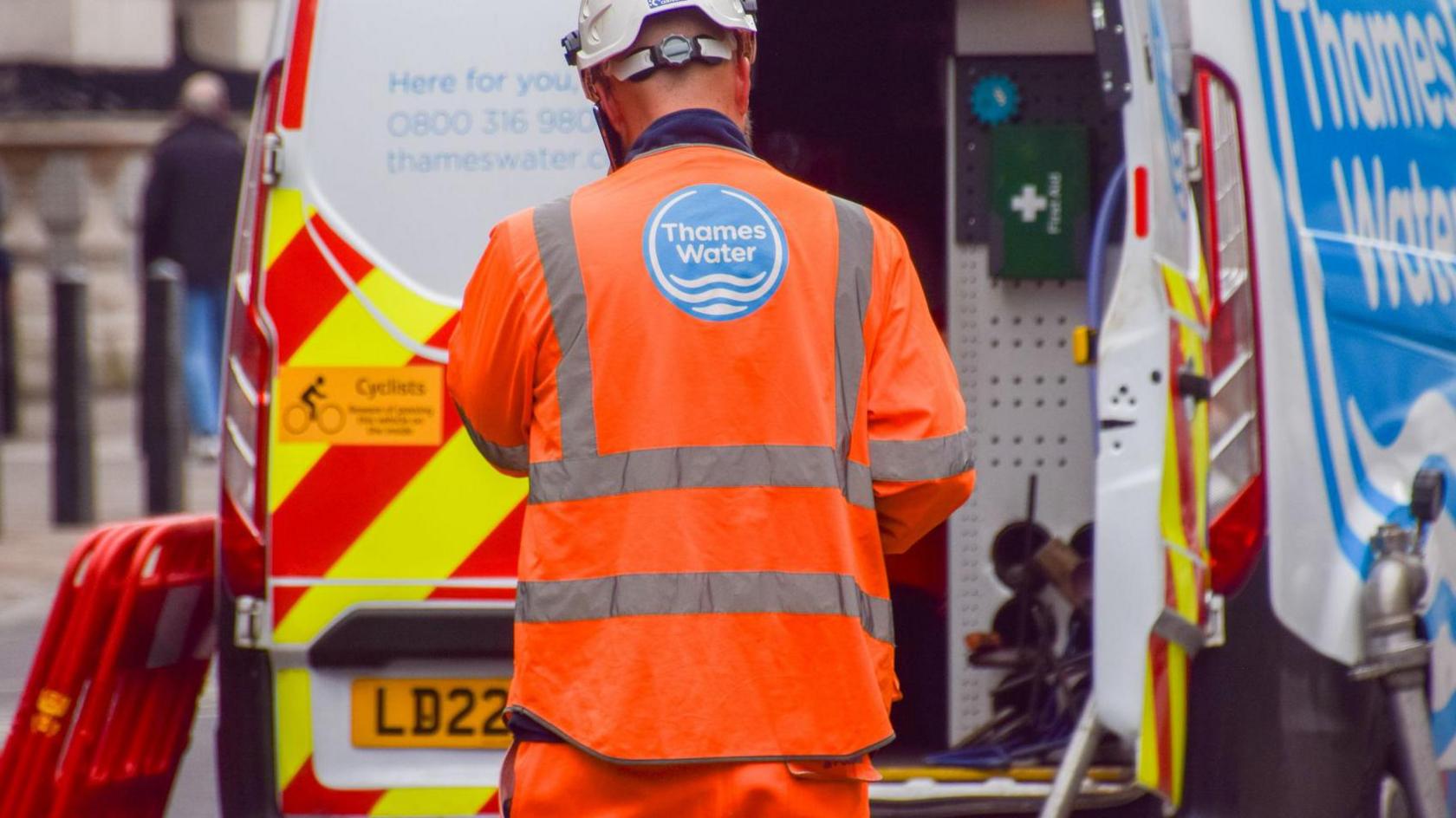
The deal includes a commitment from investors to forgo dividends for 10 years and expand social tariffs to assist struggling households.5
“We continue to believe that the L&VW plan is by far the fastest and most reliable route to solving Thames Water's complex problems,” a spokesperson remarked.
With Thames Water facing a £122.7 million fine for regulatory breaches and warnings of potential cash shortages, the lenders' offer aims to prevent a costly nationalisation that could burden taxpayers with a £2 billion bill.
Sources indicate that the new proposal includes hundreds of millions in additional funding, enhancing its attractiveness to the government.
“The London & Valley Water consortium of 100 investors holding £17bn debt offered a £10bn rescue package that includes a 10-year dividend ban and expanded social tariffs. Creditors warn nationalisation could cost taxpayers £2bn under a special administration regime, while the government recently rejected a prior rescue plan.”

 The Guardian



