- Thames Water has implemented a hosepipe ban affecting about 10 million homes and businesses in London and the South East.
- The ban, also known as a temporary use ban (Tub), is due to a combination of higher than normal demand for water and prolonged dry weather.
- 23 million people across England are now under or facing restrictions, with some areas one stage away from official drought status.
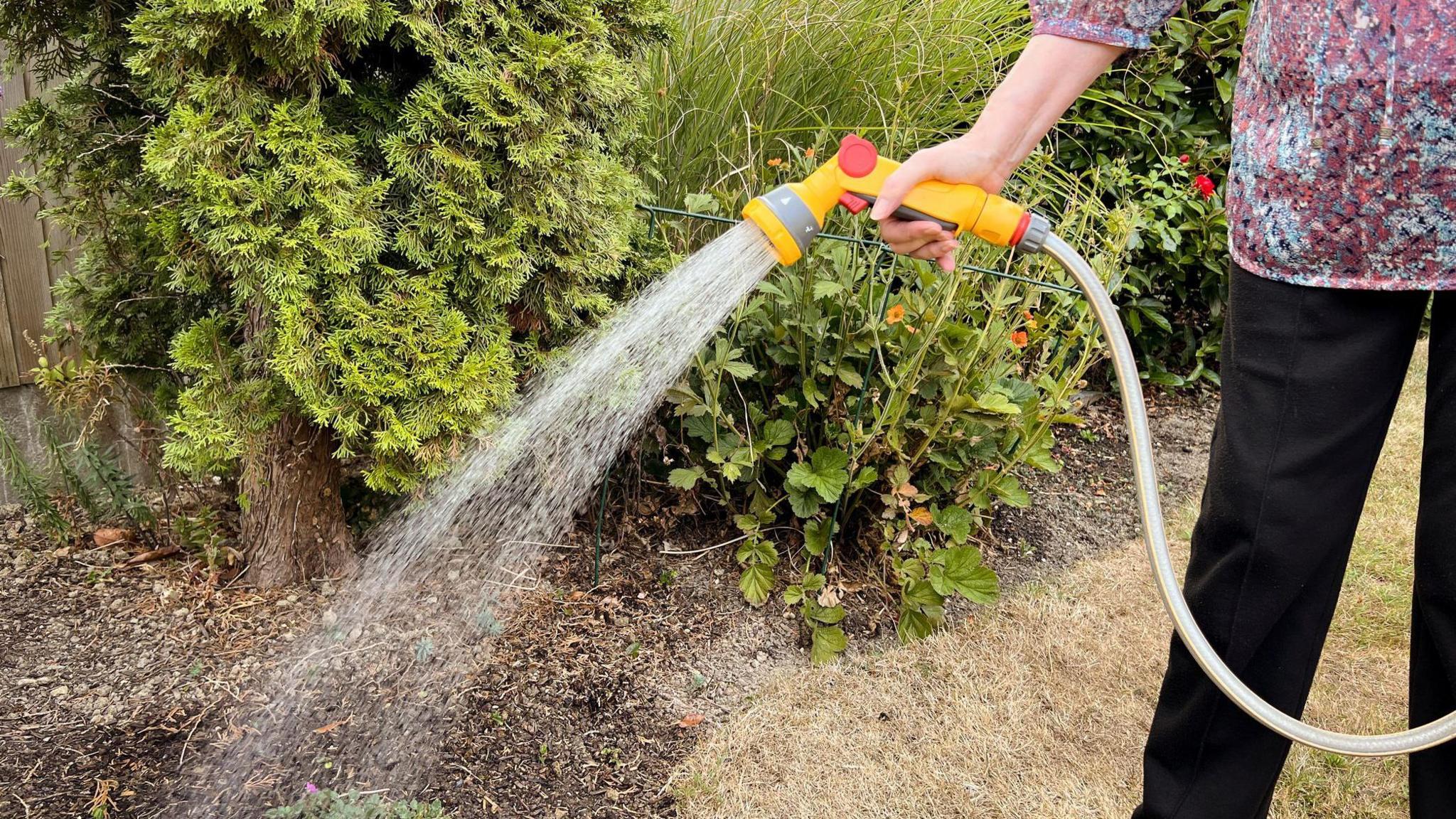
- The ban prohibits the use of hosepipes for watering gardens, cleaning cars, filling paddling pools, and cleaning windows.
- Thames Water has reported that its region has seen only 40% of the usual average rainfall for this time of year, with temperatures frequently at or above 34°C.
- Six reservoirs are currently classified as having notably low levels, including Wimbleball in Somerset and Hanningfield in Essex.
- Thames Water is grappling with debts of about £20 billion, and a recent government decision ruled out a proposed rescue package.
Thames Water has enforced a hosepipe ban for 10.1 million customers in London and the South East, citing prolonged dry weather and a 40% drop in average rainfall this year. The ban prohibits the use of hosepipes for watering gardens, cleaning cars, and filling pools.123679
According to Nevil Muncaster, director of strategic water resources at Thames Water, the utility is facing 10% higher water demand in the Thames Valley and Home Counties, and 7% higher in London, leading to an additional 100 million litres of water used daily. He stated, “We would not be taking this step unless it was necessary to protect water supplies for everyone and the environment.”
The Environment Agency has declared prolonged dry weather across several regions, with only 13% of rivers at normal levels. Thames Water's region has not seen rain since June 27, and six reservoirs are reported to have notably low levels.8
Critics, including James Wallace from River Action, have condemned the ban as “outrageous,” citing Thames Water's 570 million litres of treated water lost daily due to leaks. Muncaster responded, stating they are investing £20 billion over five years to address infrastructure issues and reduce leaks. The company will not actively enforce the ban but trusts customers to comply responsibly.
Thames Water has confirmed that compensation or bill reductions do not apply during hosepipe bans, and Muncaster emphasized, “It’s not something that we want on, but it’s something that we think is the right thing to do at this time.”
“Failing to stick to the ban could result in a £1,000 fine, though Thames Water says it will trust customers and not patrol for enforcement. Separately, campaign group River Action called the ban "outrageous," citing 570 million litres lost daily to leaks, prompting Thames Water to defend its £20bn investment plan to reduce leaks.”
 London Evening Standard



