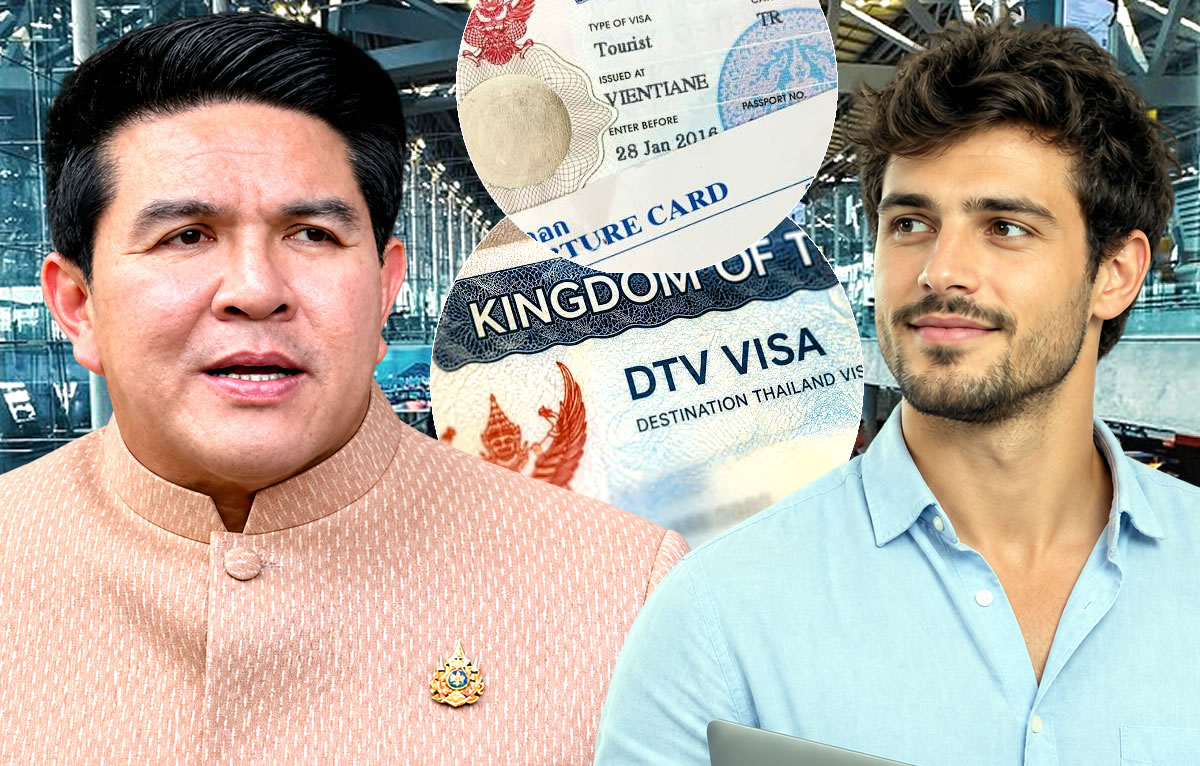
- From 15 September 2026, visa-free stays for visitors from 60 countries and territories including India, the US, UK, Australia, Canada, UAE, Japan and several European nations will drop from 60 days to 30 days.
- Those who arrive on or before 14 September will keep the 60-day permission granted at entry; anyone landing from 15 September onward gets a maximum of 30 days.
- For longer stays, travellers can apply for the Destination Thailand Visa (DTV) or a 30-day extension.
- Indian passport holders and other eligible travellers can still enter without applying for a tourist visa in advance.
- The move aims to curb misuse of long visa-free stays for illegal work or other non-tourism activities while keeping the door open for genuine holidaymakers.
- For most travellers, 30 days still offers ample time to hop between Bangkok’s vibrant markets, Phuket’s beaches, Chiang Mai’s mountains, Krabi’s islands or Pattaya’s nightlife.
- The new rule is unlikely to affect the typical week-long or two-week holiday, but it matters for travellers planning extended backpacking trips, work-related stays, island-hopping itineraries or slow travel across multiple Thai destinations.
- Travellers who enter Thailand before September 15 under the existing 60-day exemption will not suddenly have their permitted stay cut short; they can remain for the period granted to them when they entered the country.
- Indian tourists arriving on or after September 15 can continue to travel visa-free for tourism, but those planning an extended stay will need to look at the appropriate visa option instead.
Thailand will cut visa-free stays for visitors from 60 countries, including India, from 60 days to 30 days starting September 15, 2026.127910
Indian passport holders and other eligible travellers can still enter without applying for a tourist visa in advance.
Those arriving before September 15 will retain their 60-day stay, while anyone landing after that date will be limited to 30 days.
The move aims to curb misuse of long visa-free stays for illegal work or other non-tourism activities while keeping the door open for genuine holidaymakers.
For most travellers, 30 days still offers ample time to explore Thailand's attractions, including Bangkok's markets, Phuket's beaches, and Chiang Mai's mountains.
However, the new rule may impact those planning extended trips, such as backpacking or work-related stays.
For longer stays, travellers can apply for the Destination Thailand Visa (DTV), which allows stays of up to 180 days per visit, or apply for a 30-day extension through a local immigration office.34
Indian tourists arriving on or after September 15 can continue to travel visa-free for tourism, but those planning an extended stay will need to consider appropriate visa options instead.
“The move aims to curb misuse of long visa-free stays for illegal work while keeping the door open for genuine holidaymakers. For longer stays, travellers can opt for the Destination Thailand Visa, a five-year multiple-entry permit allowing up to 180 days per visit, or a 30-day extension via immigration offices.”
 News18