- Tens of thousands of people gathered in soaring temperatures in Hungary’s capital to celebrate the 31st annual Budapest Pride, the first such LGBTQ+ march since former Prime Minister Viktor Orbán was ousted in an April election.
- The march began Saturday afternoon as temperatures reached at least 38°C (100°F) amid a record-breaking heatwave that has gripped most of Europe.
- Saturday’s Pride march came a little more than a year after Orbán’s government passed legislation and a constitutional amendment to outlaw the event, drawing criticism from human rights groups and politicians across the European Union.
- Orbán was defeated in the April election by a center-right challenger, Prime Minister Péter Magyar and his Tisza party.
- Hungary’s new government has not repealed the Orbán-era legislation that outlawed Pride, but police this year authorized the event and were providing security along the route.
- Last year’s Pride acted as a mass expression of defiance of Orbán’s government, which sought to ban the event.
- In April, the EU’s highest court ruled that Orbán-era legislation from 2021 that banned the availability of LGBTQ+ content to minors violates EU law and breaches a foundational treaty guaranteeing respect for human rights and equality.
- Despite the legislation that restricts the presence of LGBTQ+ topics in schools, media, and bookstores, many people are still afraid to be open about who they are.
Tens of thousands gathered in Budapest for the 31st annual Pride march, the first since Viktor Orbán's defeat in April elections. Temperatures soared to 38°C (100°F) as participants celebrated LGBTQ+ rights, despite lingering anti-LGBTQ+ legislation from the previous government.1238
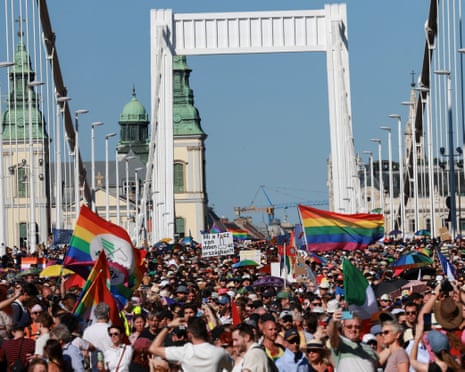
Last year, Orbán's government attempted to ban the event, which drew over 350,000 attendees in defiance, marking it as Hungary's largest Pride. This year, the atmosphere was markedly different, with many feeling a sense of optimism. Fanni Fajth, an 18-year-old student, expressed hope for new rights related to adoption and marriage.6

The new government, led by Prime Minister Péter Magyar, has not yet repealed the restrictive laws, but police authorized the march, providing security along the route. “We feel more freedom personally,” said Mate Tarnai, a 51-year-old chemist, reflecting the change in political climate. “The biggest change is actually the change in politics in the country,” he added.
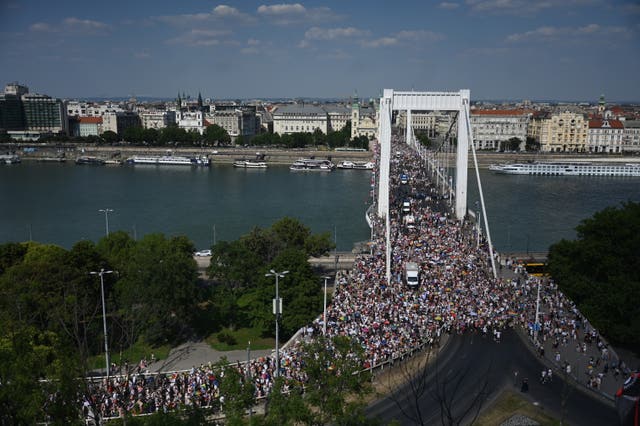
Despite the progress, concerns remain about the safety and acceptance of LGBTQ+ individuals in Hungary. Buzás, an activist, noted that many still fear being open about their identities. The event was not just a celebration but a reminder of the ongoing struggle for equality and acceptance in a country where social stigma persists.
“The 31st annual Budapest Pride saw tens of thousands gather, marking a significant moment following the ousting of Viktor Orbán. Despite the new government's lack of repeal on previous anti-LGBTQ+ legislation, the event symbolizes hope and resilience for the community.”
 AP News
 The Guardian
 Hexham Courant



