- Tehran asserts control over the Strait of Hormuz, stating it is "under Iran's control" following threats from Trump that the U.S. might "keep it."
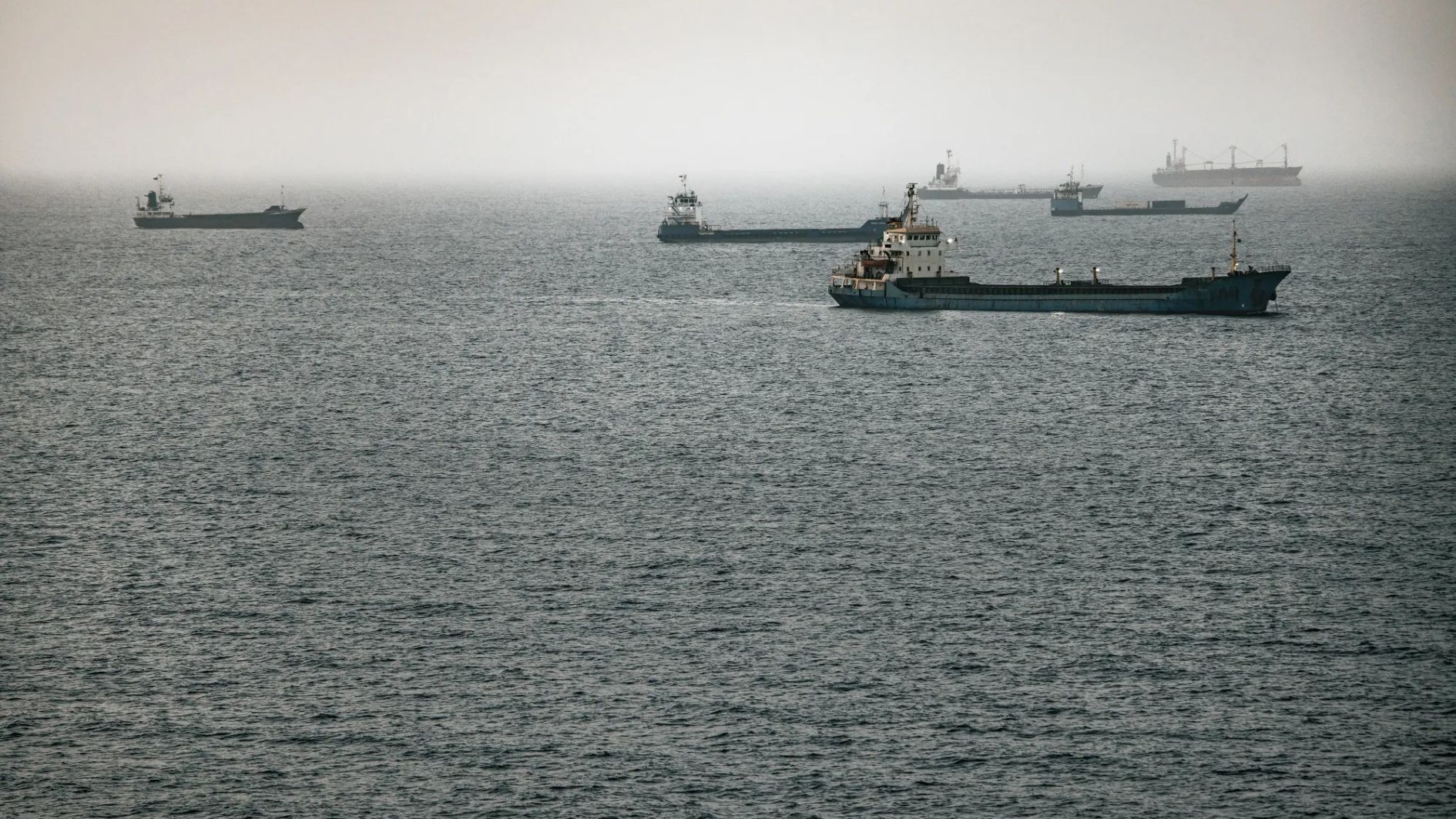
- Traffic in the Strait of Hormuz has significantly decreased, with only eight vessels recorded on Tuesday, marking the lowest daily count since August 5, according to Kpler data.
- Iran's Foreign Ministry spokesperson Esmaeil Baqaei raised concerns about compensation for an oil spill, indicating a foreign bulk carrier as the likely source and citing trillions of dollars in damage.
- Iran and Oman are currently in discussions to establish a new route through the Strait of Hormuz, but these negotiations have not yet been finalized.
- Tehran has stated that a new route would not open the waterway unless the U.S. meets its demands.
Iran's military has firmly rejected President Trump's assertion of U.S. control over the Strait of Hormuz, declaring it fully under Iranian management. Ebrahim Zolfaghari, spokesperson for Iran's central military command, stated, "The Strait of Hormuz is, as in the past, under the complete management and control of the Islamic Republic of Iran."
Trump claimed, "I THINK WE WILL KEEP IT! Our Naval Blockade is being called, by everyone, 'A WALL OF STEEL,' and there is nothing Iran can do about it." In response, Iranian Foreign Minister Abbas Araghchi criticized U.S. intelligence, stating, "The U.S. has long miscalculated due to intelligence failures. Case in point: The war on Iran."
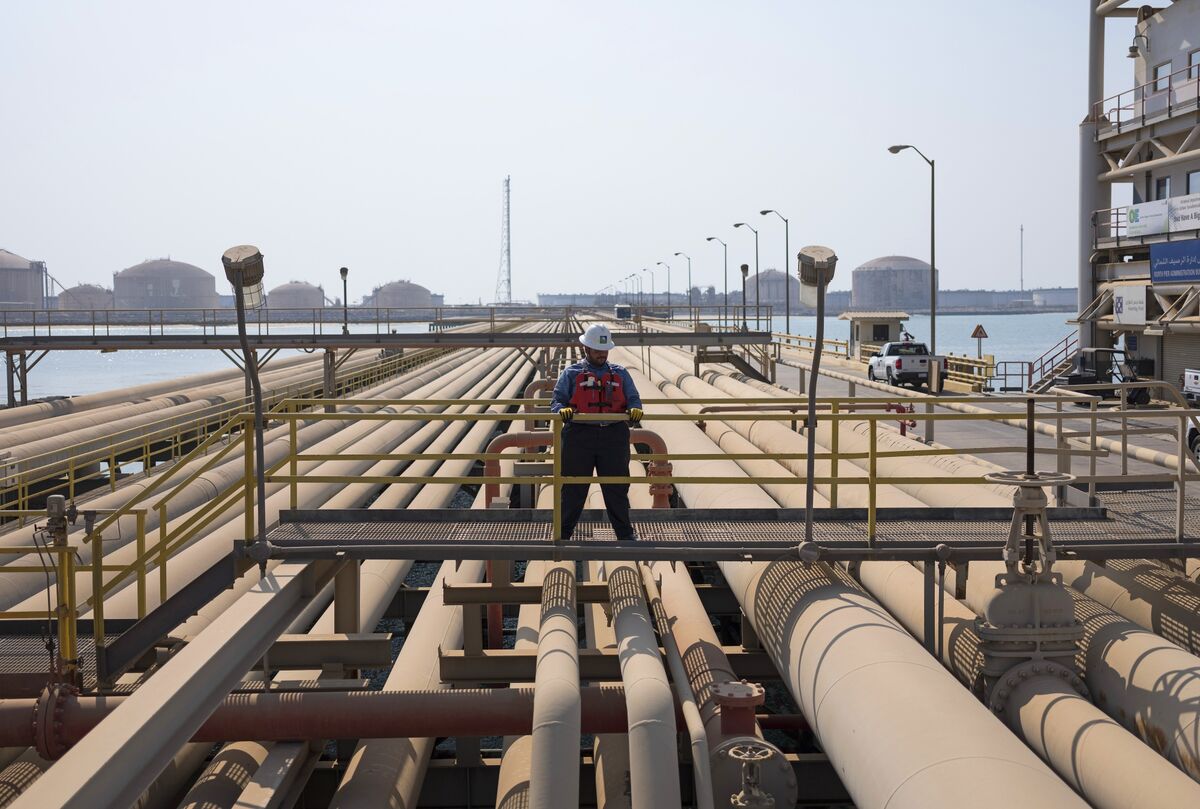
Despite ongoing talks with Oman to establish a new route through the strait, Iran insists that any new route would not open the waterway unless U.S. demands are met. The Strait of Hormuz is crucial for global oil shipments, and recent data shows traffic has slowed significantly, with only eight vessels reported on Tuesday, the lowest since August 5.
The Persian Gulf Strait Authority emphasized that claims of the strait being open do not reflect reality, stating, "the Strait of Hormuz remains blocked and will not be reopened until Iran's conditions are accepted."
As tensions rise, the implications for global energy markets and regional stability remain significant.
“Iran's foreign ministry spokesperson Esmaeil Baqaei questioned who should compensate for an oil spill, citing "trillions of dollars in damage" and pointing to a foreign bulk carrier. Meanwhile, vessel traffic in the strait fell to eight on Tuesday, below a 10-day average of about 12, per Kpler.”


 cbsnews.com