- Bombay High Court overturned the trial court's acquittal of Tarun Tejpal and sharply criticized its reasoning, particularly regarding how a rape survivor is expected to behave.
- The High Court set aside the acquittal, stating the trial court's conclusions were "directly contrary to the evidence on record" and suffered from "multiple fatal flaws" caused by preconceived notions.
- The High Court found that the trial court evaluated the survivor's testimony through stereotypes rather than evidence, resulting in a miscarriage of justice.
- The High Court expressed surprise that the trial judge remained largely silent during the defence's extensive and deeply personal cross-examination, which focused on the survivor's private life.
- The bench noted that the repetitive and invasive questioning appeared designed to humiliate and discredit the survivor, yet found her testimony consistent with no material contradictions.
- The High Court rejected the trial court's assumption that a survivor must behave in a particular manner to be believed, emphasizing that people process trauma differently.
- The court also rejected reliance on the survivor's conduct after the incident, stating that remaining at the venue or continuing to work does not diminish the reality of sexual assault.
- The High Court dismissed suggestions that the survivor's demand for a severance package and compensation amounted to extortion, noting she was entitled to seek compensation from her employer.
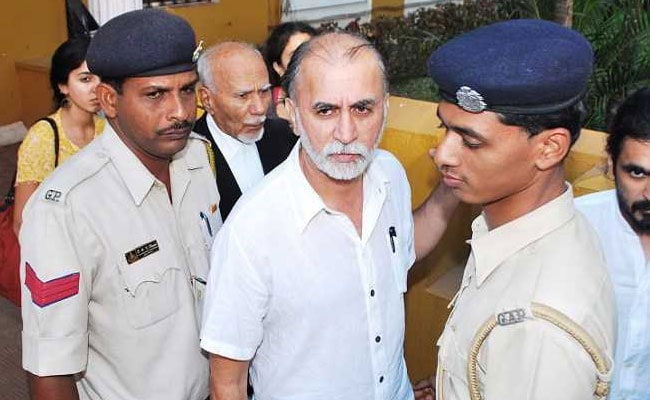
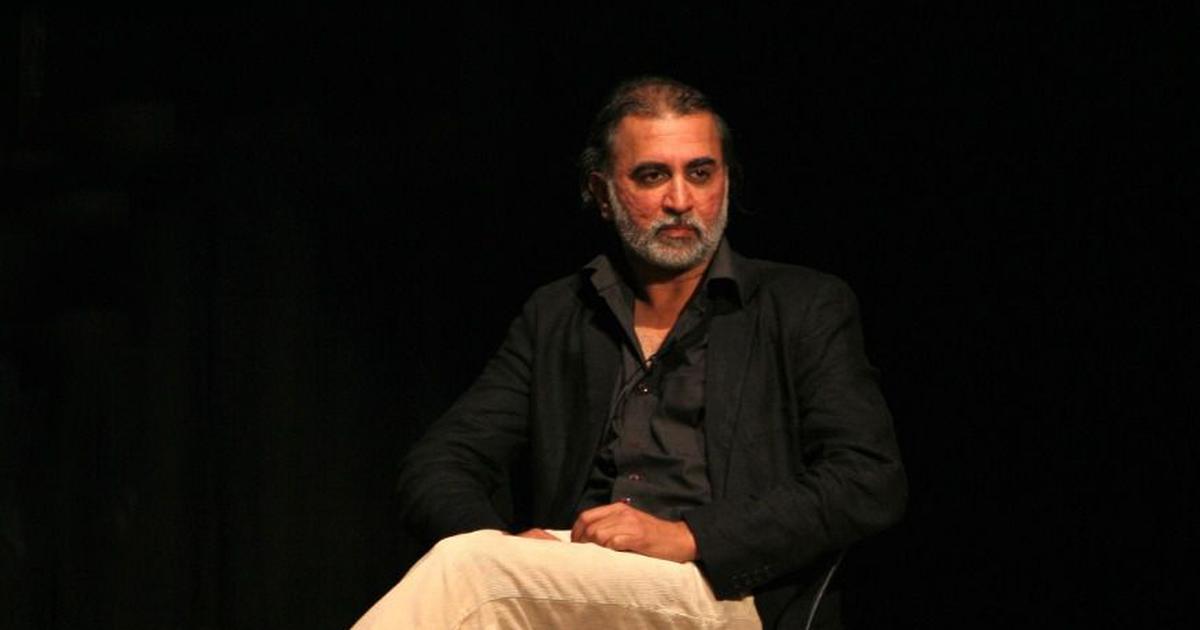
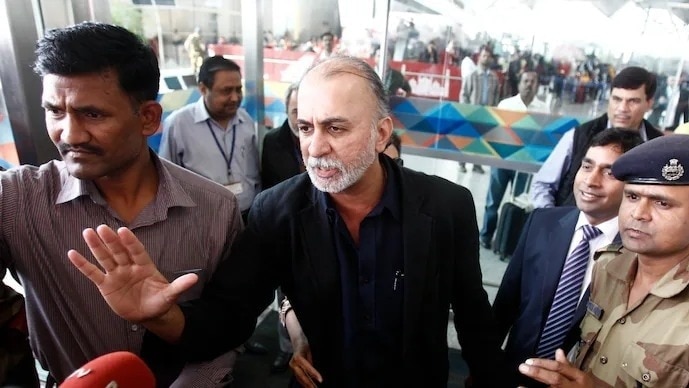
The Bombay High Court has overturned the acquittal of former Tehelka editor Tarun Tejpal, condemning the trial court's handling of the rape case as biased and flawed.1
The High Court criticized the trial court for evaluating the survivor's testimony through stereotypes rather than evidence, leading to a miscarriage of justice.3
The judges noted that the trial court's conclusions were "directly contrary to the evidence on record" and suffered from "multiple fatal flaws".2
The court expressed surprise at the trial judge's silence during the defence's extensive cross-examination of the complainant, which focused on her private life rather than the allegations against Tejpal.
Nearly half of the almost 1,000-page cross-examination delved into the survivor's past relationships and social media posts, appearing designed to humiliate rather than test the evidence.67
Despite this, the High Court found the complainant's testimony consistent, with no material contradictions emerging. The court rejected the notion that a survivor must behave in a certain way to be believed, stating that credibility must be assessed on evidence rather than social expectations.
The judges also dismissed claims that the survivor's demand for compensation was an attempt to extort Tejpal, affirming her right to seek financial redress after losing her job due to the incident.
The High Court's ruling underscores the need for a more nuanced understanding of trauma and the treatment of survivors in the judicial process.
“The High Court found the trial court's conclusions were "directly contrary to the evidence on record" and suffered from "multiple fatal flaws." It also criticized the trial judge for remaining silent during a nearly 1,000-page cross-examination that focused on the survivor's private life rather than the allegations.”