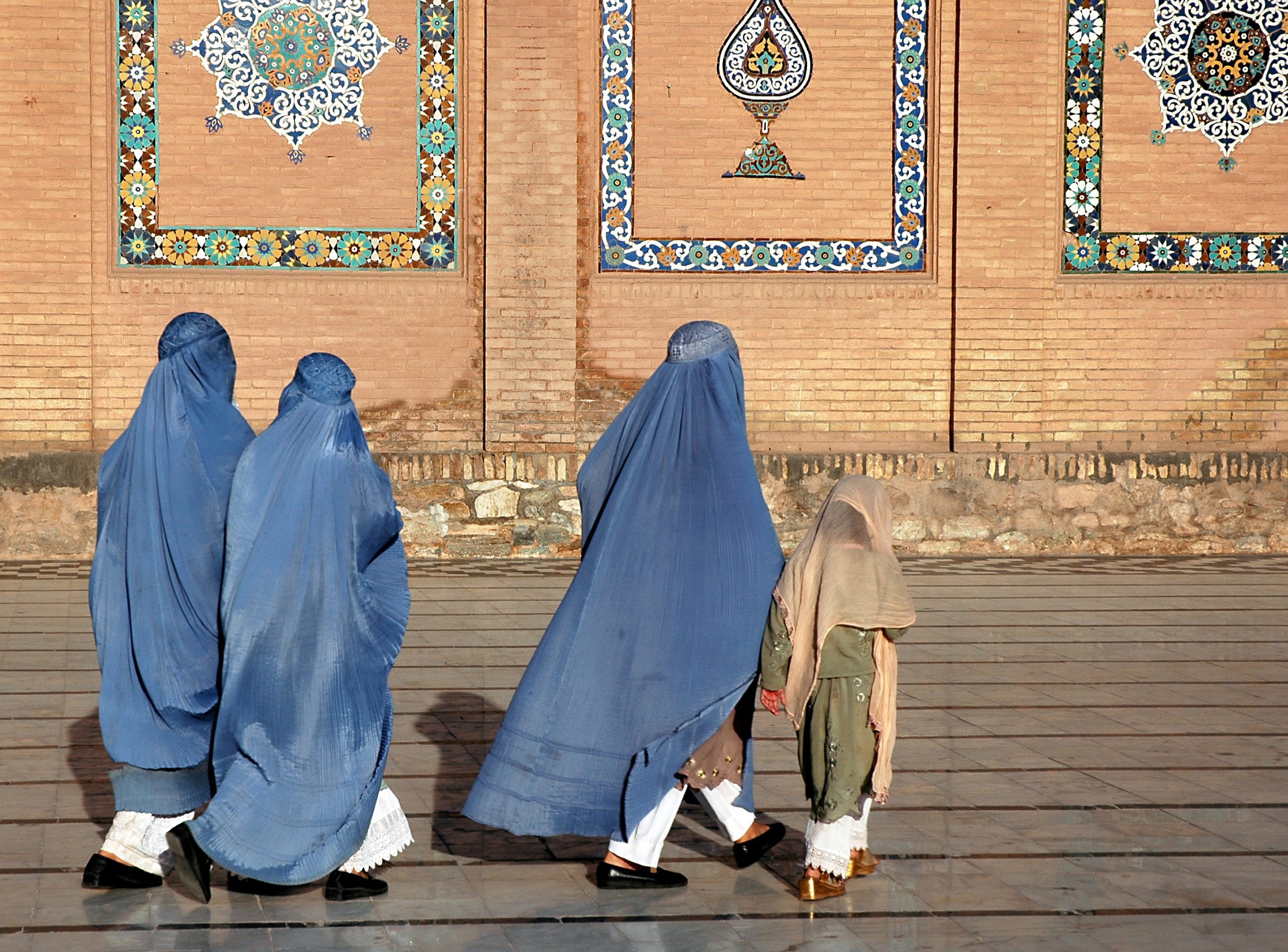
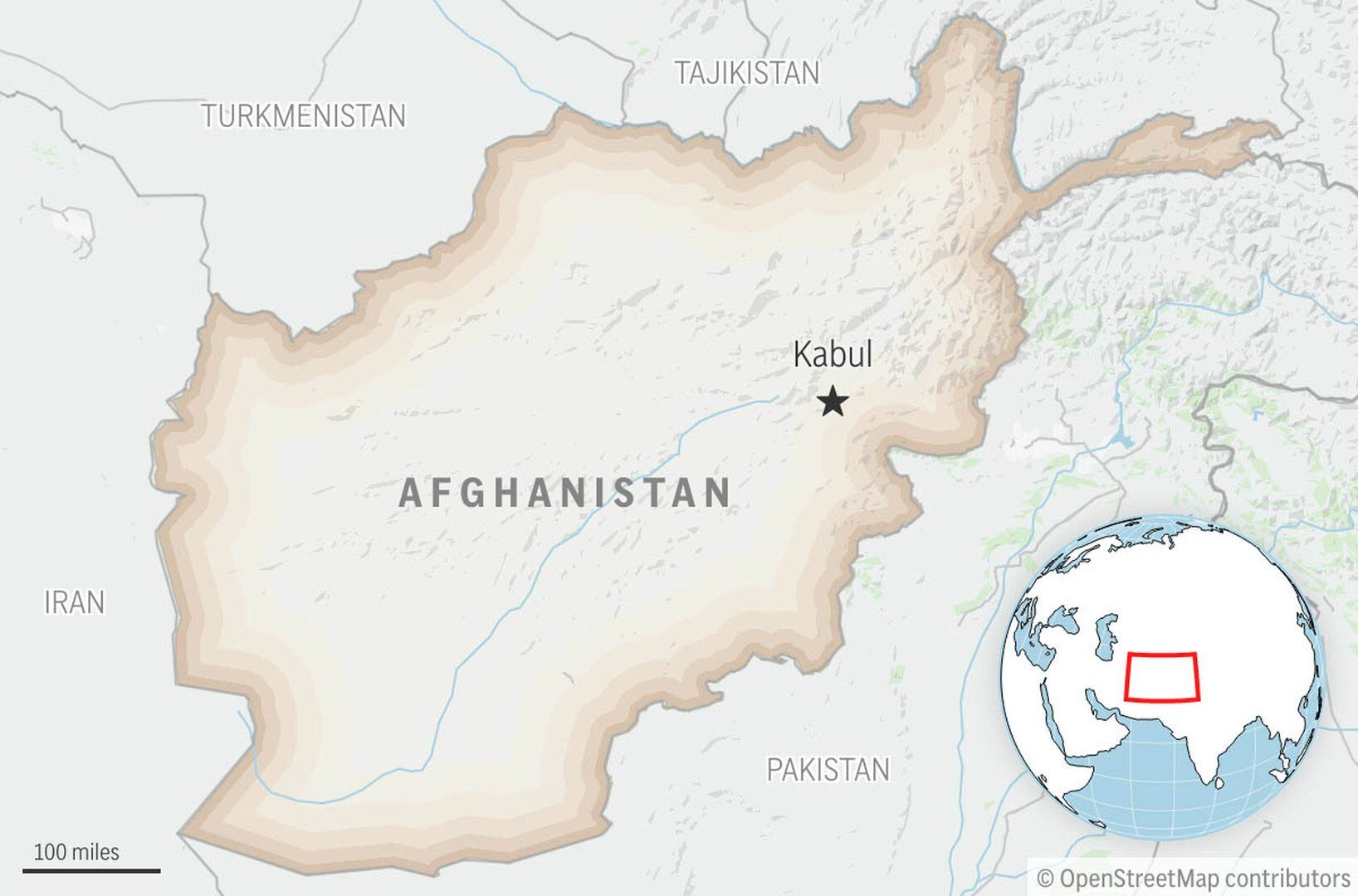
- Five years after the Taliban capture of Kabul, advocates are urging Canadians not to ignore the oppression of women in Afghanistan.
- UN Women said Afghan women and girls live under the world’s most severe restrictions, with no parallel in the modern world.
- The UN Assistance Mission in Afghanistan said restrictions on women impede economic recovery and reintegration, but noted many Afghans feel safer after reduced conflict.
- The United Nations says sanctions and natural disasters have led to economic calamity and child malnutrition; UNICEF reports a sharp increase in child marriage.
Five years after the Taliban's takeover of Kabul on August 15, 2021, Afghan women and girls continue to face unprecedented restrictions, according to UN Women.23
These restrictions include bans on education beyond Grade 6, employment, and access to public spaces.
Currently, 2.4 million girls are barred from education, with many unable to reach even Grade 6 due to financial constraints.
UN Women describes the situation as a systematic dismantling of rights, making Afghanistan a global outlier.
“Half a decade after the Taliban takeover in August 2021, Afghanistan has systematically dismantled the rights of half its population,” the agency stated.
Advocates are calling on Canadians to not ignore this oppression, highlighting the need for international attention and action.
Despite the severe restrictions, some Afghans report feeling safer due to a reduction in conflict, as noted by the UN Assistance Mission in Afghanistan, which stated, “A reduction in conflict has brought tangible benefits for many Afghans.”456
However, the economic situation remains dire, with global sanctions and natural disasters leading to critical levels of child malnutrition.
UNICEF has reported a sharp increase in child marriage, further exacerbating the plight of women and girls in the country.78
The international community is urged to recognize these challenges as Afghanistan struggles to reintegrate into global society.
“UNICEF reports a sharp increase in child marriage, while the UN Assistance Mission says restrictions on women impede economic recovery but notes many Afghans feel safer after reduced conflict. Sanctions and natural disasters have led to economic calamity and critical child malnutrition in some regions.”


 Global News