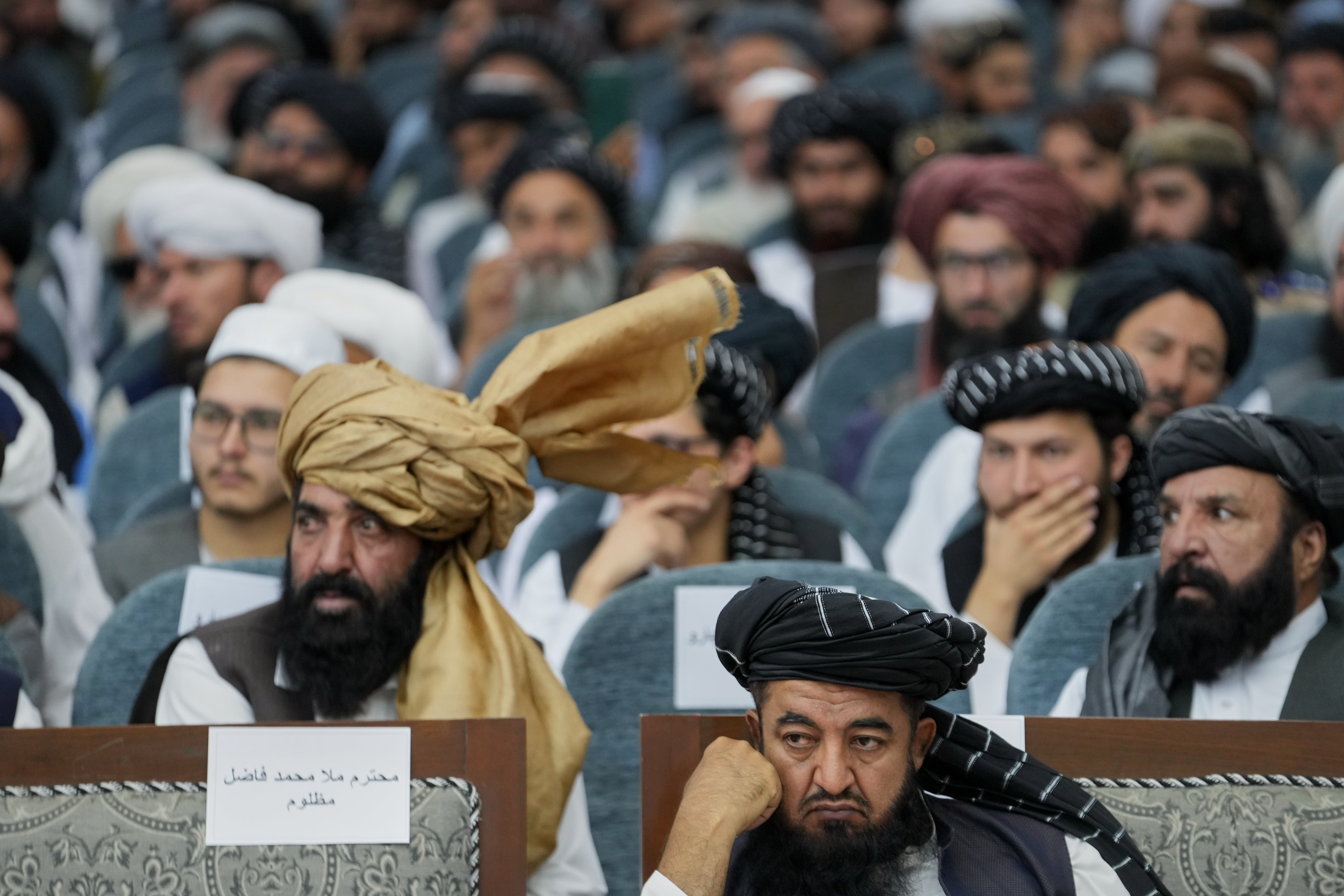
- The Taliban took power in Afghanistan five years ago, pledging that women would have access to education, employment, and public participation.
- Soon after taking power, the Taliban imposed a ban on girls' education beyond the sixth grade and later also banned higher education for women, despite having pledged before the takeover that women would be allowed access to education, employment and public participation.
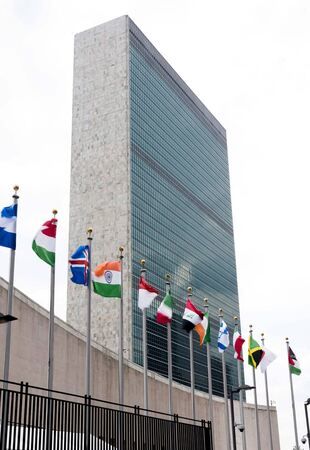
- UN special rapporteur Richard Bennett stated that the human rights situation has deteriorated, especially for women and girls, and that the system amounts to gender persecution.
- UNESCO estimates that 2.4 million girls have been excluded from secondary education, and U.N. Women warns that the bans threaten Afghanistan's future.
- Bennett documented widespread abuses including arbitrary arrests, torture, extrajudicial killings, and restrictions on freedoms.
- Bennett warned the international community against normalizing the Taliban’s policies, saying it would legitimize discrimination.
The Taliban's rule in Afghanistan, which began on August 15, 2021, has been marked by significant human rights violations, particularly against women and girls.
Richard Bennett, the U.N. special rapporteur on human rights, highlighted a deepening crisis, stating, “While the era of war has ended, it’s questionable whether there’s real peace, and the human rights situation has steadily deteriorated, most dramatically for women and girls.”345
The Taliban's initial promises of education and employment for women have been broken, with 2.4 million girls excluded from secondary education and bans on higher education for women.167
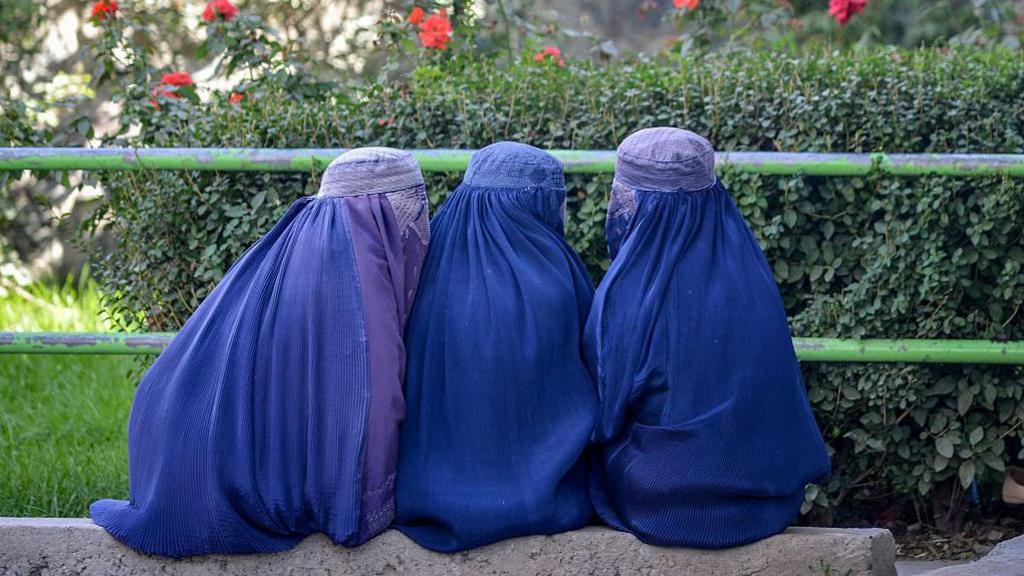
Women are also restricted from public spaces, sports, and travel without a male guardian.
Bennett emphasized that the crisis extends beyond gender discrimination, citing arbitrary arrests, torture, extrajudicial killings, and attacks on journalists.8
He warned against the international community normalizing the Taliban's policies, stating it would legitimize discrimination and suggest that “victims their suffering is negotiable.”9
The U.N. agency on women’s rights, U.N. Women, noted that these restrictions threaten Afghanistan’s future, with a lack of essential professionals like teachers and doctors undermining the country’s social and economic foundations.
“UN special rapporteur Richard Bennett says the system amounts to gender persecution, documenting arbitrary arrests, torture, and extrajudicial killings. UNESCO estimates 2.4 million girls have been excluded from secondary education, and U.N. Women warns the bans threaten Afghanistan's future.”


 The Independent