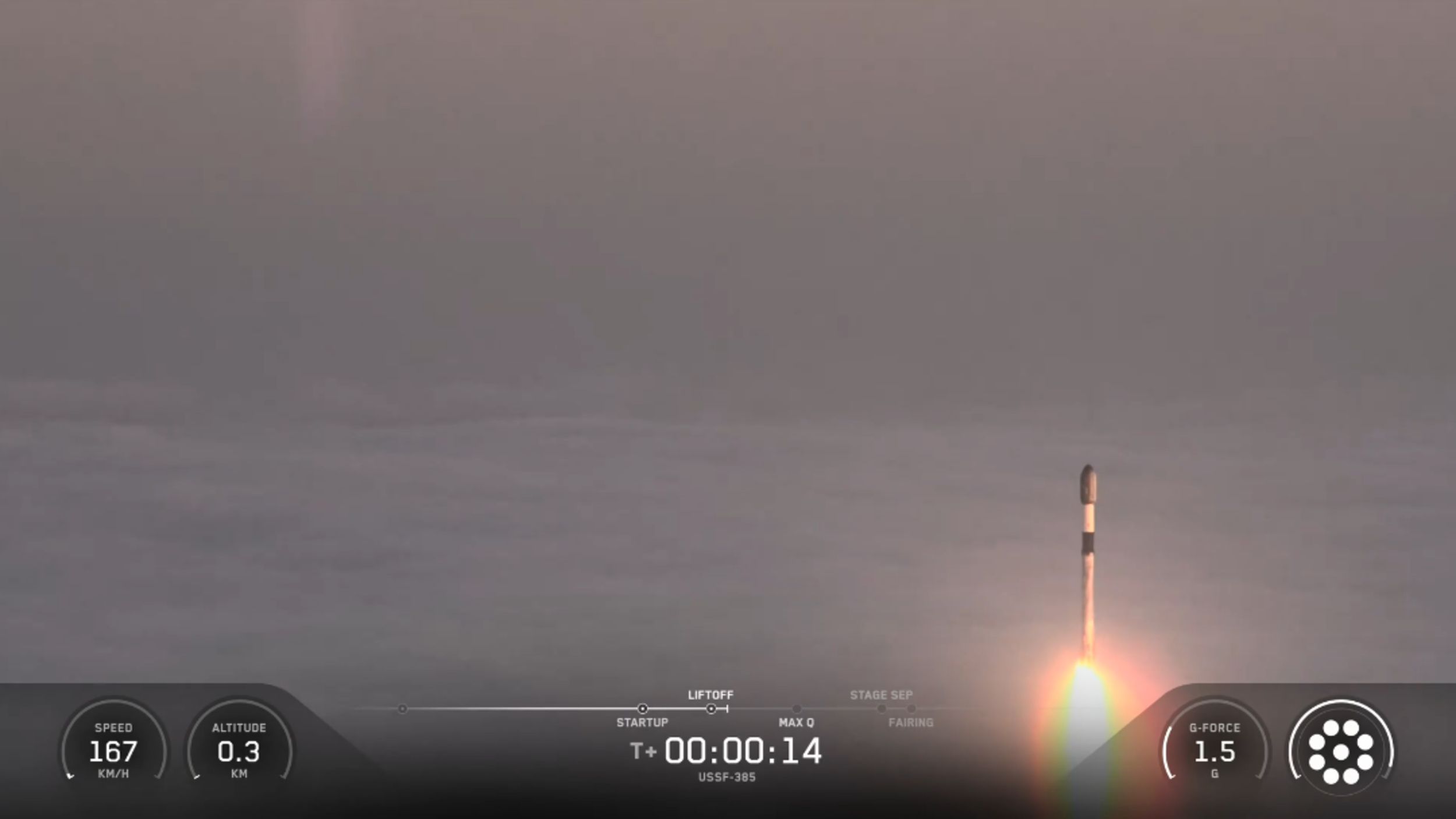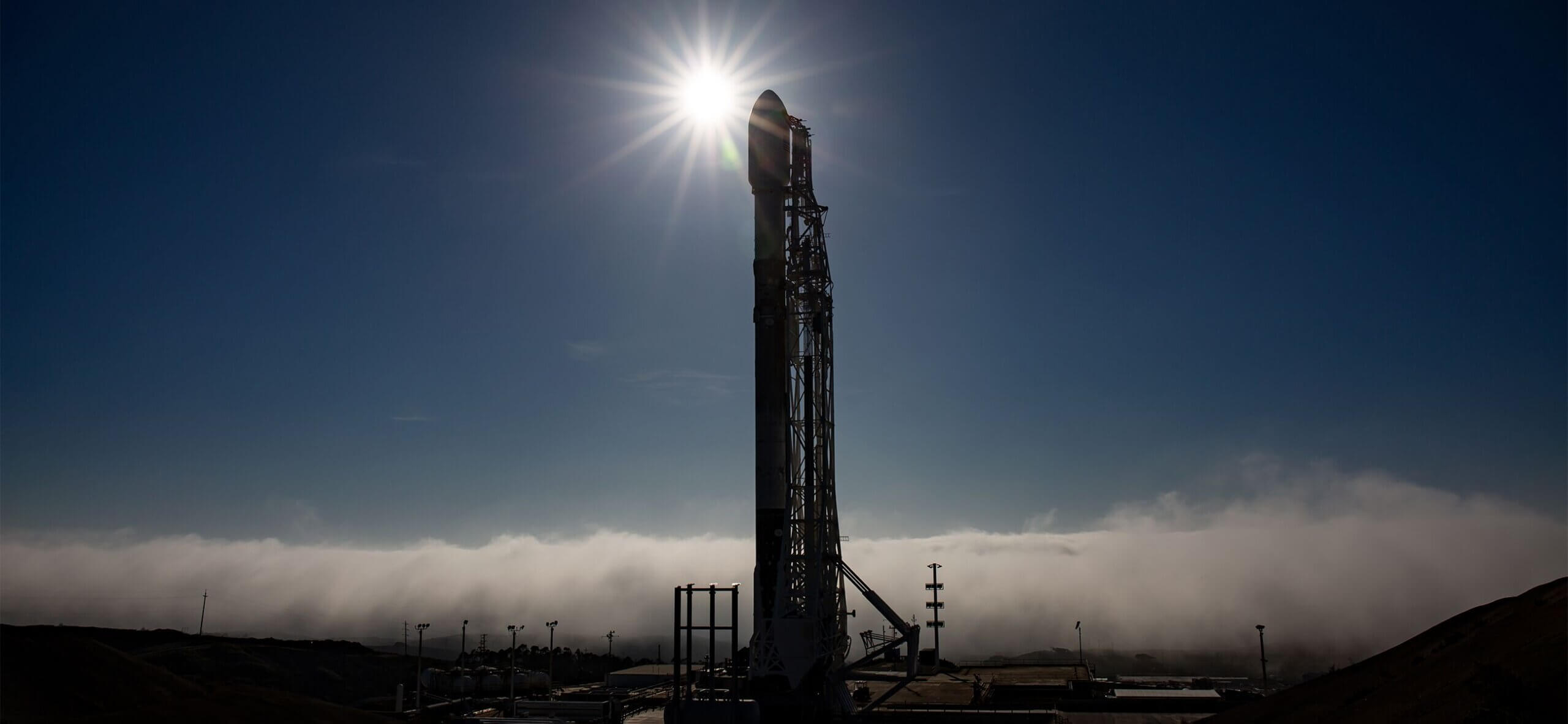
- TakeMe2Space is set to launch India's first orbital computing satellite, MOI-1A, on 1 October aboard a SpaceX Falcon 9 during the Transporter-18 rideshare mission.
- The MOI-1A satellite will enable in-orbit AI processing of Earth observation data, allowing customers to load their own AI models onto it.
- 23 customers have booked space on the mission, including firms from mapping, farming, mining, supply chains, and insurance.
- The MOI-1A satellite replaces the earlier MOI-1, which was lost on 12 January due to a failure in the third stage of ISRO's rocket.
- After the loss of MOI-1, TakeMe2Space secured the first available launch slot on a SpaceX Falcon 9 in May.
- An earlier test satellite was launched from Sriharikota on 30 December 2024.
- TakeMe2Space designs and builds most parts of its satellites in India, while sourcing propulsion systems, chips, and solar cells from other suppliers.
TakeMe2Space, a Hyderabad-based space startup, is preparing to launch India's first orbital computing satellite, named MOI-1A, on October 1 aboard SpaceX's Transporter-18. This innovative satellite is designed to process Earth observation data in orbit, eliminating the need to send raw imagery back to Earth for processing.1247
The MOI-1A satellite weighs less than 50kg and utilizes Nvidia's Orin NX chips, which are specifically designed for edge computing. Customers can load their own AI models onto the satellite, allowing it to process data as it passes over selected areas and send back only the results.
Currently, 23 customers have booked space on this mission, including mapping firms, schools, and businesses in sectors such as farming, mining, supply chains, and insurance. Notably, one of the customers is Little Place Labs, a US-based space data company.3
The MOI-1A satellite replaces the original MOI-1, which was lost during a failed launch on January 12. Following that setback, TakeMe2Space secured the first available launch slot on a SpaceX Falcon 9 in May. The startup designs and builds most components of its satellites in India, although it sources propulsion systems, chips, and solar cells from external suppliers. Looking ahead, TakeMe2Space plans to develop larger, networked satellites that can serve multiple customers simultaneously and aims to offer data storage in orbit for banks and defense clients as a backup to terrestrial cloud providers.
“The satellite weighs under 50kg and uses Nvidia's Orin NX chips with roughly 150 watts, letting customers load AI models that process data in orbit and send only results down. TakeMe2Space took the first SpaceX Falcon 9 slot it could find in May after MOI-1 was lost on 12 January when ISRO's third stage failed.”