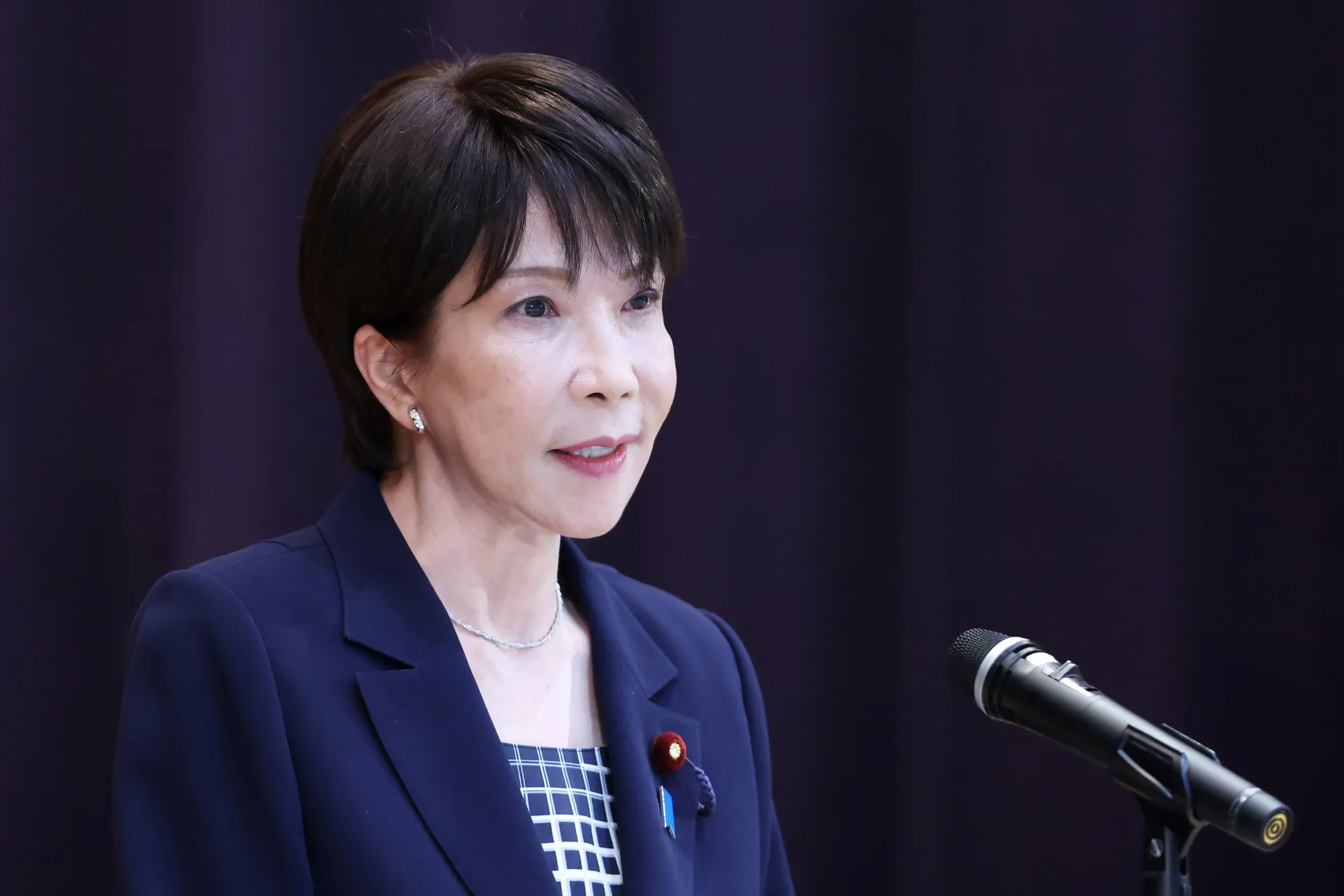
- Takaichi reshuffled her Cabinet on Thursday, replacing 10 of 18 ministers to revive sagging support while retaining key ministers to ensure policy continuity and strengthen ties with the U.S.
- Key ministers retained include Satsuki Katayama as finance minister, Toshimitsu Motegi as foreign minister, and Shinjiro Koizumi as defense minister, ensuring continuity of Japan's key policies.
- Takaichi took office last October as Japan's first female leader in modern history, marking a significant milestone in the country's political landscape.
- Genta Koja, backed by Takaichi's LDP, won the Okinawa gubernatorial election Sunday, which is expected to aid her military buildup agenda.
- The Cabinet adopted a two-year cut in the consumption tax to 1% from 8% on Monday, a move aimed at addressing rising prices.
- Takaichi retained Taro Aso as LDP vice president and Shunichi Suzuki as secretary-general in a party leadership revamp, consolidating her grip on power nearly a year after taking office.
- Maintaining stable ties with Washington is crucial for Takaichi as Japan seeks to mend relations with China following her controversial comments regarding Taiwan.
- Takaichi's government is working to revise security and defense strategy documents by the end of the year to bolster Japan’s offensive capabilities against threats from China, North Korea, and Russia.
Japan's Prime Minister Sanae Takaichi reshuffled her Cabinet on Thursday, replacing 10 of 18 ministers in a strategic move to revive her declining popularity while maintaining crucial positions for U.S. relations. This reshuffle is significant as it is her first since taking office nearly a year ago.
Takaichi retained key ministers including Shinjiro Koizumi as Defense Minister and Toshimitsu Motegi as Foreign Minister, ensuring continuity in Japan's foreign policy and strong ties with Washington. Satsuki Katayama remains as Finance Minister, supporting Takaichi's ambitious spending policies.
The reshuffle comes amid Japan's efforts to bolster its defense strategy, particularly in light of tensions with China and North Korea. Takaichi's government aims to revise security documents by year-end to enhance Japan's offensive capabilities.11
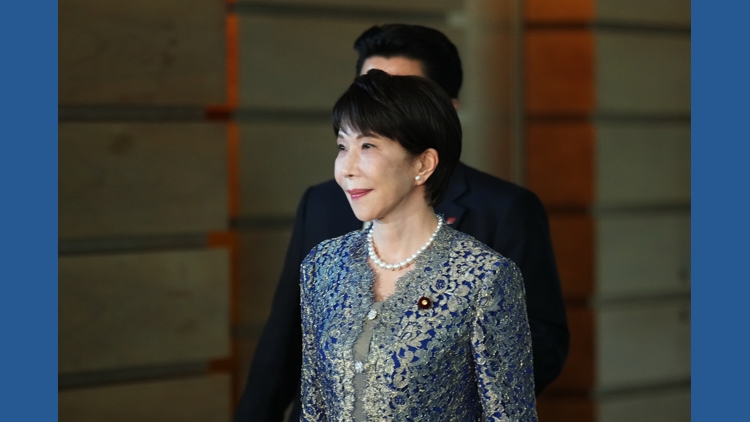
In a recent election, Takaichi's LDP-backed candidate won in Okinawa, which may aid her military buildup plans in response to China's assertiveness. However, her administration faces challenges, including rising prices and concerns over Japan's financial health due to proposed tax cuts.
“Takaichi's spending policy has already prompted U.S. Treasury Secretary Scott Bessent to urge Japan to stop the reflationary policy of weak yen and low interest rates,” highlighting the delicate balance Takaichi must maintain between domestic and international pressures.
Overall, Takaichi's Cabinet reshuffle reflects her strategy to consolidate power while navigating complex geopolitical and economic landscapes.
“The reshuffle is the first by the right-wing LDP leader since she took office last October, and she retained Taro Aso as LDP vice president. Takaichi also pushed a two-year consumption tax cut to 1% from 8%, which has added to concerns about Japan's strained finances.”
 10TV
10TV