
- SWR has launched a crackdown on 'short faring' at London stations, targeting passengers who deliberately buy tickets covering only part of their journey.
- The practice of 'short faring' is putting around £1 million of revenue at risk, according to SWR.
- SWR found that up to 95 per cent of barcode tickets for a four-minute route were being used fraudulently.
- In the first four weeks of the crackdown, SWR has already helped to protect £45,000 in revenue.
- One customer was found to have evaded £20,000 over three years while traveling between Surrey and London.
- Matthew Winnie, SWR's Chief Customer and Commercial Officer, stated that the overwhelming majority of customers pay the correct fare, but there is growing evidence of exploitation of the system.
- Since June, SWR's trial has identified 153 short-faring offences, compared to just seven during the same period last year.
- Industry body the Rail Delivery Group estimates that at least £350 million to £400 million of annual fares revenue is lost to fraud and ticketless travel each year.
South Western Railway (SWR) has launched a significant crackdown on 'short faring', a practice where passengers buy tickets covering only part of their journey, risking an estimated £1 million in revenue.1234
In the first four weeks of the initiative, SWR reported protecting £45,000 in revenue.7
Matthew Winnie, SWR's Chief Customer and Commercial Officer, stated, “The overwhelming majority of our customers pay the correct fare. However, there’s growing evidence of some people deliberately exploiting the system - a criminal offence that deprives the railway of hundreds of millions of pounds each year.”9
The company identified that up to 95% of barcode tickets for short routes were being used fraudulently, with one passenger evading £20,000 over three years.8
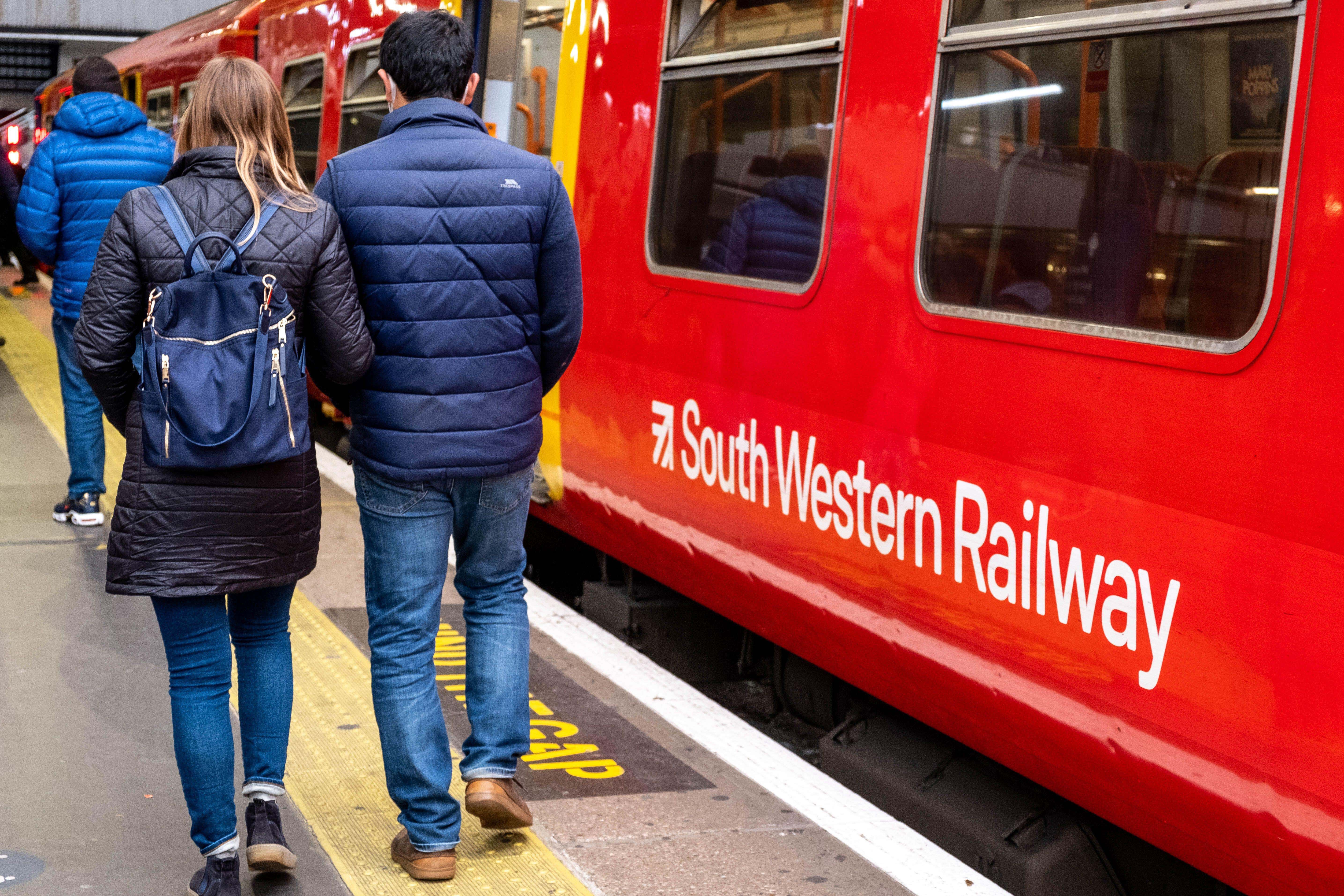
SWR has deployed additional revenue protection staff at key stations, and since June, the trial has identified 153 short-faring offences, a significant increase from seven during the same period last year.
Early data indicates that about a third of previously identified offenders are now purchasing the correct tickets.
The Rail Delivery Group estimates that fraud and ticketless travel cost the industry between £350 million and £400 million annually, with SWR alone losing about £40 million each year to fare evasion.11
“SWR found up to 95 per cent of barcode tickets bought for the four-minute Vauxhall route were being used fraudulently, putting around £1 million of revenue at risk. The first four weeks of the crackdown helped protect £45,000, and one traveller was found to have evaded £20,000 over three years.”
 London Evening Standard
 The Independent



