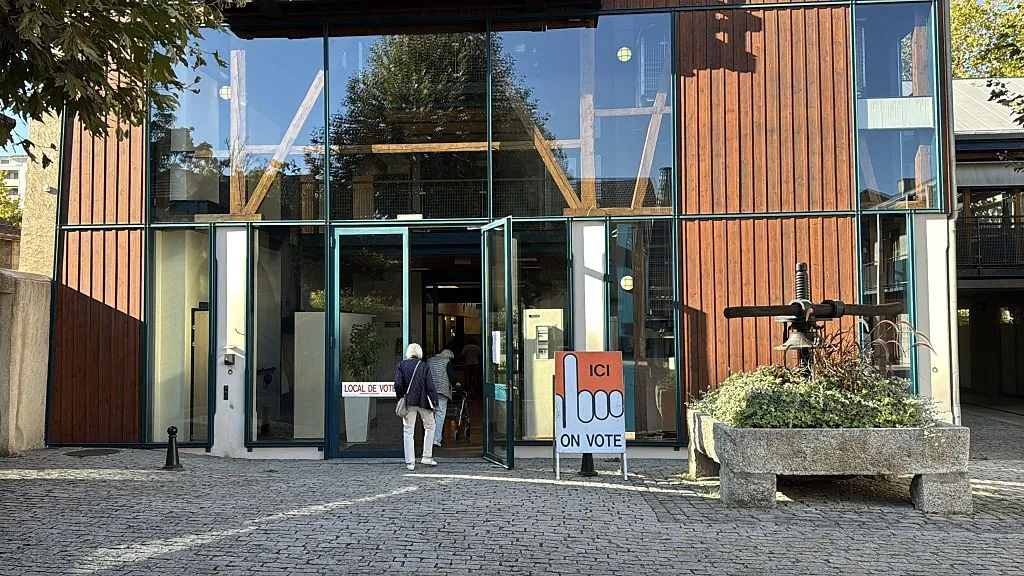
- Swiss voters rejected a stricter interpretation of neutrality, which was supported by the right-wing Swiss People's Party (SVP) and backed by Moscow, while opposed by the federal government and all other major parties.
- Foreign Minister Ignazio Cassis stated that neutrality has always been applied with flexibility and emphasized that it does not mean indifference.
- Switzerland's neutrality was internationally recognized in 1815 when the country was granted "eternal neutrality" at the Congress of Vienna, during a period of war and upheaval in Europe.
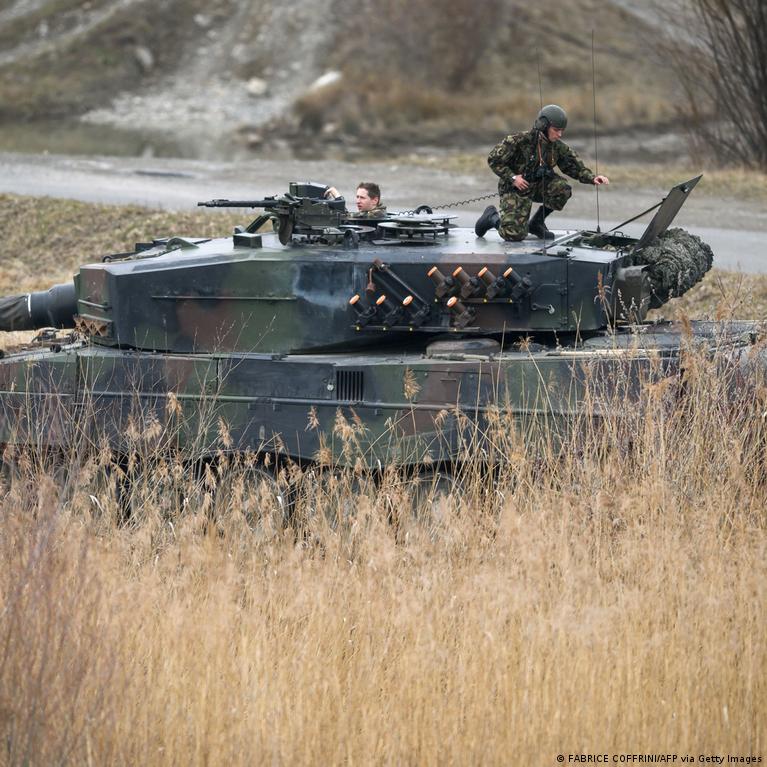
- The Hague Convention of 1907 legally defined Swiss neutrality, which forbade Switzerland from supplying weapons to countries at war.
- Switzerland remained neutral through World War Two, banking gold looted by the Nazis and turning away thousands of Jewish refugees, for which it later apologized in the 1990s.
- Russia's full-scale invasion of Ukraine has reopened the debate around Switzerland's centuries-old non-alignment.
Swiss voters have reaffirmed their commitment to neutrality by rejecting a proposal that would have restricted the country's ability to impose sanctions without UN approval.1
The initiative, which garnered support from Moscow and the right-wing Swiss People's Party (SVP), was opposed by the federal government and all major political parties.
Official results indicated that over 70% of voters were against the stricter interpretation of neutrality, which would have also hindered Switzerland's ability to strengthen ties with NATO.
According to Lukas Golder, co-director of research institute Gfs.bern, the vote reflects a clear understanding among Swiss citizens of what neutrality entails, emphasizing support for sanctions against Russia.

Swiss Foreign Minister Ignazio Cassis highlighted that while Switzerland maintains a ban on arms sales to conflict zones, neutrality does not equate to indifference towards international violations. He stated, "neutrality has always been applied with a degree of flexibility."
Switzerland's tradition of neutrality dates back to its recognition in 1815 at the Congress of Vienna and was legally defined by the Hague Convention of 1907. The country has maintained this stance through various global conflicts, including World War II, despite past controversies regarding its actions during that time.4
The recent vote underscores a significant moment in Swiss politics, as the nation navigates its historical stance on neutrality amidst contemporary geopolitical tensions.
“The vote signals continued Swiss support for sanctions against Russia, as analyst Lukas Golder noted. Foreign Minister Ignazio Cassis stressed that "neutrality does not mean indifference," while Switzerland maintains a ban on arms sales to conflict zones.”


 bbc.com