- 1,204 people have been reported dead and 4,216 are missing following the recent mudslides and floods in Nepal.
- Authorities have stated that Nepal will need to rebuild around 20,000 houses in flood-affected areas, with 7,500 houses completely destroyed.
- The search for missing individuals continues, including nine South Korean workers at the Upper Trishuli-1 hydropower plant.
- Memorials have been held for the missing, as the Prime Minister emphasizes the climate risks faced in the Himalayas.
- A total of 301 people have been injured, while 21,314 security personnel have been mobilized for search, rescue and relief operations.
- Authorities are working to identify safer areas for rebuilding and relocation to avoid exposing people to the same risks.
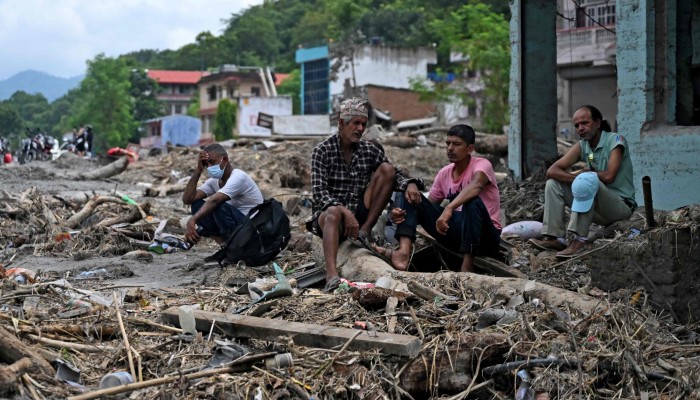
- Survivors like Shanti Sunar have lost homes and livelihoods, and expect the government to relocate them to safer places.
- Nepal plans to rebuild an early-warning system for landslides with seismic sensors, cameras, and a satellite link.
As of Wednesday, the death toll from the mudslide in Nepal has reached 1,204, with 4,216 individuals still unaccounted for. The National Disaster Risk Reduction and Management Authority reported that 301 people have been injured and 21,314 security personnel are engaged in ongoing search and rescue operations.15
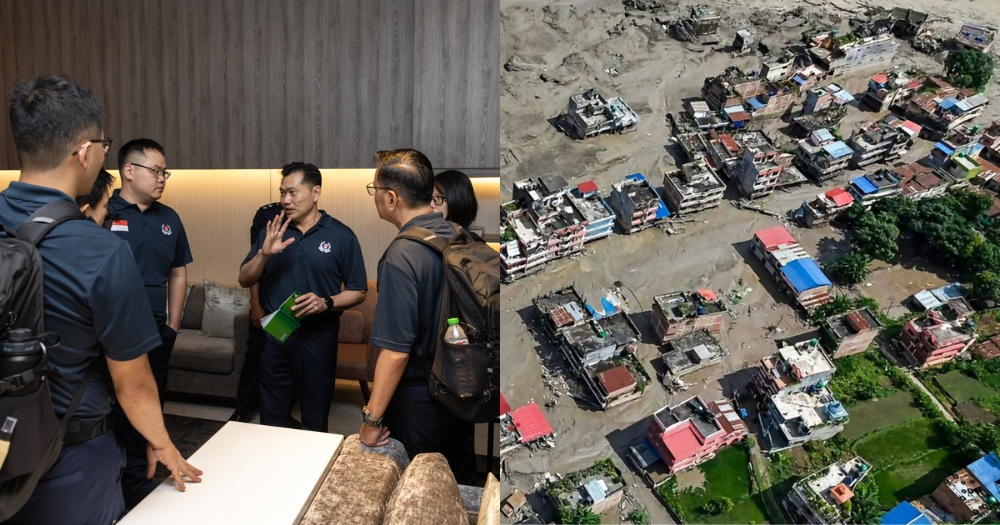
The mudslide, triggered by a glacier collapse on August 26, devastated the border region with China, obliterating settlements and leaving many homes uninhabitable. Dharma Raj Upreti, chief of the National Disaster Risk Reduction and Management Authority, stated, “Our preliminary estimates are that 7,500 houses have been completely destroyed, either washed away or buried under debris and mud.” Authorities now estimate that around 20,000 houses will need to be rebuilt.2
Prime Minister Balendra Shah emphasized the importance of relocating homes to safer areas, stating, “There is no point in rebuilding the houses in the same locations, as that would expose people to the same risks.” The government is also working on an early-warning system for landslides, which will include seismic sensors and satellite links.68
In the aftermath, 22,000 children urgently require safe drinking water and sanitation support, according to UNICEF. Efforts are underway to restore normalcy, with a focus on establishing makeshift schools for displaced children.
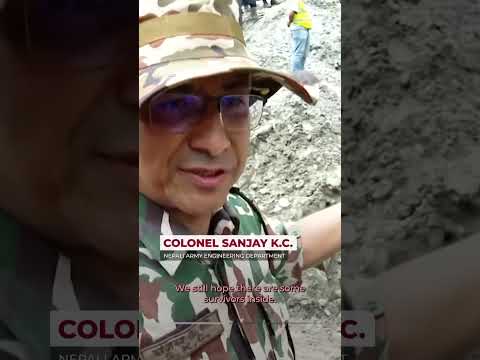
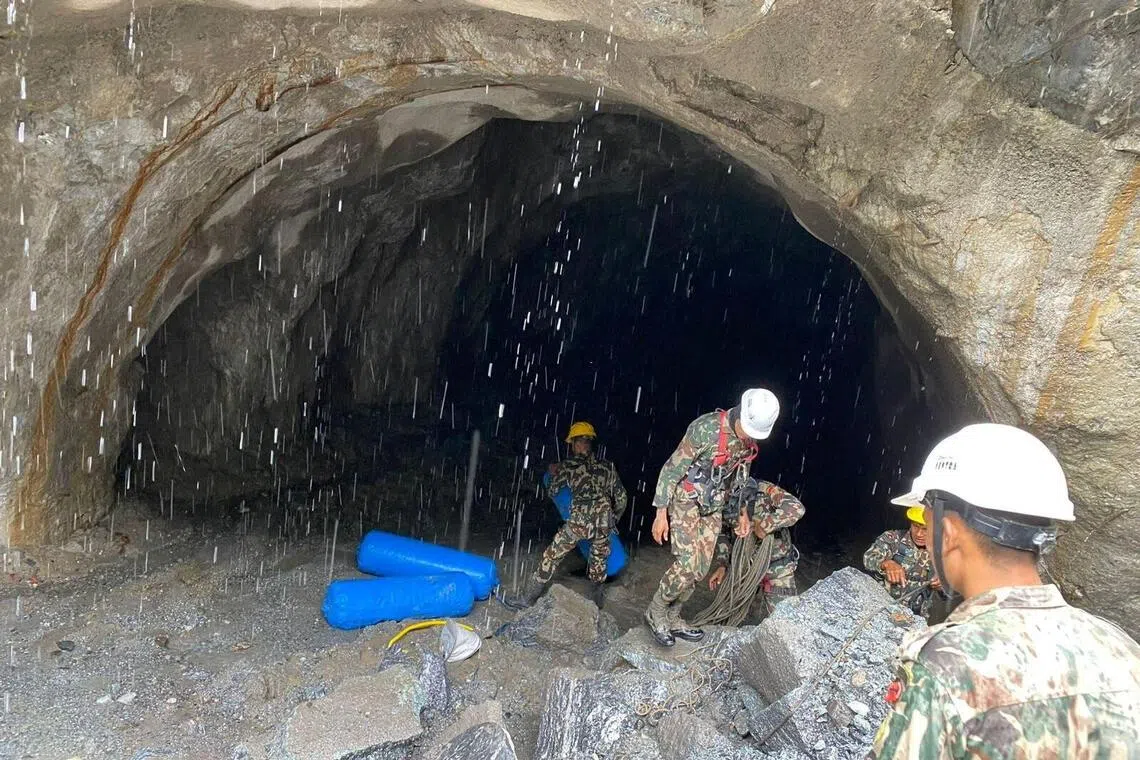
As the search continues, an army officer involved in the operation remarked, “The search-and-rescue operation will continue as long as there is any hope of finding survivors.”
“Authorities estimate 7,500 houses completely destroyed and 20,000 need rebuilding, with relocation to safer areas planned. A South Korean rescue team with drones and thermal imaging is searching for nine missing workers at the Upper Trishuli-1 hydropower plant.”