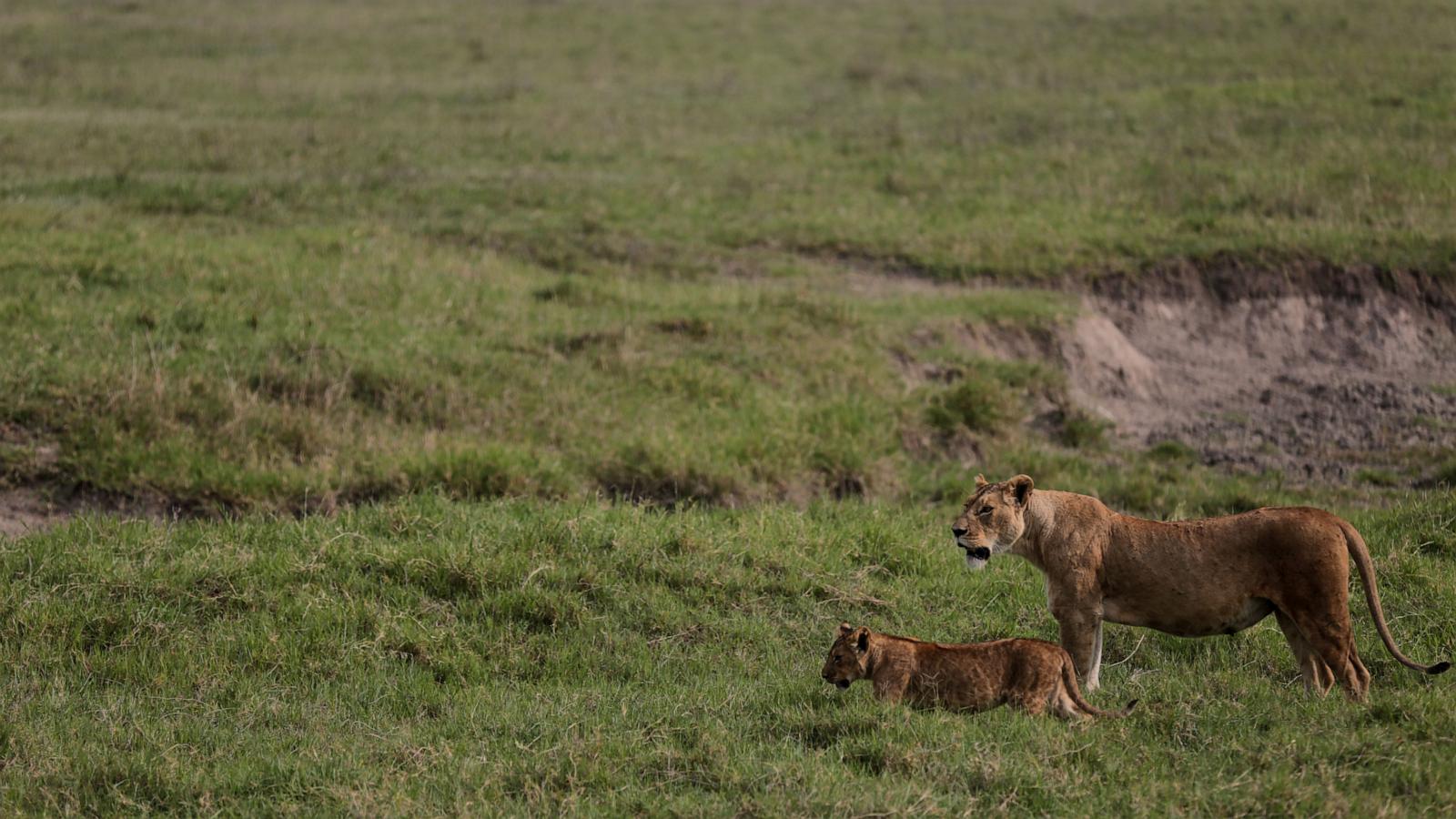
- Ten lions have been found dead in a suspected poisoning incident at Tanzania's Ngorongoro Conservation Area, according to the authorities.
- The lions were discovered on September 18, 2026 in the Ndutu part of the Ngorongoro Conservation Area, according to the conservation group overseeing the site.
- Preliminary findings suggest the animals may have died after ingesting poison, the Ngorongoro Conservation Area Authority said in a statement.
- An investigation is underway to establish the definitive cause of the deaths and identify those responsible.
- The Ngorongoro Conservation Area is a UNESCO World Heritage site that is home to a population of about 25,000 large animals, including the densest known population of lions.
- The International Union for Conservation of Nature classifies lions as vulnerable and notes that their numbers are declining.
- Threats facing the species include habitat loss, declining prey populations, and human-wildlife conflict.
- The Tanzanian government argues that population growth is encroaching on wildlife habitat, with the number of people living in Ngorongoro rising from about 8,000 in 1959 to more than 100,000.
Authorities in northern Tanzania are investigating the suspected poisoning of 10 lions found dead in the Ngorongoro Conservation Area, a UNESCO World Heritage site. The lions were discovered on September 18, 2026, in the Ndutu area, raising alarms about wildlife safety in the region.125
Preliminary findings from the Ngorongoro Conservation Area Authority suggest the animals may have died after ingesting poison. An ongoing investigation aims to determine the definitive cause of death and identify those responsible for this incident. The area is home to a diverse range of wildlife, including lions, elephants, and black rhinos, which coexist with semi-nomadic Maasai pastoralists.34
The Tanzanian government has noted that population growth is encroaching on wildlife habitats, with the number of people living in Ngorongoro increasing from about 8,000 in 1959 to over 100,000 today. This rapid growth exacerbates human-wildlife conflict, a significant threat to the already vulnerable lion population. The International Union for Conservation of Nature classifies lions as vulnerable, citing habitat loss and declining prey populations as additional threats to their survival.678
As the investigation unfolds, conservationists and authorities are calling for urgent measures to protect the remaining wildlife in the area and prevent future incidents of poisoning.
“The Ngorongoro Conservation Area Authority said the lions were found dead on September 18 in the Ndutu area, and preliminary findings suggest they ingested poison. The area is home to about 25,000 large animals, including the densest known lion population, and faces threats from habitat loss and human-wildlife conflict.”

 ABC News - Breaking News, Latest News and Videos
 CBS News




