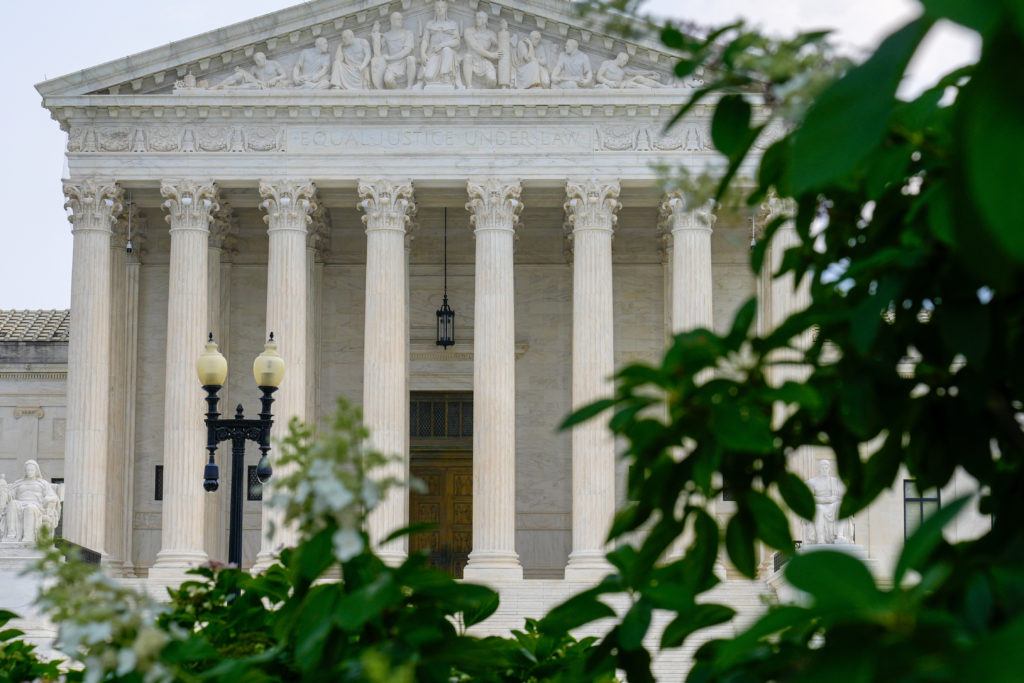
- Justice Sonia Sotomayor refused Monday to halt a $656 million judgment against Palestinian authorities in a long-running lawsuit filed by Americans killed or wounded in attacks in Israel.
- The Supreme Court revived two cases in 2025 and upheld the law, leading to the 2nd Circuit reinstating the judgment in March.
- In 2015, plaintiffs won the $656 million judgment in a New York federal court, alleging that the Palestinian entities were responsible for attacks from 2002 to 2004.
- Sotomayor denied a request by the Palestinian Authority and the Palestine Liberation Organization to put on hold the judgment while they appeal a lower court's decision.
- The lawsuit was filed by victims of attacks in Jerusalem in the early 2000s that killed 33 people and wounded hundreds more under the Anti-Terrorism Act.
- In 2016, the 2nd Circuit overturned the verdict and dismissed the case, citing lack of jurisdiction.
- The Supreme Court declined to hear an appeal of the case in 2018, allowing the 2nd Circuit ruling to stand.
- In 2019, Congress passed the Promoting Security and Justice for Victims of Terrorism Act to facilitate lawsuits against Palestinian authorities.
- The Palestinian organizations warned that enforcing the judgment could cause severe financial harm and destabilize government services in the West Bank.
- They stated that security, sanitation, and school services in the West Bank are 'hanging by a thread' due to potential financial instability.
The U.S. Supreme Court, led by Justice Sonia Sotomayor, has refused to halt a $656 million judgment against the Palestinian Liberation Organization (PLO) and the Palestinian Authority (PA) in a lawsuit filed by victims of terrorist attacks in Israel from 2002 to 2004.1237
The lawsuit, initiated by families of Americans killed or injured in these attacks, was brought under the Anti-Terrorism Act, which allows U.S. courts to hear cases involving international terrorism. The Supreme Court's decision follows a 9-0 ruling last year that upheld a 2019 law facilitating lawsuits against Palestinian authorities.58
The Palestinian authorities argue that enforcing the judgment could severely disrupt essential services in the West Bank, stating that security, sanitation, and educational services are "hanging by a thread". They claim that the plaintiffs intend to seek payment from indirect Palestinian tax revenue collected by Israel, which is crucial for government operations.
The PLO and PA have requested the Supreme Court to pause the payment while they appeal the reinstatement of the verdict, asserting that the judgment has become a "legal nullity" since appeals were exhausted in 2018. However, the court has not provided a detailed explanation for its refusal to grant this request.
The case highlights the ongoing legal and humanitarian challenges faced by Palestinian authorities amid a complex geopolitical landscape.
“The ruling stems from a 2015 jury verdict over 2002-2004 Jerusalem attacks that killed 33 Americans, a case revived after Congress passed the 2019 Anti-Terrorism Act. Palestinian authorities warn that paying now could destabilize West Bank schools, sanitation, and security services.”




