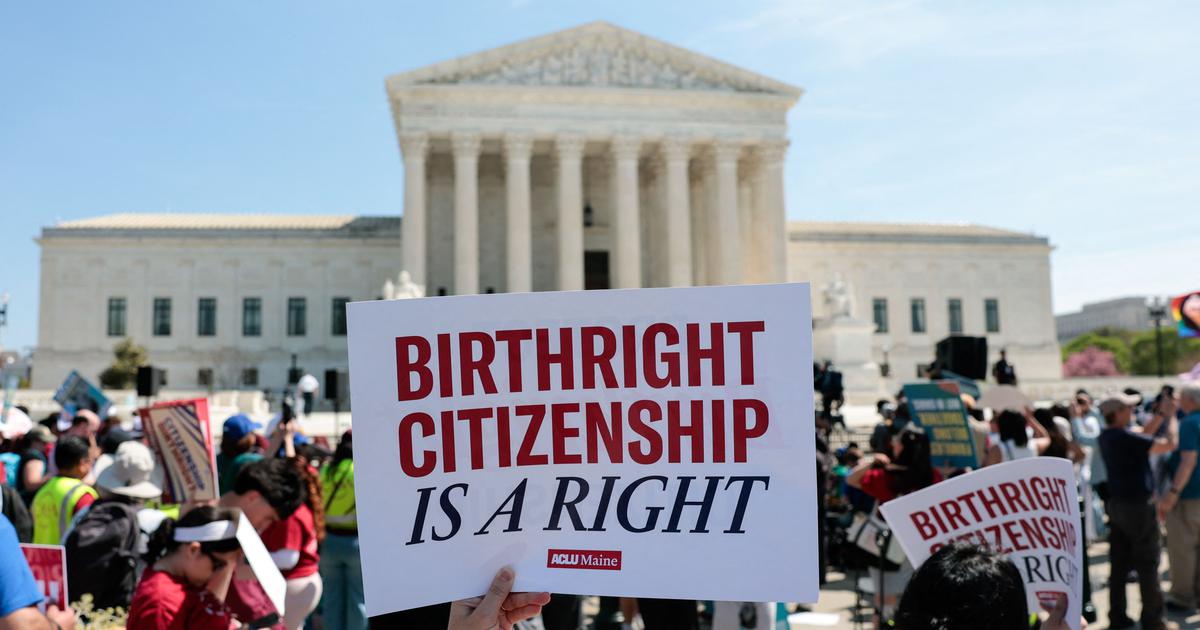
- The Supreme Court on June 30, 2026, is protected by the citizenship clause of the US Constitution, meaning that nearly all babies born in the United States automatically become American citizens, regardless of their parents’ immigration status.
- The ruling rejects an order signed by Trump that sought to end birthright citizenship for the children of parents present in the country illegally and for tourists visiting only temporarily.
- Roberts concludes the ruling with the statement that 'Citizenship, then and now, was ' to freely participate in our political community.'
- The Declaration of Independence established not only the importance of individual rights, but also the equality of all in holding those rights.
- Roberts explains that 'the story of citizenship in the United States begins with the English common law.'
- Roberts summarizes that 'What the Court held in Wong Kim Ark was simple: and granted citizenship to nearly all children born in the United States.'
- In the now-controlling interpretation of the Constitution, the American people expanded the nature of citizenship to a more universal and equal footing, in line with the new racial equality the 14th Amendment enshrines.
The Supreme Court's ruling on June 30, 2026, solidifies birthright citizenship, ensuring that nearly all children born in the U.S. are granted citizenship, irrespective of their parents' immigration status.1
Chief Justice John Roberts emphasized that citizenship is fundamental to participating in the political community, stating, “Citizenship, then and now, was – to freely participate in our political community.”356
This decision rejects previous attempts to limit citizenship rights, particularly for children of undocumented immigrants and temporary visitors.
Roberts further noted that the story of citizenship in the U.S. is rooted in English common law, and the Court's interpretation aligns with the principles of the 14th Amendment, which promotes equality and universal citizenship rights.
Warren, a historical figure in expanding constitutional rights, asserted that “Citizenship is man’s basic right for it is nothing less than the right to have rights.”
The ruling reinforces the notion that the Declaration of Independence not only highlights individual rights but also the equality of all individuals in holding those rights, marking a significant affirmation of the values enshrined in American democracy.24
As Roberts summarizes it, “What the Court held in Wong Kim Ark was simple: and granted citizenship to nearly all children born in the United States.”
“The Supreme Court has upheld the principle of birthright citizenship, reinforcing the equality established in the Declaration of Independence. This ruling emphasizes the importance of citizenship as a fundamental right for all individuals born in the United States.”


 Scroll.in



