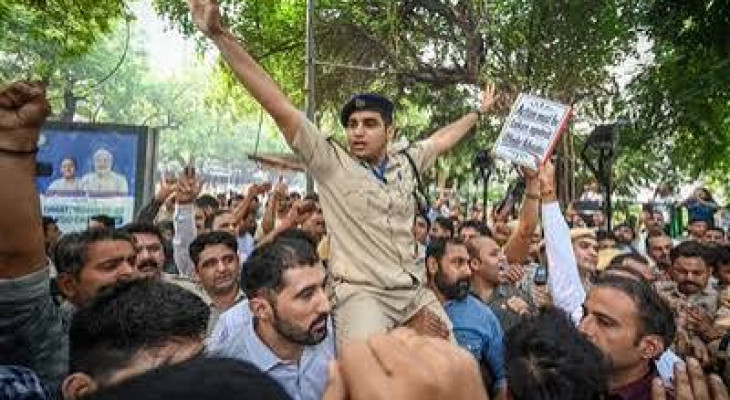
- The Supreme Court ruled that protest sites cannot be occupied indefinitely, emphasizing the need for balance between the right to protest and public order.
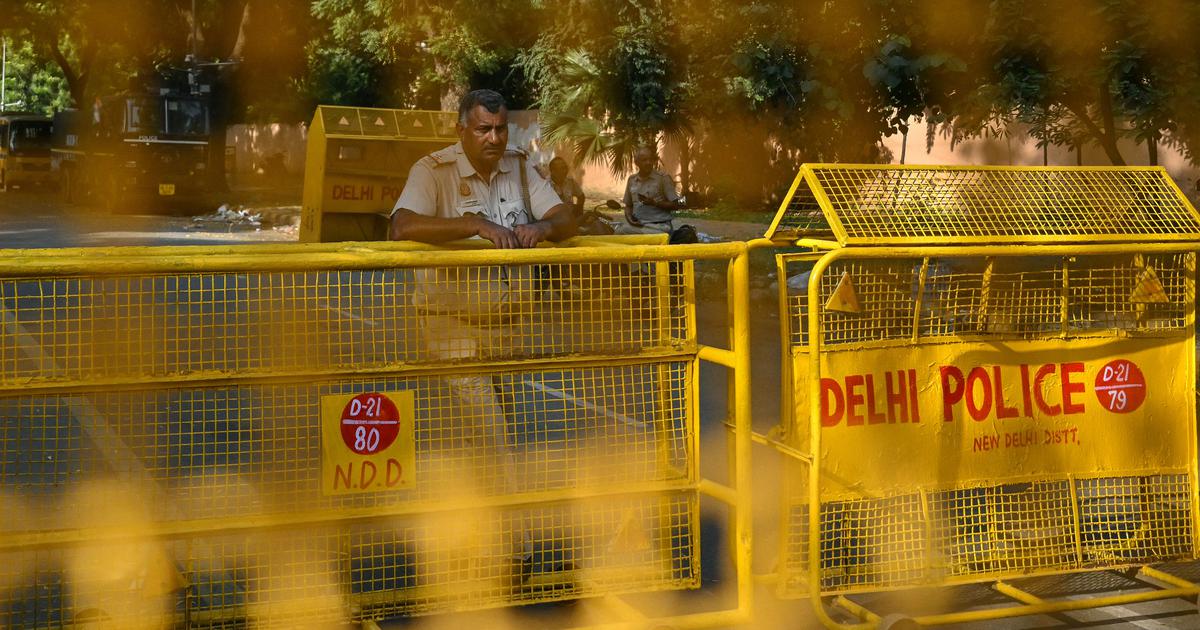
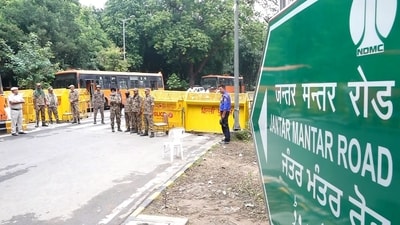
- Delhi Police Commissioner Anurag Kumar argued that Jantar Mantar is a ‘public road’, not a designated protest site, and that no one can insist on a fundamental right to protest at a particular place.
- The police chief stated that the location is a stretch of public road meant for free movement, and its designation as a protest site was inappropriate.
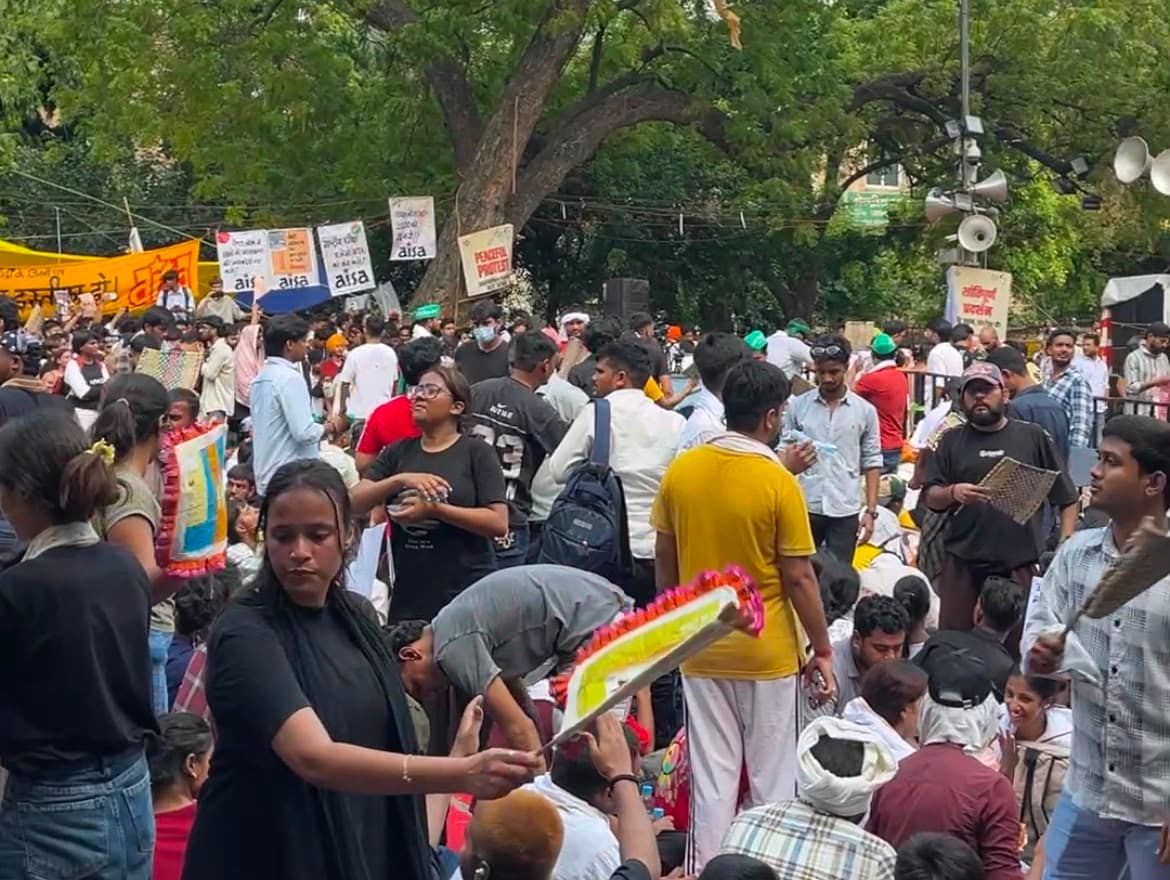
- The July 20 NEET-UG protests exceeded capacity, creating a constant fear of a stampede.
- From August 1 to August 17, Jantar Mantar accounted for 250 distress calls, 109 FIRs for theft, 10 FIRs for motor vehicle thefts, more than 250 property loss claims, and 23 FIRs for public order violations.
- The area around Jantar Mantar hosts 78 foreign embassies/missions, 99 Central government offices, a daily footfall of 1.46 lakh persons, and 7,017 private residences.
- The police chief asserted that the right to dissent and peaceful protest must be balanced against the rights of others, and protests should not disturb non-protesting citizens.
- He stated that the right to protest at a particular place is not a fundamental right, and it does not confer an absolute right to a particular person.
The Supreme Court has clarified that protest sites cannot be occupied indefinitely, emphasizing the need for public order and safety.1
Delhi Police Commissioner Anurag Kumar argued that Jantar Mantar is a public road, not a designated protest site, stating that its identification as such is contrary to public interest. He noted that the area witnesses nearly 1,300 protests annually, which compromises emergency services and general security.2
Kumar highlighted that from August 1 to August 17, the stretch accounted for 250 distress calls, 109 FIRs related to theft, and numerous public order violations. He stressed that the right to protest must be balanced against the rights of other citizens, asserting that protests cannot disturb non-protesting citizens or residents nearby.5
The police chief pointed out that the area around Jantar Mantar hosts 78 foreign embassies, 99 Central government offices, and a daily footfall of 1.46 lakh persons, making it crucial to maintain its accessibility for public use. He concluded that the right to protest does not confer an absolute right to occupy a specific location indefinitely.6
“The stretch hosts 78 foreign embassies and 99 Central government offices, with 1.46 lakh daily footfall. Police cite 250 distress calls and 109 theft FIRs from August 1-17, and the July 20 NEET-UG protests raised stampede fears.”