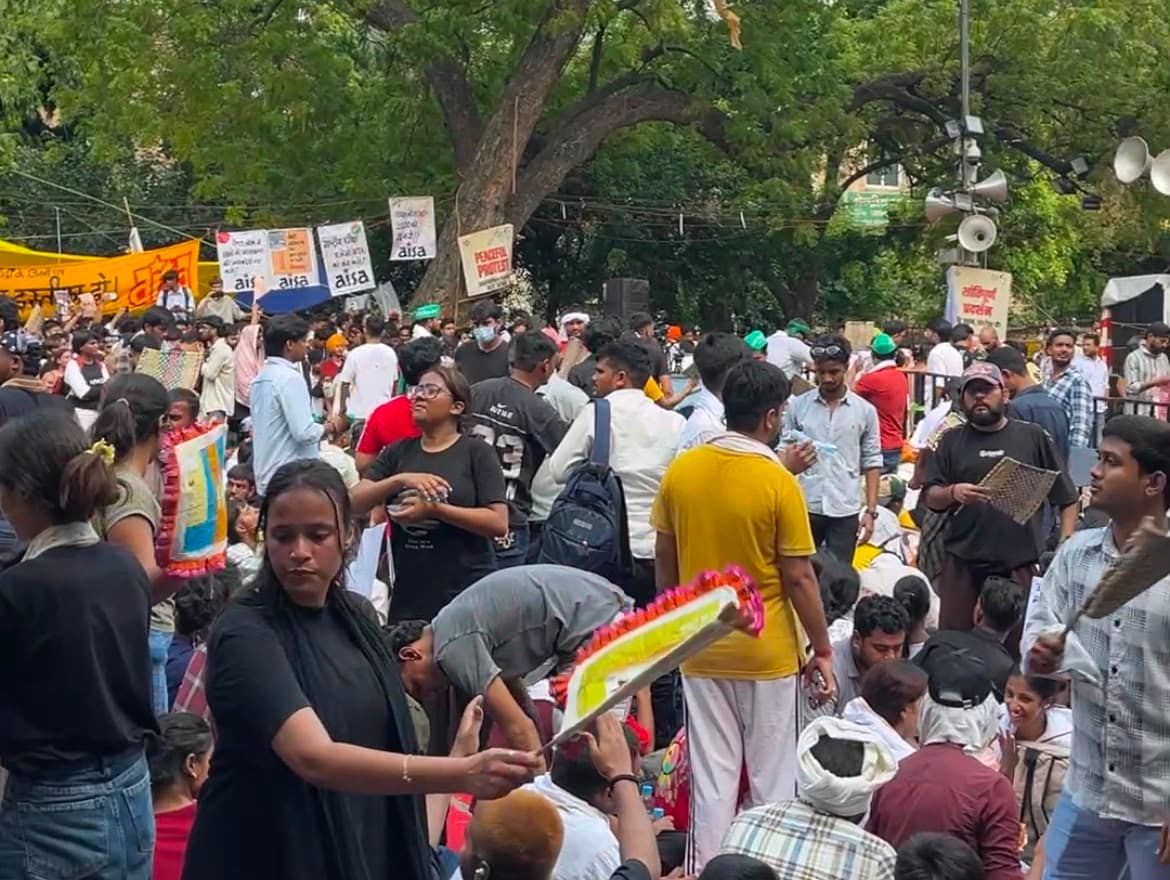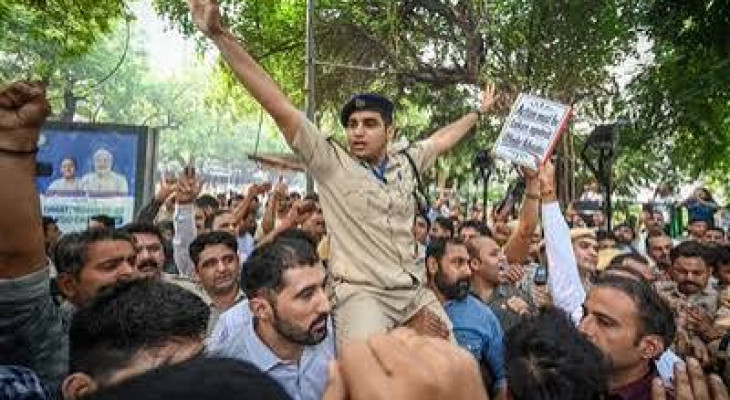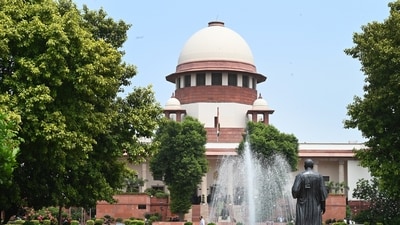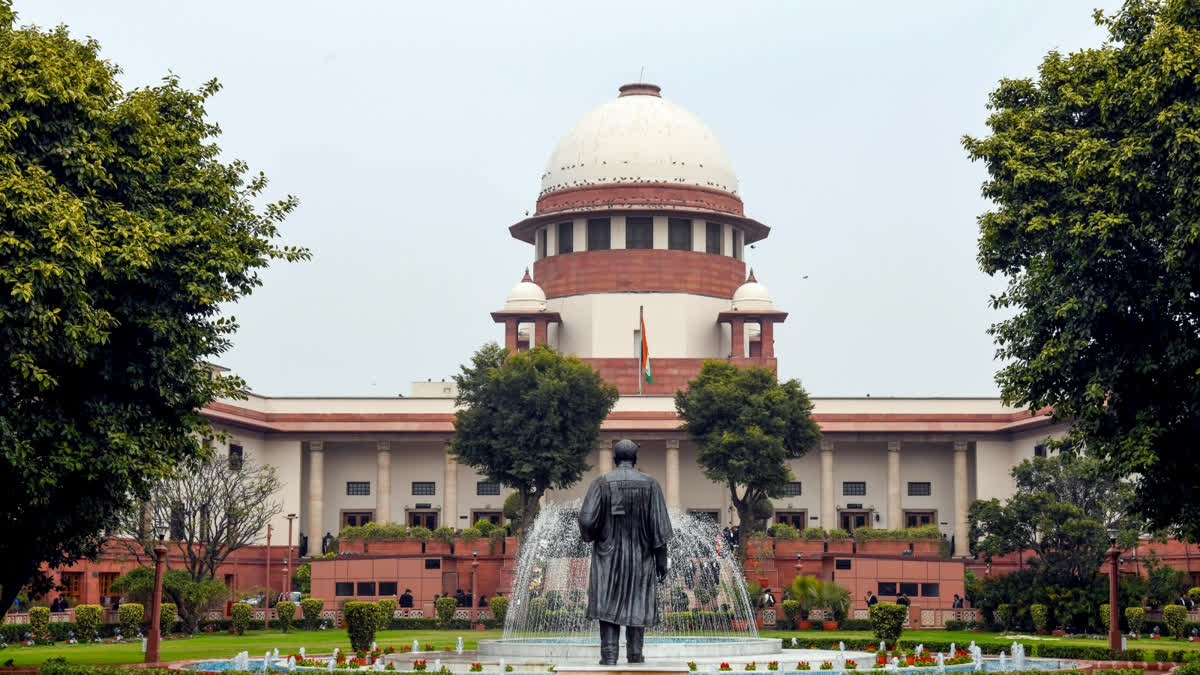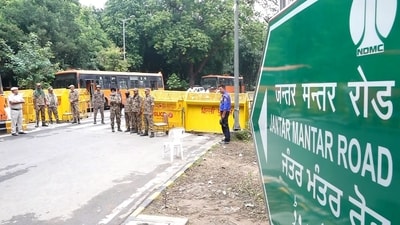
- The Supreme Court heard petitions from traders' bodies, including the Kirana Committee Delhi, who said prolonged demonstrations disrupted business and affected livelihoods, particularly during the festive season.
- The court acknowledged competing rights: the right to protest and the right to trade and earn livelihood, and said the way forward was to identify public spaces for demonstrations without hampering others' ability to earn their livelihood.
- The court is examining the controversy over the Delhi Police decision to denotify Jantar Mantar as a designated protest site and shift demonstrations to Ramlila Ground, Burari Ground and CBD Ground, and has issued notice on a challenge to that decision.
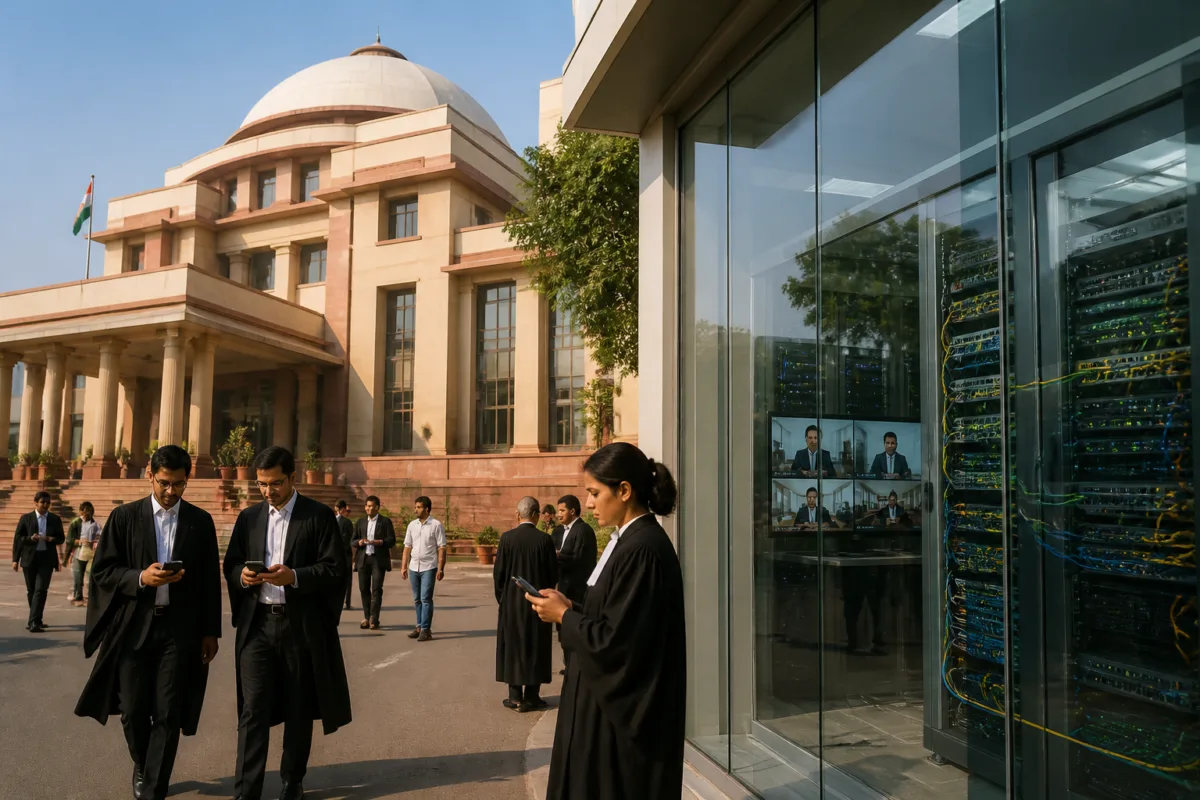
- The court also addressed surveillance concerns, noting that the issue could not be reduced to the mere presence of CCTV cameras, and that it would examine whether the use of technology to identify individuals and match images against databases affected privacy and was backed by a legitimate state aim.
The Supreme Court has clarified that the right to protest cannot infringe upon the rights of others, stating that no group can occupy a designated protest site indefinitely.12
The bench, led by Chief Justice Surya Kant, emphasized that “you cannot occupy a protest site indefinitely” and highlighted the necessity for a “designated period” for protests to ensure that others can also utilize public spaces for their needs.
This ruling comes amid challenges from traders in Delhi, who argued that prolonged protests disrupted their businesses and livelihoods, particularly during festive seasons. The court noted that “these are two competing claims”—the right to protest and the right to trade.
Solicitor General Tushar Mehta pointed out that a demonstration initially permitted for one day extended to 17 days without proper authorization, raising concerns about the management of protest sites.
The court is also reviewing the Delhi Police's decision to relocate protests from Jantar Mantar to other venues, questioning whether this decision was made with adequate consideration of public needs.56
The ruling aims to strike a balance between the constitutional right to protest and the necessity for public order and economic activity, ensuring that public spaces remain accessible for all.
“It is a competing right -- your right to trade, business and earn livelihood and someone’s right to protest peacefully,” the court stated, underscoring the importance of identifying suitable public spaces for demonstrations without hindering others' ability to earn a living.
“The court is examining Delhi Police's decision to denotify Jantar Mantar as a protest site and shift demonstrations to Ramlila Ground, Burari Ground and CBD Ground. It also flagged surveillance concerns, saying it would examine whether technology matching images against databases affects privacy and is backed by a legitimate state aim.”