- The October 11 order removing Jantar Mantar from designated protest sites was based on the venue’s limited capacity and followed a committee recommendation from the Union home ministry.
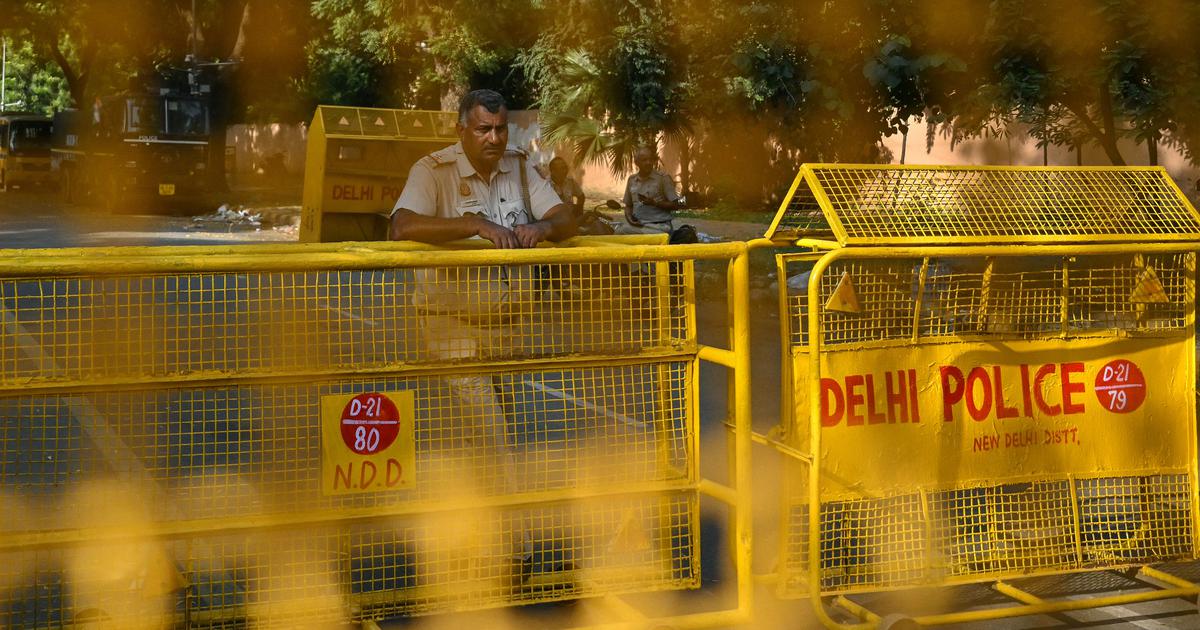
- Police commissioner Anurag Kumar stated that Jantar Mantar should never have been designated as a protest venue, responding to a petition against its de-notification.
- The Supreme Court ruled that protest sites cannot be occupied indefinitely.
- Another reason for the de-notification is Jantar Mantar’s proximity to government institutions and foreign embassies, as stated by Kumar.
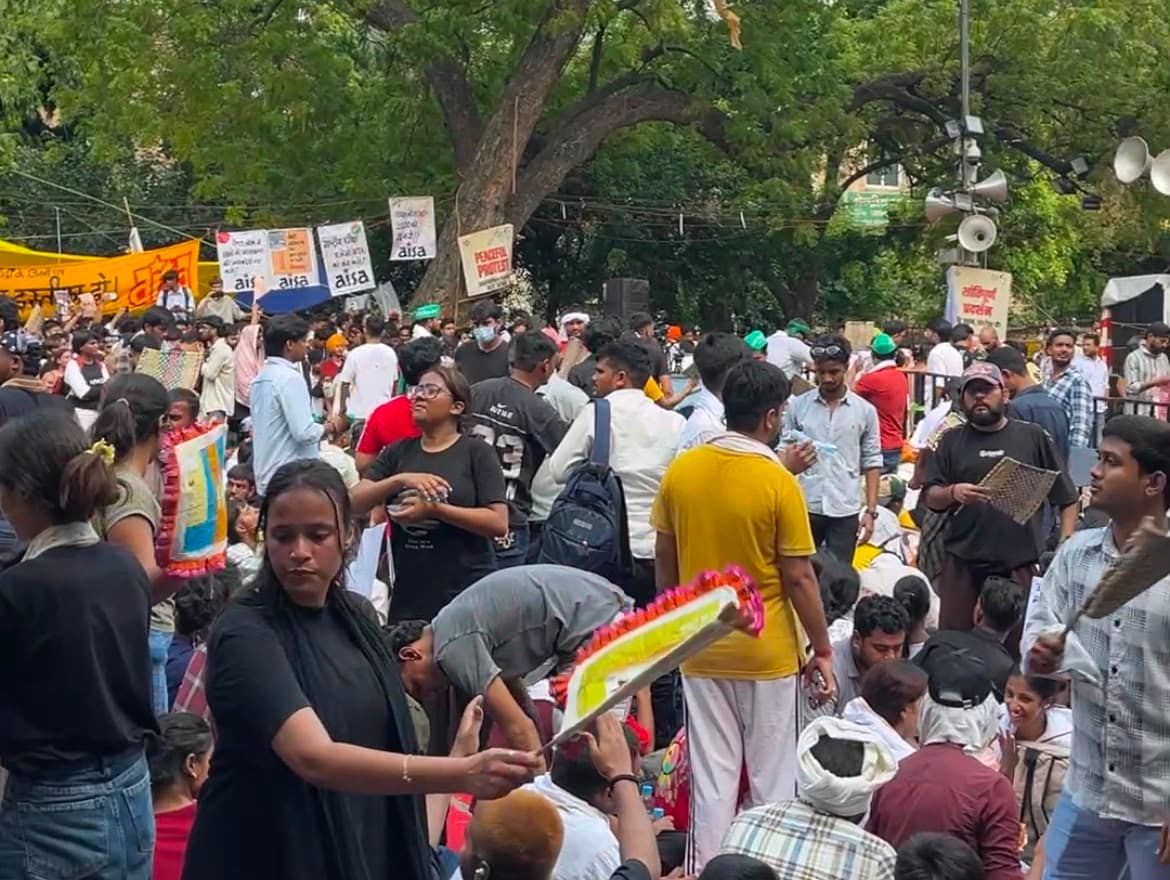
- Police highlighted that Jantar Mantar can only accommodate 1,500 persons, and a protest by the Cockroach Janta Party in July far exceeded that capacity.
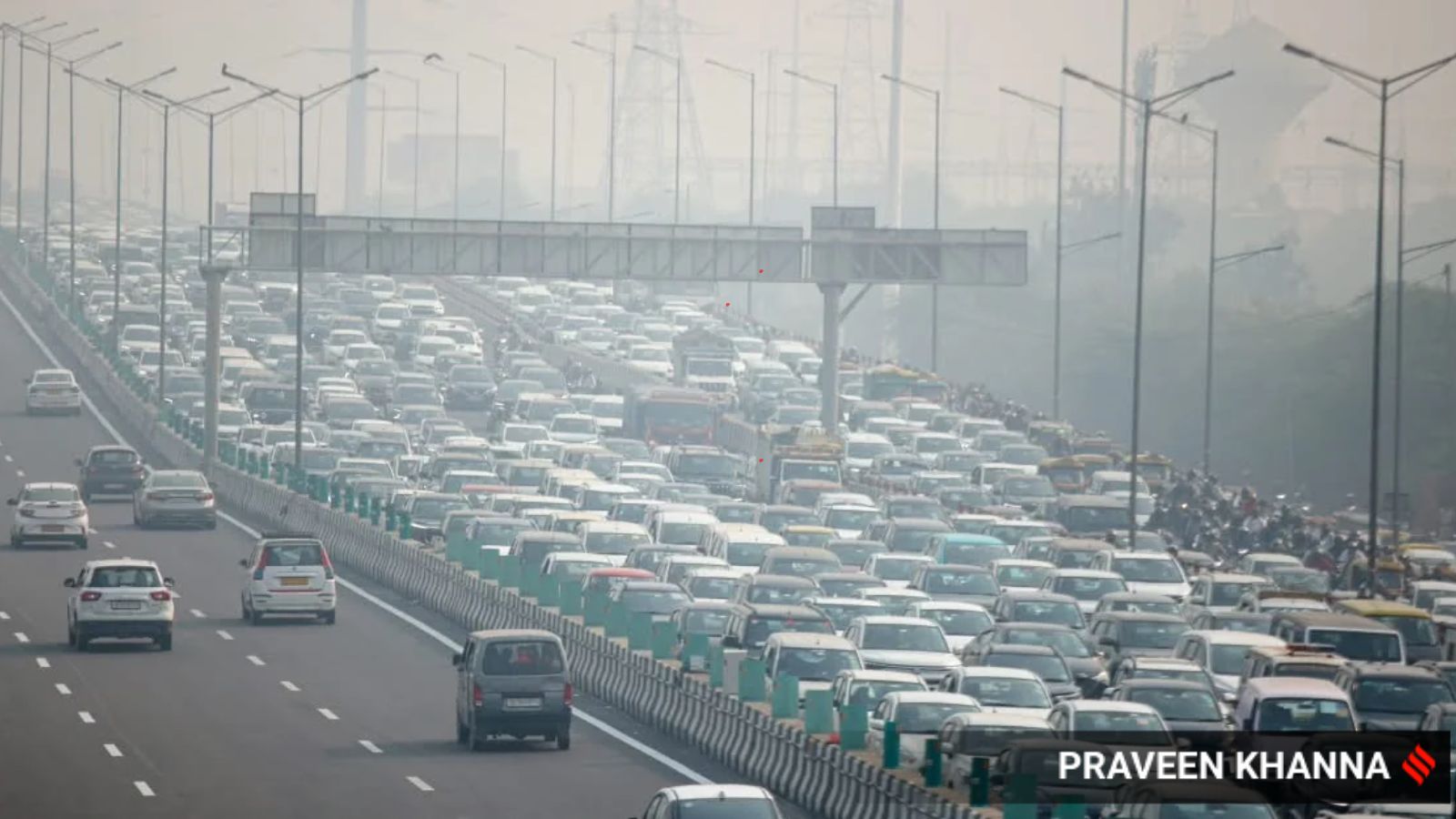
- Within a three to four km radius of the site, there are 78 embassies and 99 Union government offices, with a combined daily footfall of over 1.4 lakh.
- The police claimed that the denotification had been under consideration for a considerable period due to public order and safety concerns.
- Petitioners contended the police decision violated fundamental rights to free speech and peaceful assembly, while police argued no fundamental right exists to protest at any particular site.
- The affidavit argued that in the digital and social media era, geographical proximity to the seat of government is redundant for protest sites.
The Supreme Court's recent ruling emphasizes that protest sites cannot be occupied indefinitely, a decision that comes amid Delhi Police's assertion that Jantar Mantar should not have been a designated protest venue.4
Delhi Commissioner of Police Anurag Kumar stated, “It should never have been designated as a venue for protests,” in response to a petition challenging the site's de-notification.3
In an affidavit, Kumar explained that the October 11 order to remove Jantar Mantar from the list of designated protest sites was due to its limited capacity of 1,500 persons, which was exceeded during a protest by the Cockroach Janta Party in July.126
The police also highlighted the site's proximity to 78 embassies and diplomatic missions and 99 Union government offices, which collectively see a daily footfall of over 1.4 lakh people within a three to four km radius.7
Kumar noted that the decision was based on recommendations from a committee formed by the Union home ministry, citing “increasing concerns relating to public order as well as public safety.” The police argued that the petitioners “cannot claim a fundamental right to insist upon exercising their right to protest at any particular site,” as reported by *Live Law*.
The petitioner contended that the police's decision violated fundamental rights to freedom of speech and peaceful assembly, raising significant legal and social implications for protest rights in India.910
“The affidavit argued that in the digital and social media era, geographical proximity to the seat of government has become redundant. Police cited that 78 embassies and 99 Union government offices with a daily footfall of over 1.4 lakh are within a three to four km radius of Jantar Mantar.”
 Scroll.in