- The Supreme Court on Monday rejected, 5-4, Republicans’ attempt to limit which mail ballots can be counted, an effort which would have unleashed chaos and disenfranchised voters for the 2026 midterms and beyond.
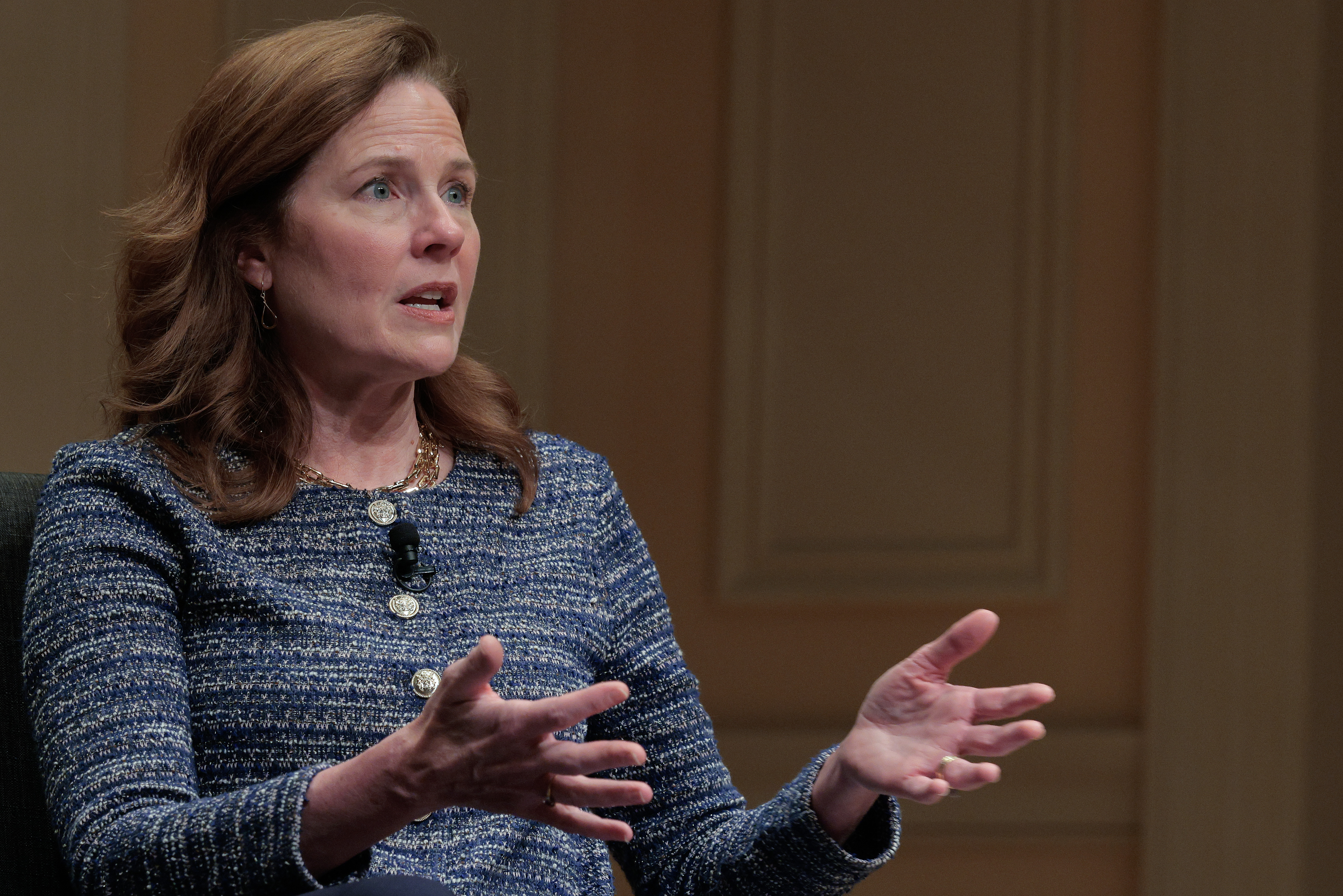
- Justice Amy Coney Barrett wrote for the majority that the federal election-day statutes do not prevent Mississippi from counting absentee ballots postmarked by election day but received up to five days thereafter.
- The RNC argued that federal statutes establishing election 'day' bar officials from counting ballots that were mailed timely but arrive days later.
- Justice Barrett noted that plaintiffs do not contend that everything must occur on election day.
- In her remarks, Barrett expressed concerns that upholding Mississippi’s law could allow party bosses or others to control ballot collection.
- In dissent, Alito argued that Election Day means the date by which the electorate’s choice needs to be made, including the casting and collecting of ballots.
- Alito warned that allowing absentee ballots to arrive after election day creates greater opportunity for fraud and risks undermining public confidence in election integrity.
- Alito also stated that a prohibition on counting late-arriving ballots would provide an additional hurdle for bad actors seeking to stuff ballot boxes.
The Supreme Court's recent ruling allows absentee ballots postmarked by election day to be counted up to five days later, rejecting a Republican challenge that could have disenfranchised voters.124
Justice Amy Coney Barrett, writing for the majority, stated, “The federal election-day statutes do not prevent Mississippi from counting absentee ballots postmarked by election day but received up to five days thereafter.” This decision is crucial for maintaining voter access in upcoming elections, particularly the 2026 midterms.
The Republican National Committee argued that federal statutes bar counting ballots that arrive after election day, claiming it undermines election integrity. However, Barrett countered, “Although the election-day statutes refer to a particular ‘day’ for the election, plaintiffs do not contend that everything must occur on that day.”
Dissenting Justice Samuel Alito expressed concerns about potential fraud, stating, “Allowing absentee ballots to pour in over the days and weeks after election day... creates greater opportunity for fraud and risks further undermining the public’s confidence in election integrity.” He argued that the electorate's choice should be made by election day, including the casting and collecting of ballots.67
This ruling is seen as a significant victory for voting rights advocates, ensuring that mail-in ballots remain a viable option for voters in future elections.
“The Supreme Court rejected a 5-4 decision against Republicans' effort to limit mail ballot counting, which could have affected the 2026 midterms. Justice Barrett stated that federal statutes allow counting absentee ballots received up to five days after election day.”






