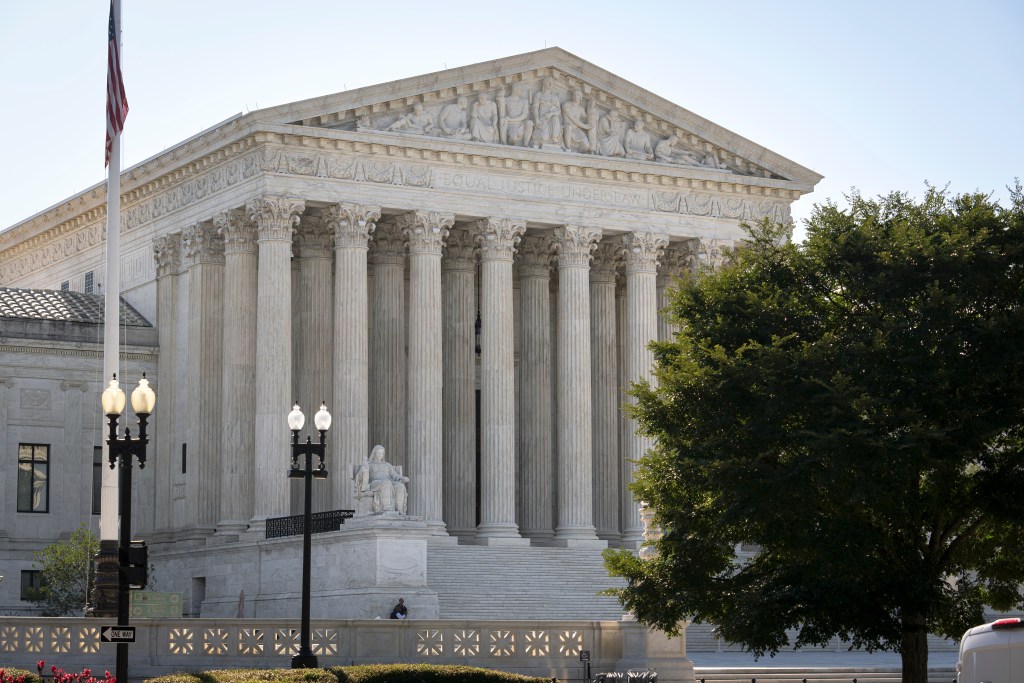
- The U.S. Supreme Court issued a decision granting the Trump administration permission to aggressively vet states’ voter rolls for noncitizen voting, using an expanded federal database that combines immigration status with Social Security data, despite a history of false positives.
- The decision limits the database’s use to individualized voter inquiries rather than mass purges, but it hinges on the Trump administration and GOP-led states actually following the law.
- The Court’s conservative majority ruled that the federal government has an overriding right to assist states in safeguarding elections against noncitizen voting, over objections from voting rights groups who argued the approach violates federal privacy laws.
- In Nevada, DHS initially flagged nearly 16,000 suspected noncitizens, but after a meeting, a DHS official admitted there had not been a full manual review; later, DHS said it confirmed 185 were not U.S. citizens, but Nevada’s Deputy AG wrote that all 185 were lawful U.S. citizens.
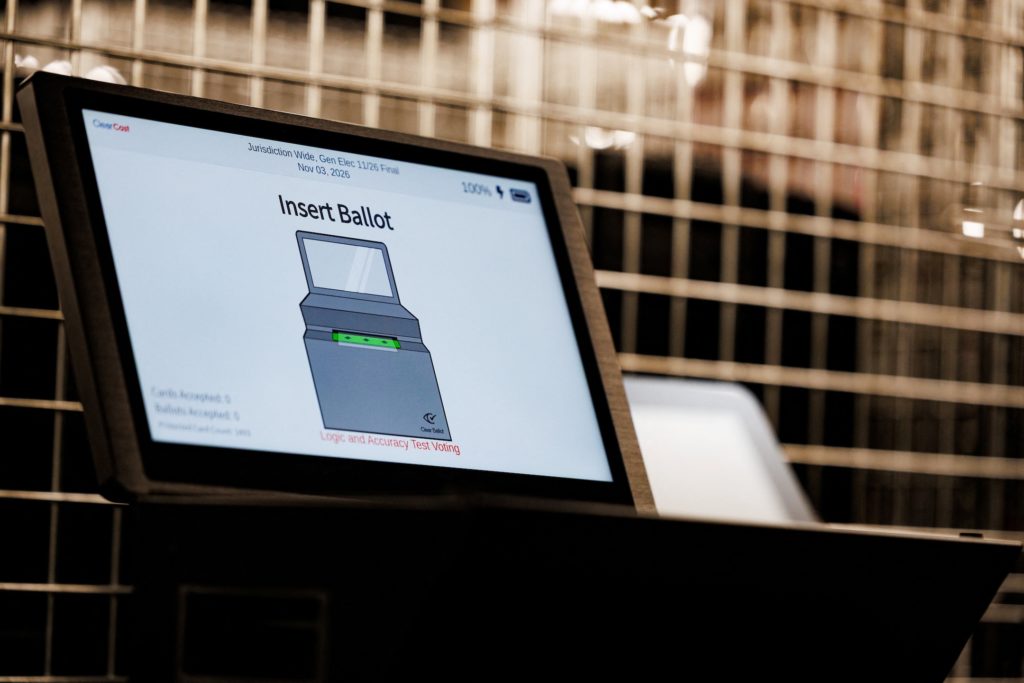
- DHS ran close to 50 million voter files through the expanded SAVE program, identifying about 10,000 potential noncitizens—just 0.02% of registered voters—and the Brennan Center warned that large-scale data matching always carries false positives, requiring investigation before removal.
The U.S. Supreme Court's recent ruling allows the Trump administration to use the SAVE database for voter screening, focusing on individualized inquiries.12
This decision comes amid concerns over privacy and accuracy, as the database has a history of misidentifying voters.
Solicitor General John Sauer stated that the database does not disqualify voters but merely informs states about citizenship verification.
Critics argue that the federal government lacks authorization to create a comprehensive citizenship database, which could jeopardize millions of Americans' privacy and voting rights.
The SAVE database, originally designed for social service eligibility, has been expanded under Trump's directive to assist states in verifying voter registration.
In Nevada, DHS identified nearly 16,000 individuals as potential noncitizens, but a review revealed that only 185 were confirmed noncitizens, a claim disputed by state officials.5678
Data from January indicated that DHS flagged about 10,000 voters as potential noncitizens, representing just 0.02% of the total registered voters.
The Brennan Center for Justice warns that large-scale data matching can lead to false positives, emphasizing the need for thorough investigations before removing flagged voters from rolls.
“The ruling comes as DHS ran close to 50 million voter files through the expanded SAVE program, flagging about 10,000 potential noncitizens—just 0.02% of registered voters. In Nevada, DHS initially flagged nearly 16,000, but after review, all 185 confirmed were lawful U.S. citizens, per the state's deputy attorney general.”