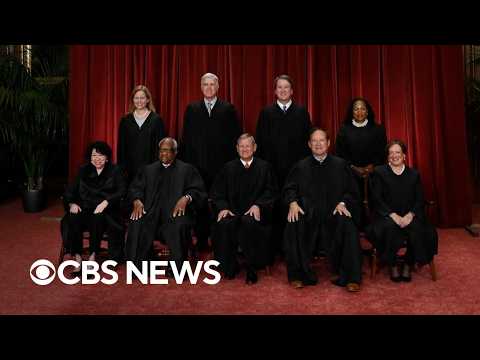
- The Supreme Court denied an emergency request to require California to set aside mail ballots from roughly 20,000 registered voters flagged as likely noncitizens.
- The 9th Circuit briefly lifted a block on the Trump administration’s efforts to investigate alleged voting by noncitizens in California, then reversed course hours later, sending the dispute to the full 11-judge panel for rehearing.
- The full 9th Circuit vacated the panel ruling and restored district court restrictions while the full court considers the dispute.
- Labor unions and civil rights groups, including the NAACP and the League of United Latin American Citizens, filed a case alleging that DOJ and DHS letters to election officials amounted to intimidation.
- A San Francisco federal judge issued a temporary restraining order barring the administration from making further requests to set aside ballots under threat of prosecution.
- The three-judge panel stated that the government was likely to prevail in arguing that its requests and criminal investigations were core executive functions.
The Supreme Court's recent decision to deny the Trump administration's emergency request to set aside California ballots linked to approximately 20,000 registered voters flagged as likely noncitizens underscores the ongoing legal battles over election integrity.1
Earlier, the 9th Circuit Court of Appeals briefly lifted a block on the investigation into noncitizen voting before reversing its decision, sending the case back to the full court for further review.2
The Justice Department had argued that the ballots should be separated and not counted until investigations confirmed the voters' citizenship status, claiming that “once California commingles the challenged ballots with lawful ones, there is no way to get the challenged ballots back,” as stated in their request to the Supreme Court.
The temporary restraining order issued by a San Francisco judge had initially barred the administration from making further requests regarding the ballots, citing potential intimidation of state and local election officials.4
First Assistant U.S. Attorney Bill Essayli defended the administration's actions, stating, “Conducting criminal investigations is a core function of the executive branch, not the judiciary.” He emphasized the need for confidence in elections, asserting that “the preferred remedy for election law violations is criminal prosecution.”
The case has drawn opposition from labor unions and civil rights groups, including the NAACP and the League of United Latin American Citizens, who argue that the federal actions amount to intimidation against election officials.
“The administration had demanded California separate ballots from roughly 20,000 flagged voters and withhold counting until citizenship is verified, but state officials rejected the probe without review. DOJ warned that once ballots are commingled, there is no way to retrieve them, and vowed to continue prosecuting election law violations under Operation Protect the Vote.”


 Fox News