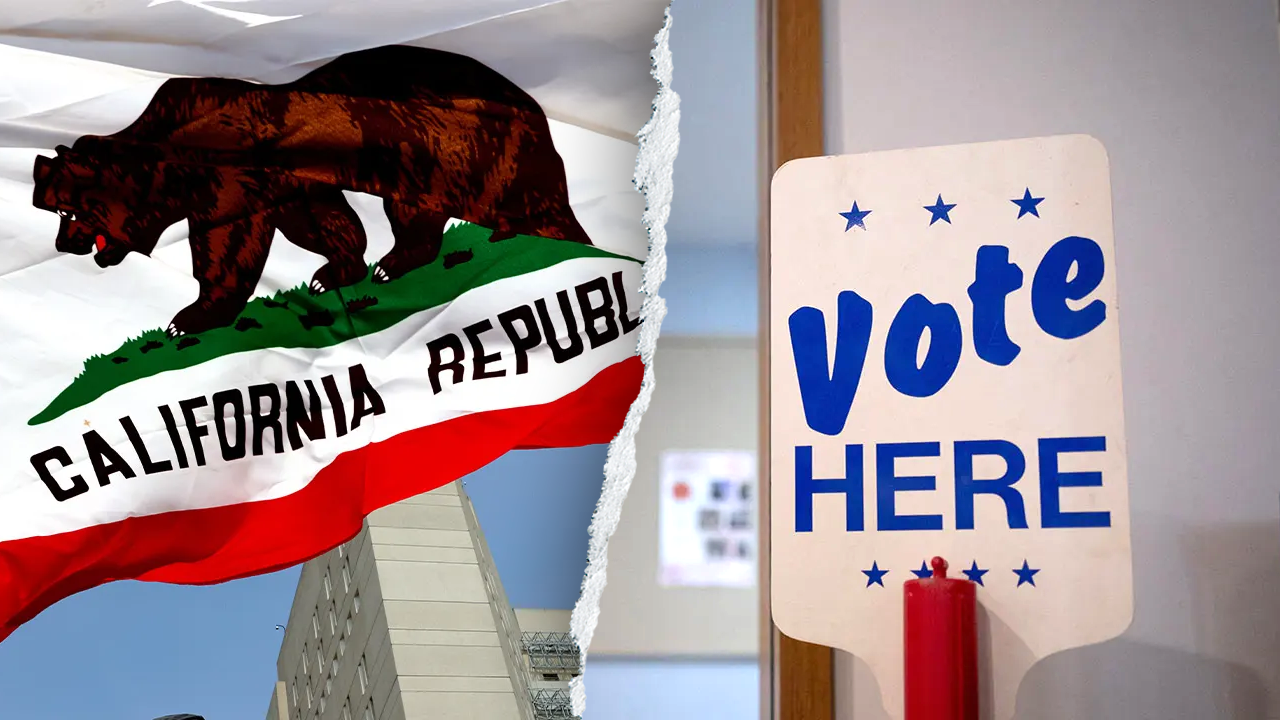
- The U.S. Supreme Court on Monday rejected a Trump administration request to temporarily block lower-court rulings that denied requests to segregate more than 20,000 California mail-in ballots cast by people it says are likely not U.S. citizens.
- Justice Elena Kagan denied the appeal on the eve of the elections without comment, and did not refer it to the other justices.
- The administration argued that the limited injunction would preserve the ballots while their eligibility is investigated, without canceling any votes.
- The high court refused to intervene in a case involving 20,000 people the Republican administration flagged as likely non-citizens on the largely Democratic state's voter rolls.
- No justices publicly dissented in the Supreme Court's decision.
- On Monday evening, Chief Judge James Boasberg in Washington, D.C. issued an injunction blocking the administration from making requests to California over mail-in ballots, citing a likely violation of the Elections Clause.
- The case stems from an Oct. 15 lawsuit alleging that California is impeding enforcement of a federal law barring noncitizens from voting in federal elections.
- California says its safeguards against noncitizen voting are robust and argues the federal list may contain errors that could disenfranchise eligible voters.
- The lower courts also cited the state’s authority over election procedures and warned that granting the request could jeopardize the election.
- The administration has faced a remarkable string of losses in court in its push, as well as criticism for waiting until a few weeks before the election to make its demands of California election officials.
- California election officials have said that finding and setting aside the challenged ballots now would be logistically impossible.

The U.S. Supreme Court on Monday rejected a request from the Trump administration to segregate over 20,000 mail-in ballots in California, claiming they were cast by likely non-citizens. The decision, made on the eve of the midterm elections, upheld lower court rulings that emphasized the state's robust safeguards against noncitizen voting.138
Justice Elena Kagan denied the appeal without comment, and the high court did not provide detailed reasoning, which is typical for emergency decisions. The administration argued that segregating the ballots would allow for verification of citizenship without disenfranchising voters. However, California officials contended that the list of flagged voters was filled with errors, potentially disenfranchising eligible voters.24
Lower courts had warned that granting the request could disrupt the electoral process. A district judge noted that segregating ballots would "wreak havoc" on the midterm elections and erode public trust in democracy. The administration's push faced significant legal challenges, with a federal judge in Washington ruling that it likely violated the Constitution by overstepping its authority over state election procedures.9
California Attorney General Rob Bonta criticized the appeal as a desperate attempt to undermine elections, stating, "If the Executive can discount votes and threaten an ongoing election due to unproven allegations, then our democracy is in danger." The Supreme Court's decision reflects a broader trend of legal setbacks for the Trump administration regarding election-related issues.
“The rejection follows a string of losses for the administration, with lower courts citing the state's authority over elections and warning that segregating ballots could disenfranchise legitimate voters. Chief Judge James Boasberg separately ruled Monday that the administration likely violated the Constitution's Elections Clause by overreaching into state election procedures.”

 Fox News