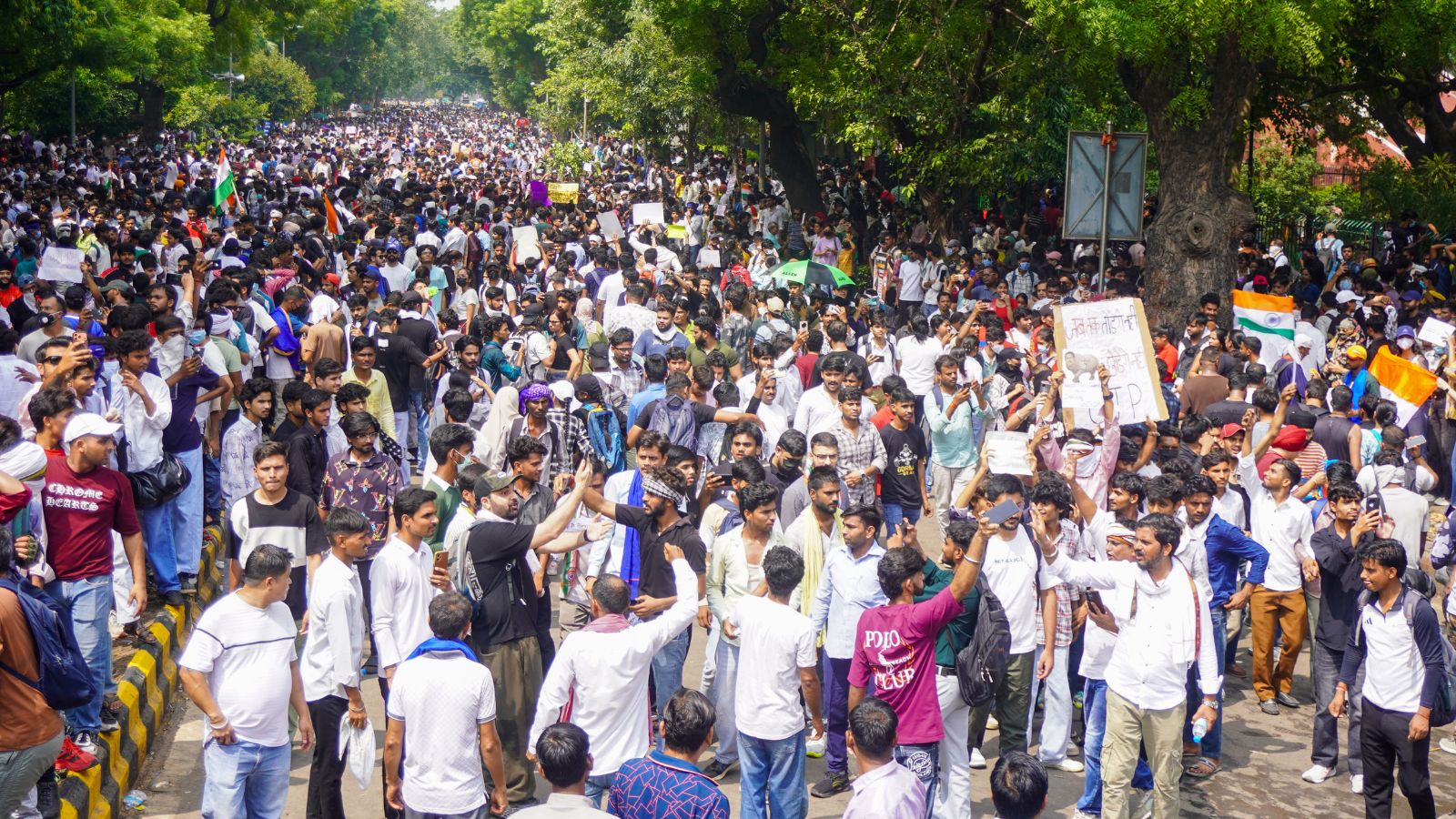
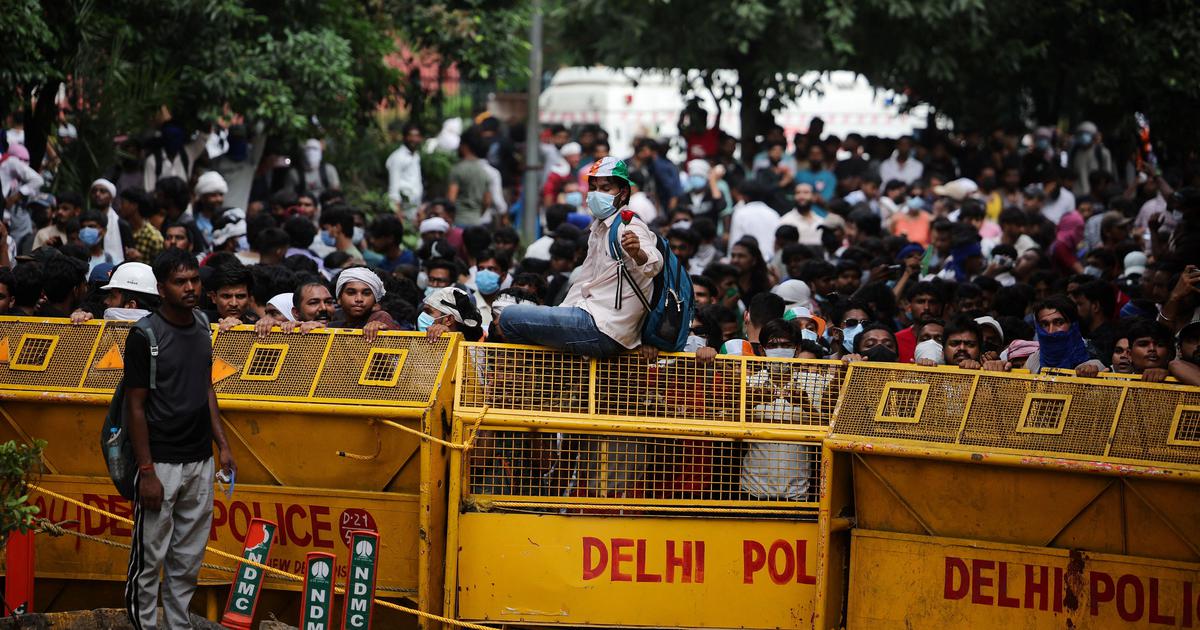
- The Supreme Court is currently debating the police conduct during the NEET-UG protests, with significant focus on the actions taken on July 20 against students.
The Supreme Court is currently deliberating on the police's actions during the NEET-UG protests, particularly the events of July 20, which have been described as comparable to the atrocities of the Jallianwala Bagh. This comparison highlights the serious concerns regarding police conduct and political influence over law enforcement.1
The court's examination is rooted in previous judgments, including a 2006 ruling that warned against the dangers of political control over police forces, stating that it could lead to significant violations of citizens' rights. The 2006 judgment emphasized that reducing police to mere instruments of political power undermines democracy and the rule of law.
The Ministry of Home Affairs (MHA) has a crucial role in overseeing the Delhi Police, as established under Article 239AA of the Constitution. The court has noted that the police commissioner was in constant communication with MHA officials regarding the situation during the protests, indicating a high level of political oversight.
As the hearings progress, the implications of political influence on police actions will be a focal point, with the potential to reshape the understanding of law enforcement's role in maintaining public order amidst protests.
“The Supreme Court's hearings are significantly influenced by the political executive's stance regarding the police's actions during the protests. One petition notably claims that the police's response on July 20 was 'no less than the atrocities of the Jallianwala Bagh,' highlighting the gravity of the situation.”