- The Supreme Court ruled that the National Trust for Historic Preservation lacked standing to challenge the White House ballroom construction, stating that "mere offense, disagreement, or distaste" does not qualify as a concrete injury under Article III.
- The majority explicitly did not foreclose future challenges to the ballroom, stating: "Today, we do not pass upon the legality of the government’s East Wing project."
- The ruling is characterized as a conservative decision, not a pro-Trump one.
- The decision reflects a conservative approach to standing, which generally requires plaintiffs to show concrete harm before courts can act.
- The National Trust for Historic Preservation was not a good plaintiff because its claim rested almost entirely on Hoagland’s impressions.
- If someone can clear the standing threshold, they may have a powerful case that Trump exceeded his authority, as Congress never authorized the project.
- Justice Amy Coney Barrett, who joined the majority, has expressed concern about the inflation of the judicial role and emphasized that not all political disagreements have a judicial solution.
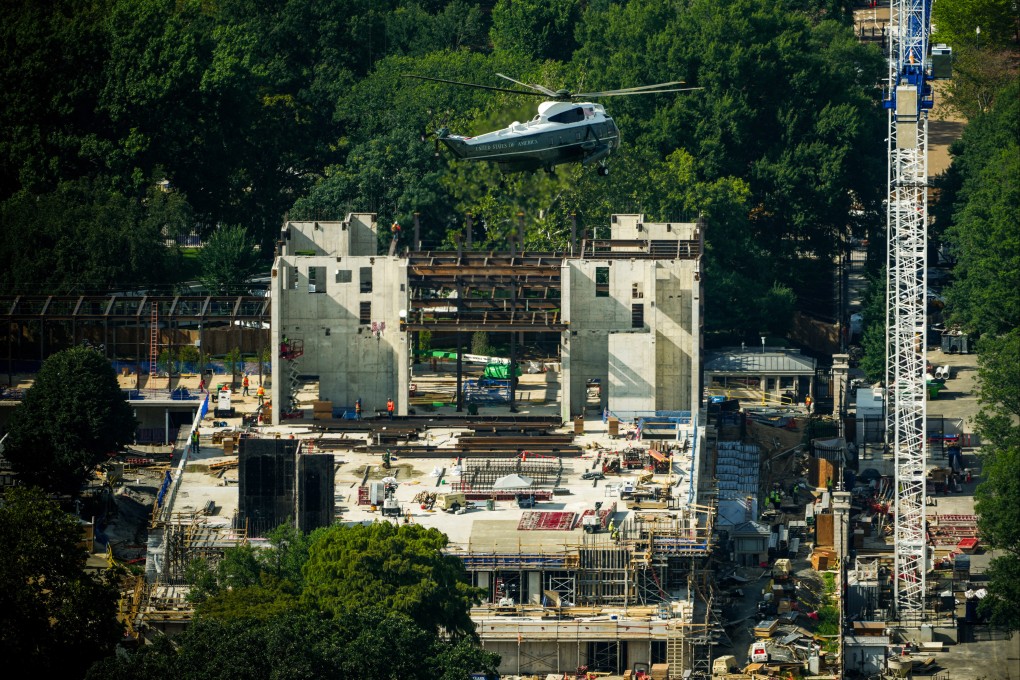
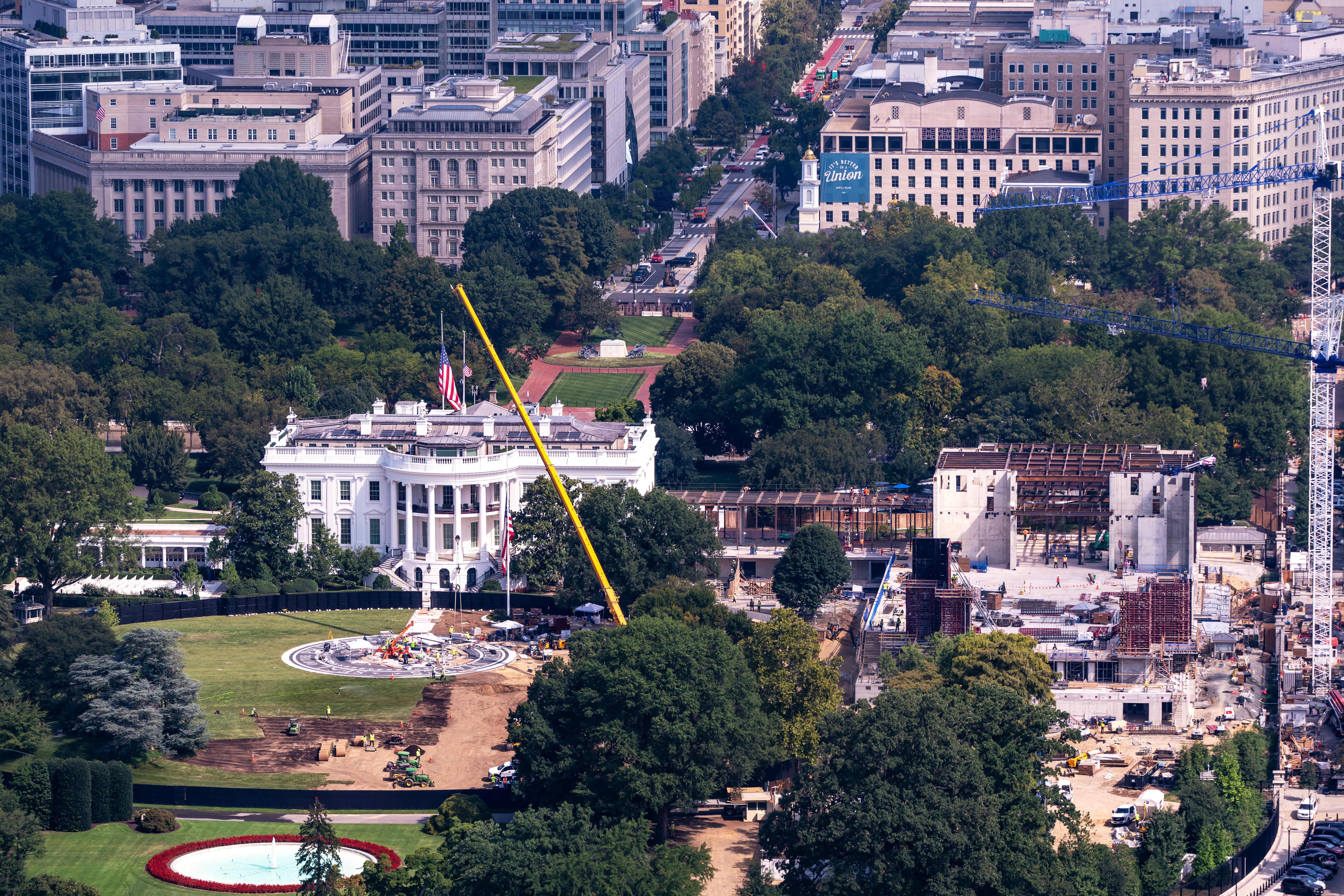
The Supreme Court's recent ruling allows the construction of a White House ballroom to continue, emphasizing that 'mere offense, disagreement, or distaste' does not meet the criteria for concrete injury under Article III. This decision, supported by five conservative justices, highlights a significant stance on legal standing.
The majority opinion noted, “This Court has not found standing in circumstances like these before,” reinforcing the idea that plaintiffs must demonstrate concrete harm for courts to intervene. The dissent, led by Chief Justice John G. Roberts Jr. and three liberal justices, raised concerns about the implications of this ruling.
Justice Amy Coney Barrett, who joined the majority, has previously expressed caution regarding the expansion of judicial power, indicating that not all political disagreements warrant judicial resolution. The ruling does not preclude future challenges, as the majority stated, “Today, we do not pass upon the legality of the government’s East Wing project.” This leaves open the possibility for other plaintiffs to establish standing and challenge the ballroom's construction based on congressional authorization issues.
The case underscores a broader ideological divide, with conservatives advocating for strict standing requirements while liberals tend to support more flexible approaches. The National Trust for Historic Preservation's claim was deemed insufficient, as it relied heavily on subjective impressions rather than concrete evidence of harm.
“The majority, joined by Justice Amy Coney Barrett, emphasized that not all political disagreements have a judicial solution, reflecting a conservative approach to standing. The National Trust's claim rested almost entirely on Hoagland's impressions, and the court explicitly did not pass upon the legality of the East Wing project.”