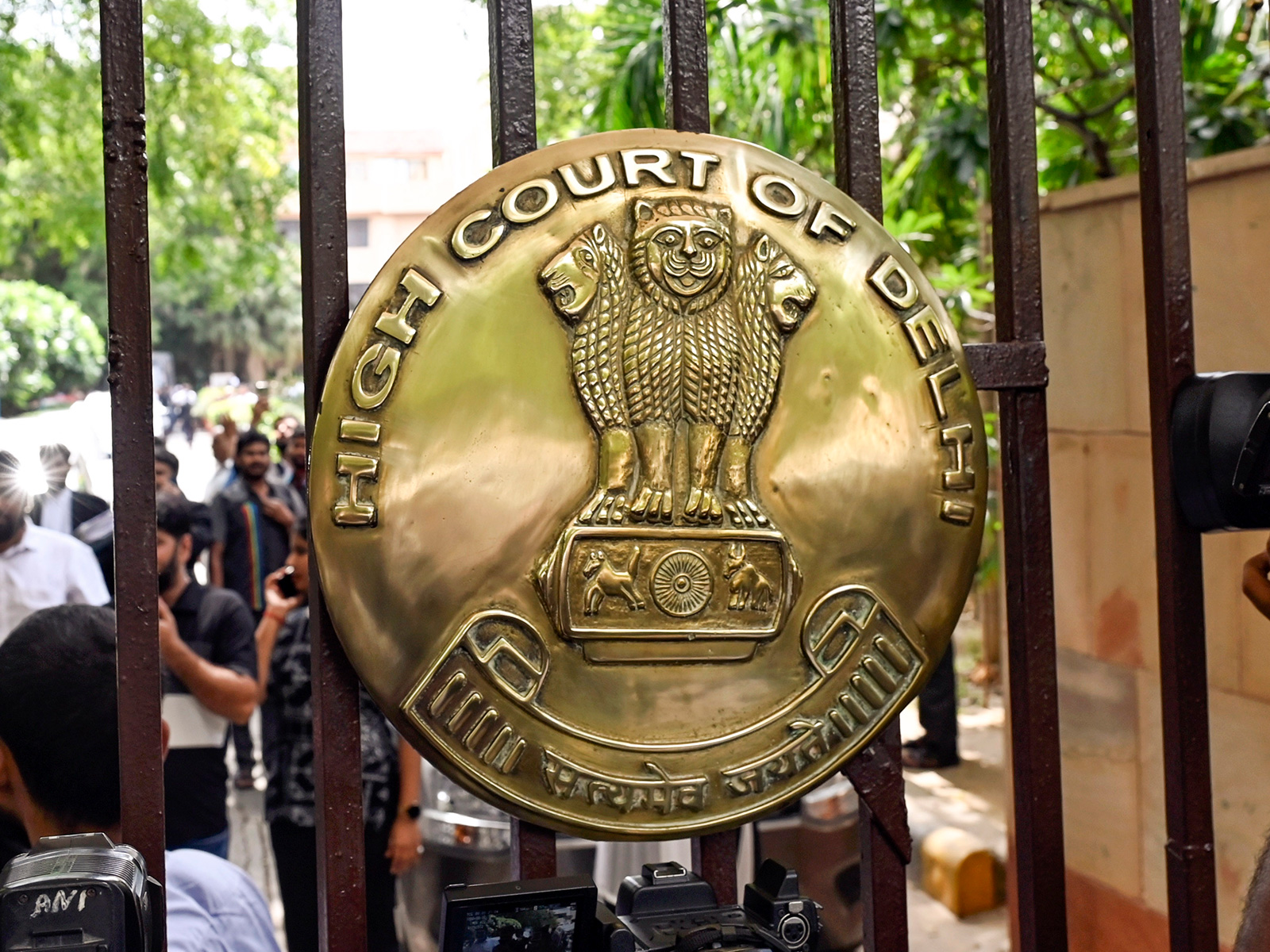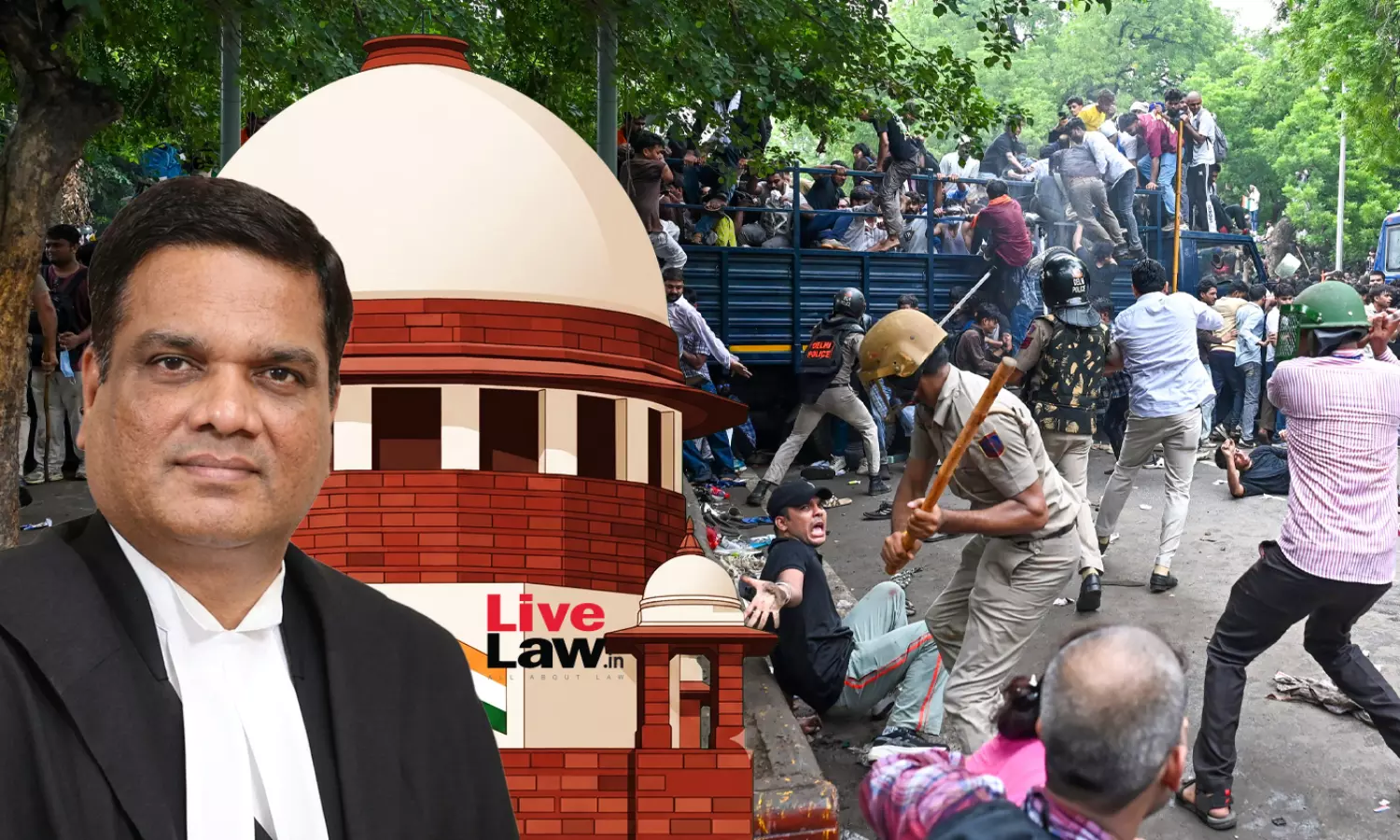
- The Supreme Court has constituted a five-member High-Powered Enquiry Committee (HPEC) to independently examine allegations of violence during the student demonstrations at Jantar Mantar, New Delhi, and other locations across the country last month.
- The HPEC will be chaired by former Supreme Court judge Justice R. Subhash Reddy, with members including former judges and officials.
- The court has directed the HPEC to prioritize allegations of targeted violence and harassment of female protesters and to submit its first interim report at the earliest.
- The Supreme Court ordered the formation of the HPEC on August 20, 2026, following concerns raised about police violence during student protests.
- The matter is next scheduled for consideration on September 10, 2026.
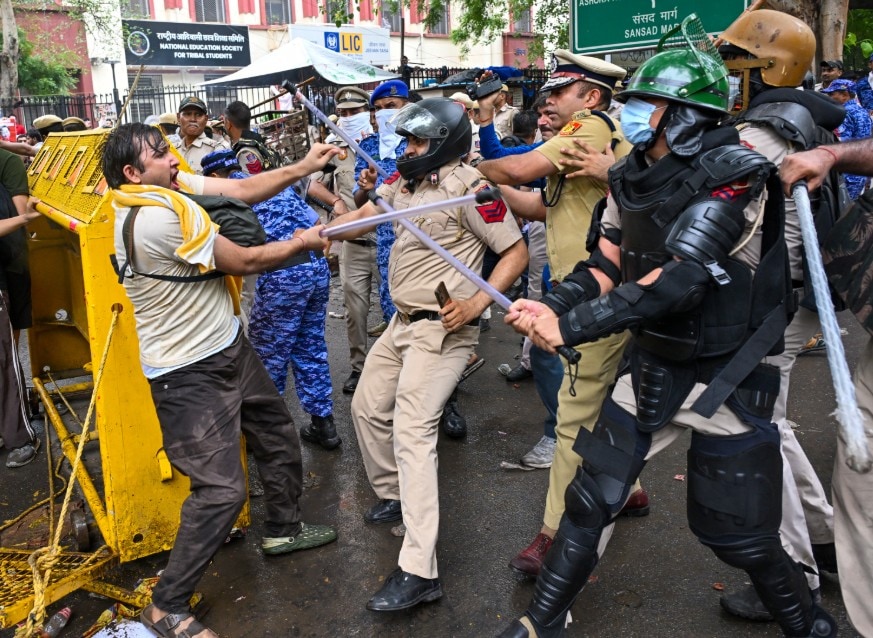
- Student demonstrations occurred at Jantar Mantar and other locations last month, with allegations of violence.
- Petitioners raised concerns about excessive police force, including the use of pellet guns, electric batons, lathi charges, and tear gas, as well as targeted violence against female protesters.
- Respondents cited alleged violence by protesters against police, damage to public property, and injuries to police personnel.
The Supreme Court of India has formed a five-member High-Powered Enquiry Committee (HPEC) to investigate allegations of violence during student protests, particularly focusing on claims against female protesters. The committee, chaired by Justice R. Subhash Reddy, includes notable members such as Justice Ravi Shankar Jha and Rishi Kumar Shukla.124
The HPEC is tasked with examining allegations of excessive police force, including the use of pellet guns and tear gas against demonstrators. The court noted that the petitioners raised a prima facie case for an independent investigation, highlighting the need for accountability in police actions during protests.7
The committee will prioritize allegations of targeted violence and harassment against female protesters, as well as the overall treatment of demonstrators by law enforcement. The court emphasized the importance of ensuring that police responses are proportionate and measured, balancing public order with the constitutional right to peaceful assembly.3

The court's order also mandates that the HPEC conduct a continuous assessment of the issues and submit interim findings, ensuring that the investigation remains thorough and responsive to ongoing concerns raised by both protesters and law enforcement.
The establishment of the HPEC reflects the court's commitment to addressing the complexities of the protests, including the need for proper identification of police personnel during crowd control and the provision of medical assistance to victims of alleged police abuse.
The Supreme Court's decision underscores the critical need for a transparent and impartial investigation into the events surrounding the protests, aiming to uphold the rights of all parties involved.
“The committee will examine allegations of excessive force, including pellet guns and lathi charges, and will also assess damage to public property and injuries to police. The court directed the HPEC to submit its first interim report at the earliest, with the next hearing set for September 10, 2026.”
 Live Law