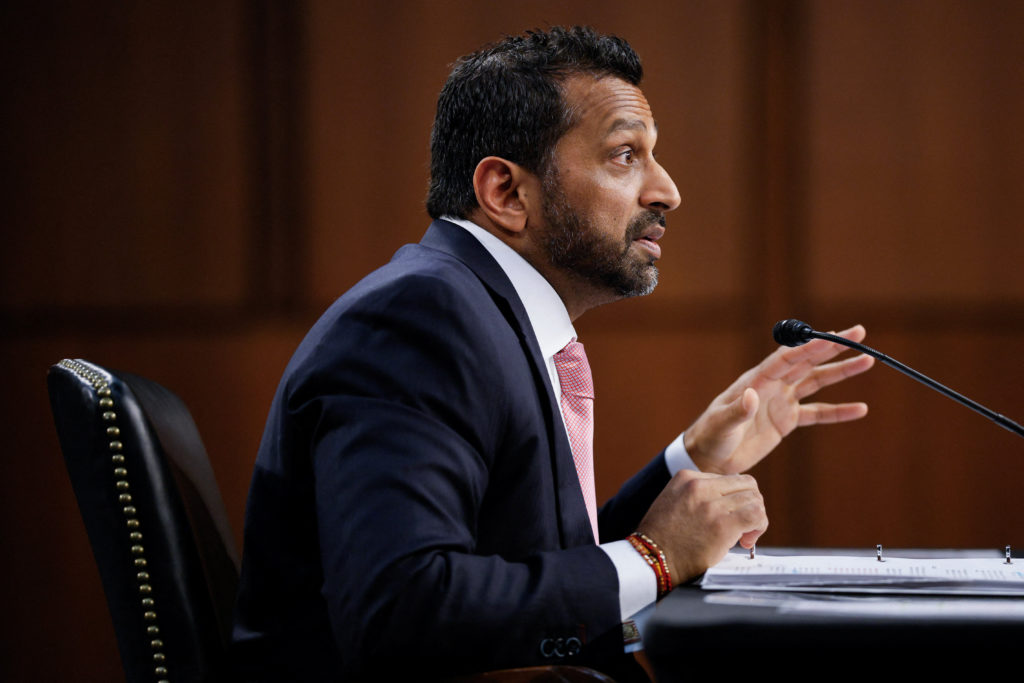
- The Supreme Court's Monday order rejecting President Donald Trump's plan to let the US Postal Service possibly refuse to deliver ballots was cryptic, with a two-sentence order devoid of any underlying legal reasoning.
- Justice Brett Kavanaugh suggested an openness to letting the Postal Service control ballots in the future, possibly for the 2028 election, and wrote in his concurrence that there is at least a fair prospect the final rule falls within the Postal Service’s statutory authority.
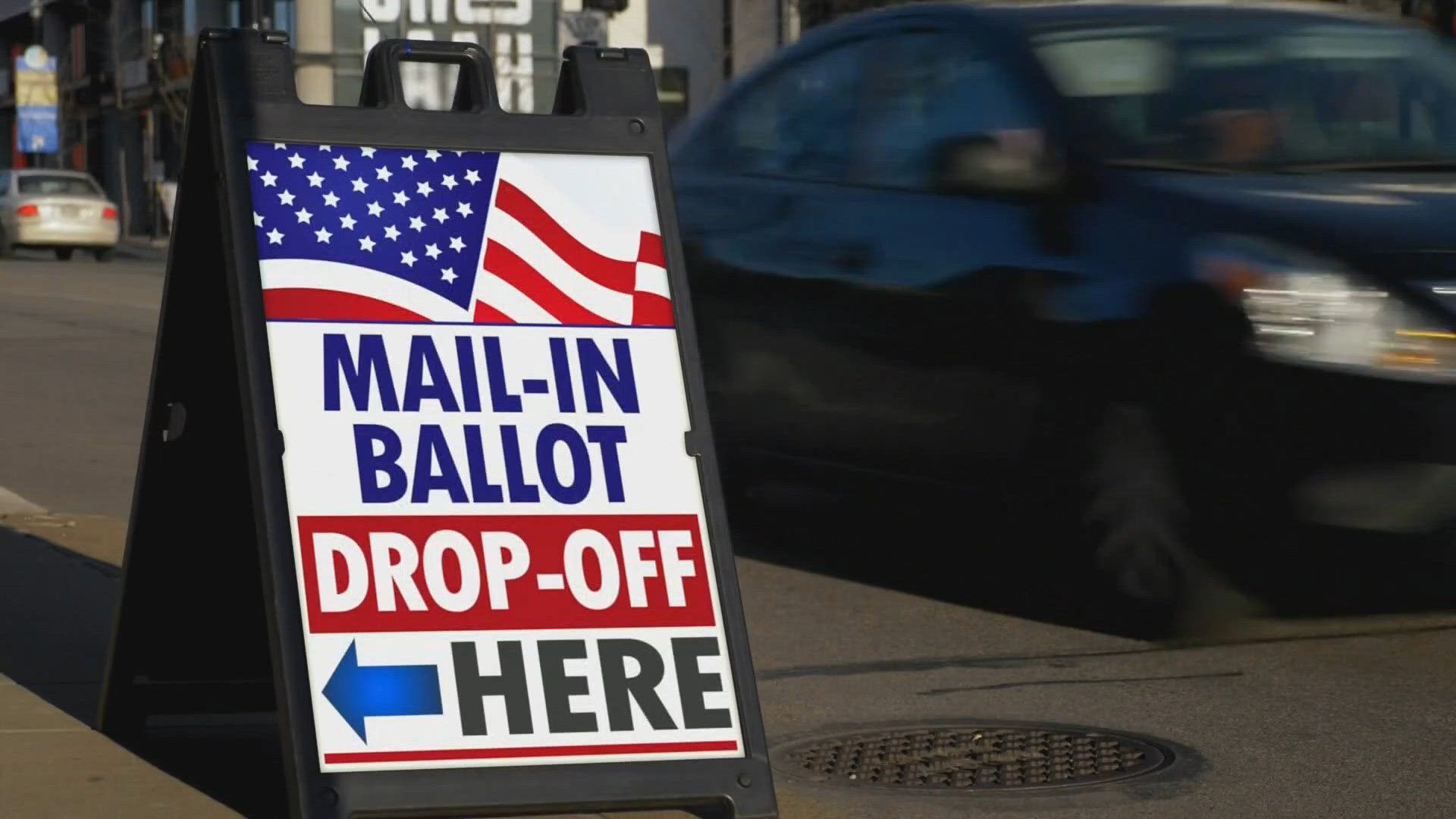
- The postal rules finalized in late August would have forced states to submit lists of eligible voters to the US Postal Service, called for new envelope requirements including tracking barcodes, and without them the USPS would have prohibited the delivery of ballots.
- In a separate June dispute, the Supreme Court by a 5-4 vote snubbed a Trump-endorsed challenge to Mississippi’s five-day grace period for receipt of mail ballots postmarked by Election Day.
- Washington lawyer Donald Verrilli, a former US solicitor general in the Obama administration, anticipates continued legal conflict around mail-in ballots, noting that although no evidence exists that such ballots are conducive to fraud, that drumbeat is “in the air,” reinforced by Alito’s dissent Monday night.
- Justice Alito, joined by Thomas, Gorsuch and Kavanaugh in the June case, dissented, raising the specter of “voter fraud that may further undermine Americans’ faith in the integrity of this country’s elections,” and on Monday he drew support only from Thomas, arguing for broad Postal Service authority.
The Supreme Court's recent decision to reject President Trump's mail ballot rules has sparked discussions about the future of voting regulations. The justices' cryptic order, which lacked detailed legal reasoning, indicates a reluctance to allow the USPS to refuse ballot deliveries.123
Justice Kavanaugh's concurrence hinted at a potential shift, stating, “there is at least a fair prospect that the final rule falls within the Postal Service’s statutory authority,” suggesting that the Postal Service may play a significant role in future elections, particularly the 2028 presidential cycle.45
Legal experts, including former US Solicitor General Donald Verrilli, predict ongoing turbulence surrounding mail-in ballots, emphasizing that “no evidence exists that such ballots are conducive to fraud.” This sentiment echoes concerns raised by Justice Alito, who has previously warned about potential voter fraud undermining election integrity.12131415161718

The Court's decision comes amid a backdrop of heightened scrutiny on voting rights, particularly following earlier rulings that have diluted protections under the Voting Rights Act. Approximately 30% of voters utilize mail-in ballots, a crucial option for military personnel, the elderly, and disabled individuals. As the electoral landscape evolves, the implications of this ruling may resonate through future elections, with legal battles likely to continue.
The justices' composition, with a conservative majority, has shown a cautious approach to voting-related cases, balancing concerns about voter chaos with established legal priorities. The recent ruling reflects this tension, as the Court navigates the complexities of mail-in voting regulations and their impact on electoral integrity.
“The postal rules finalized in late August would have required states to submit voter lists and tracking barcodes, with USPS banning ballot delivery without them. About 30% of voters cast ballots by mail, and Alito's dissent, joined only by Thomas, echoed fraud concerns that Verrilli says will fuel turbulence into 2028.”