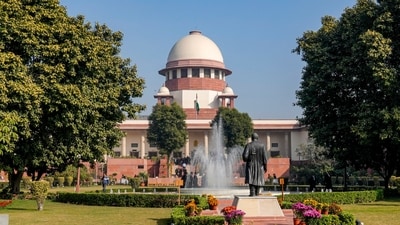
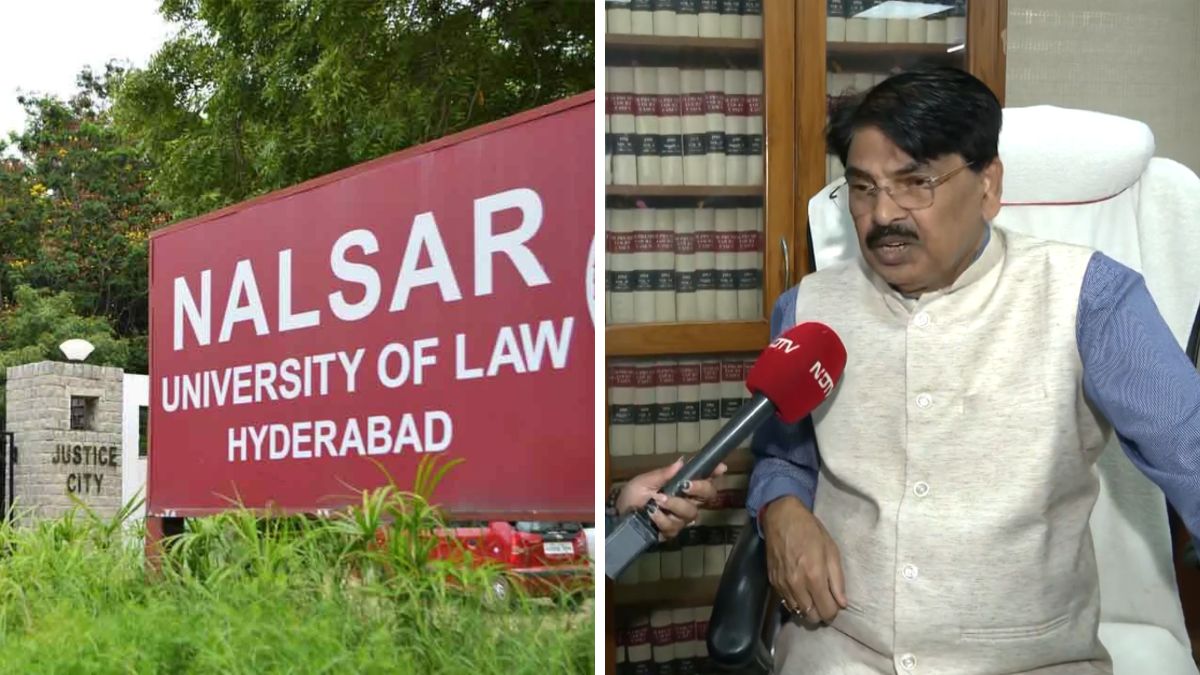
- BCI imposed a blanket restriction on NALSAR's 2026 graduates' enrolment.
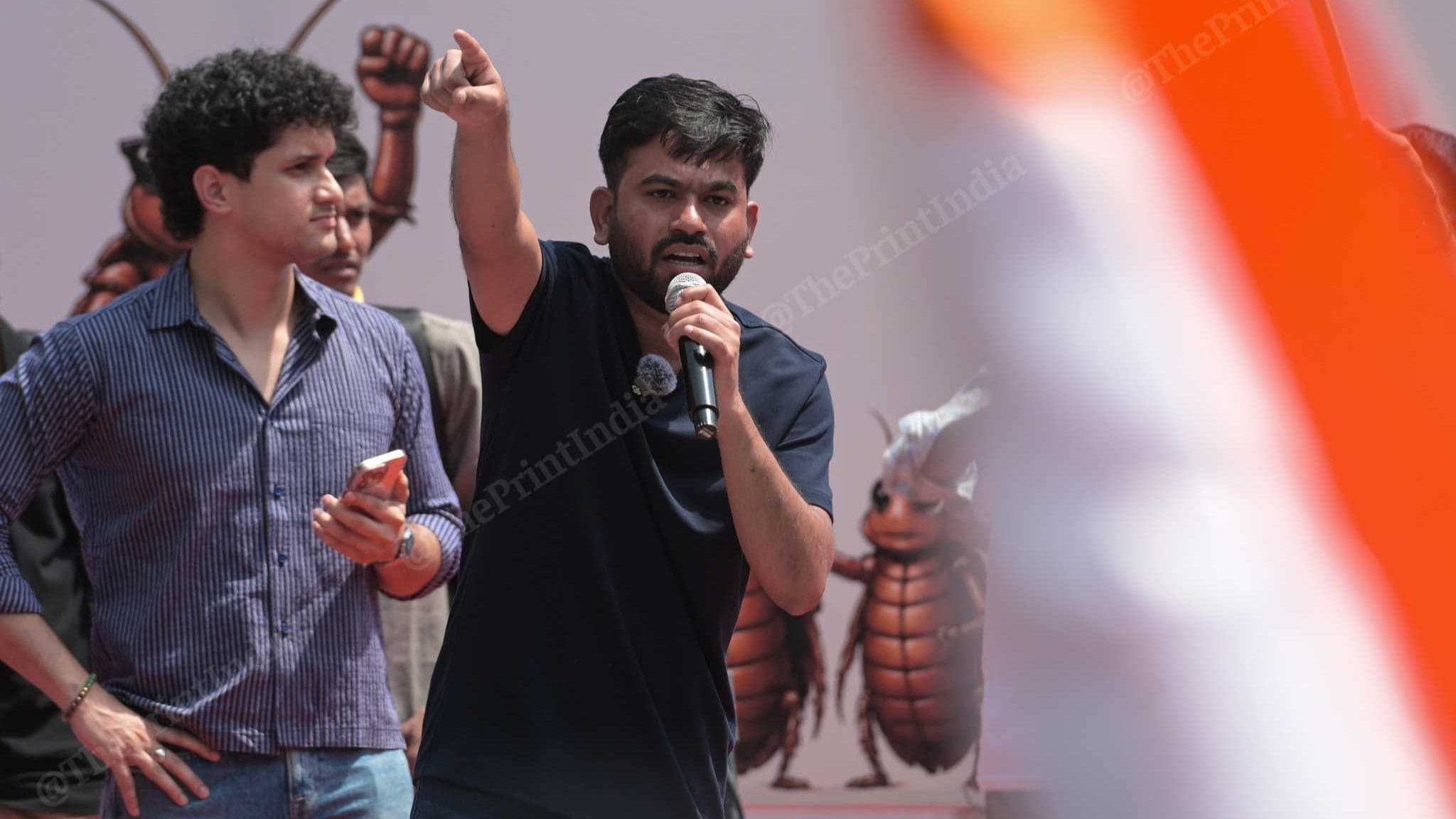
- CJI Surya Kant defends NALSAR students' right to protest.
- Blanket restriction withdrawn; NALSAR's 2026 graduates are now entitled to seek enrolment in the ordinary course.
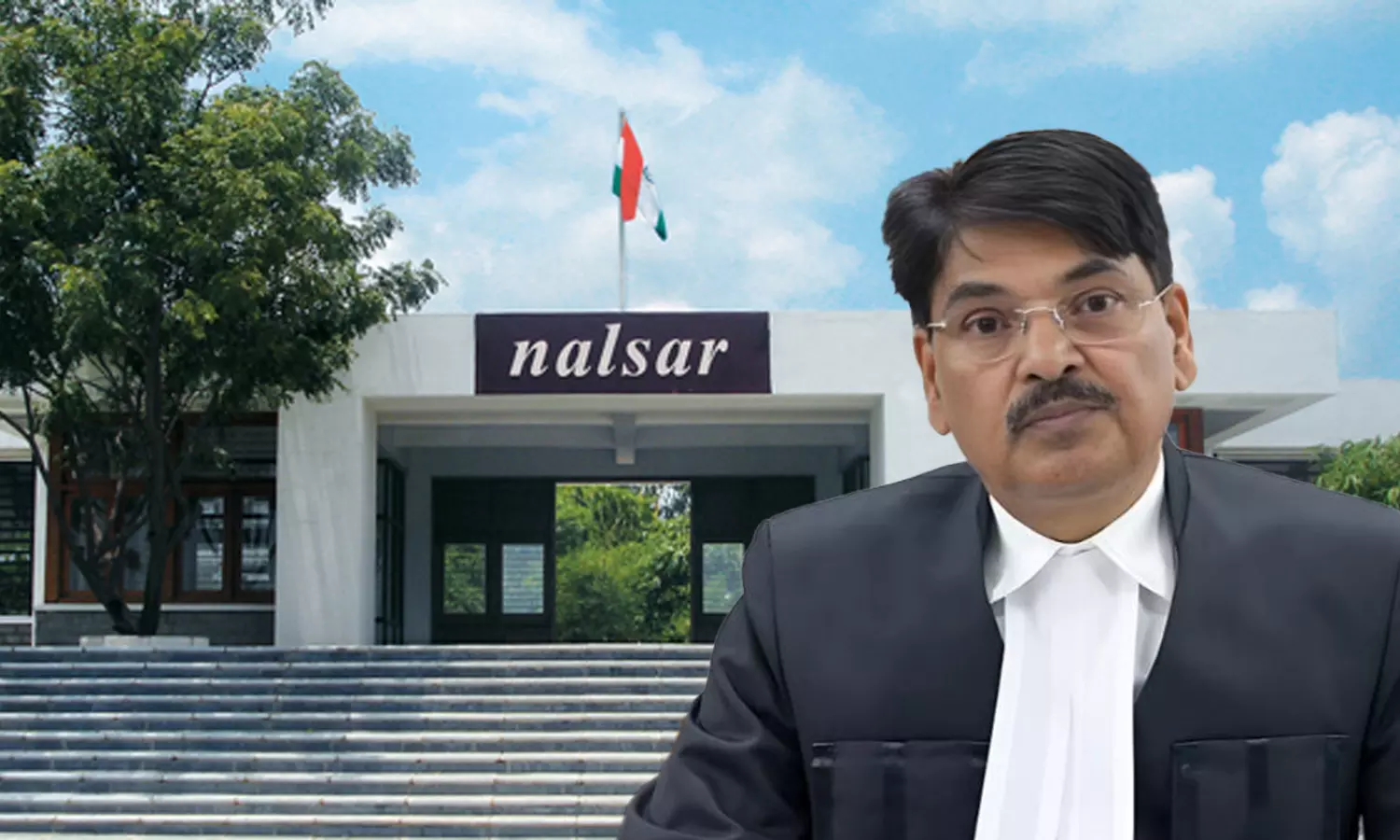
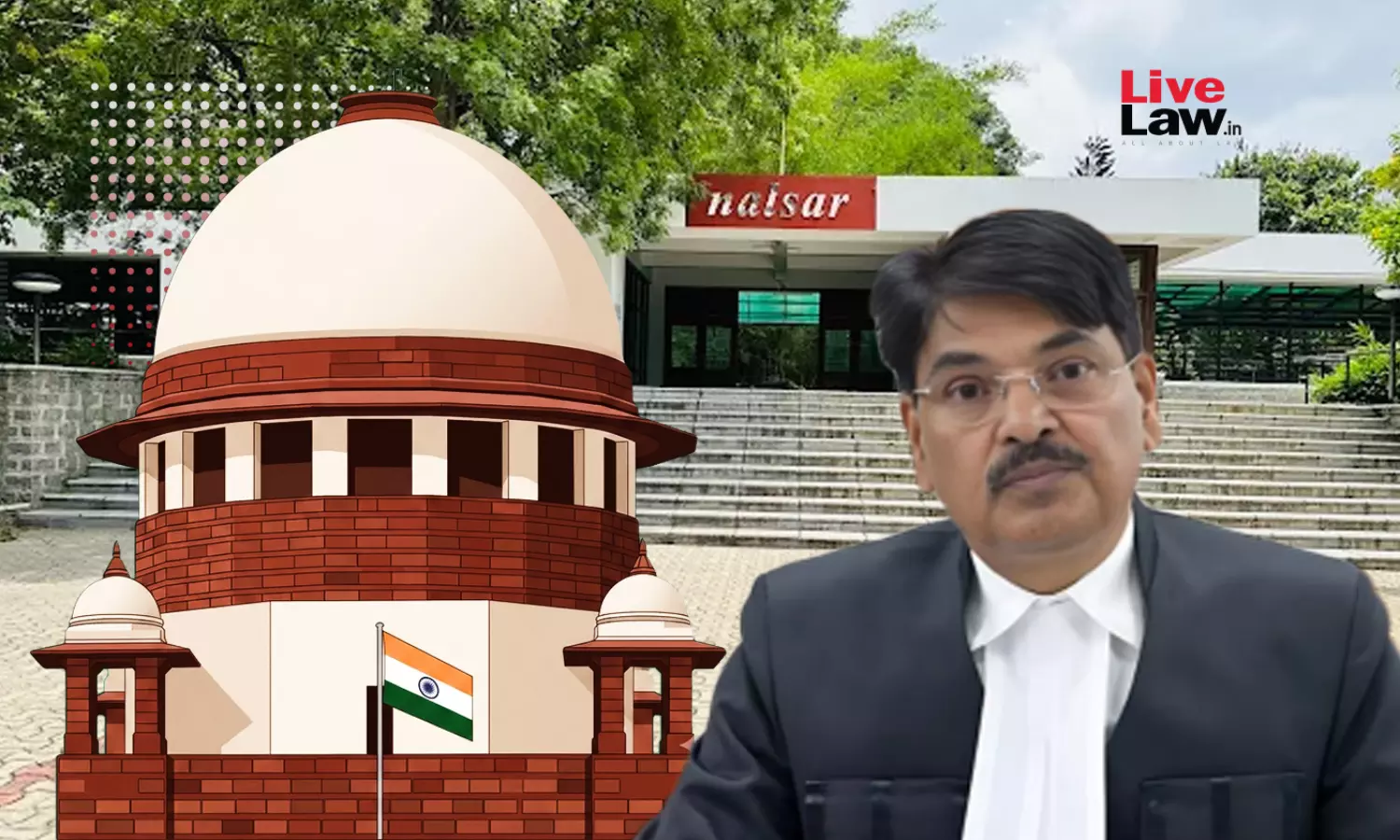
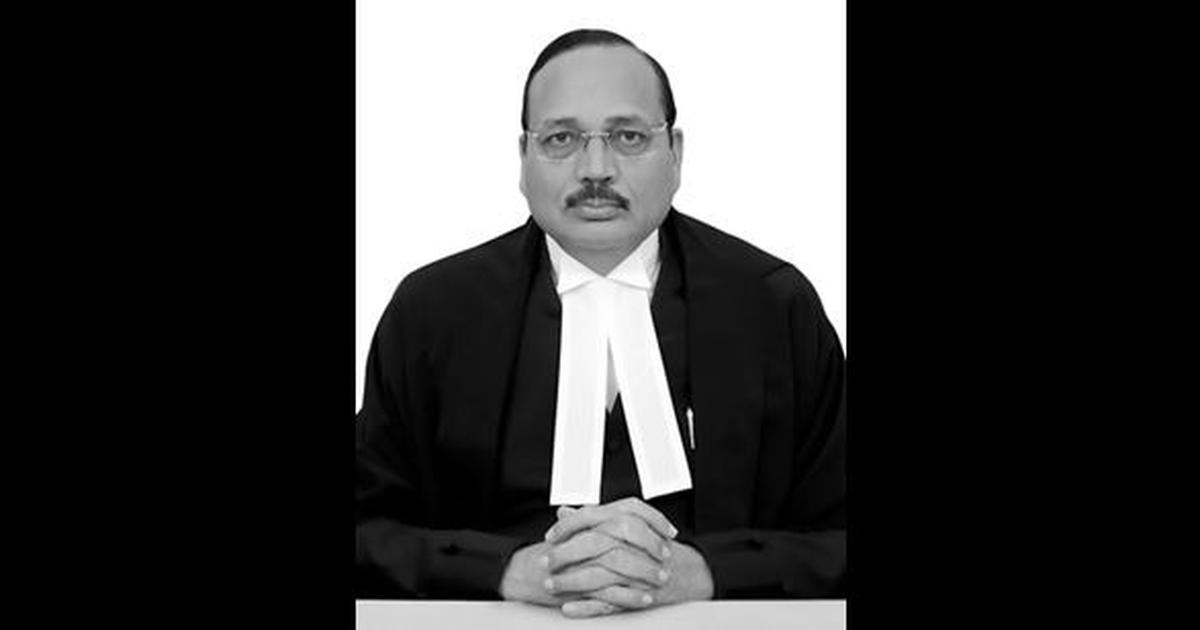
CJI Surya Kant defended the right of NALSAR students to protest, stating that the Bar Council of India (BCI) cannot impose blanket restrictions on enrolment. Following this, the BCI withdrew its earlier directive preventing the 2026 graduates from enrolling with State Bar Councils.2
The BCI's initial decision was criticized for lacking statutory basis. Advocate N. Manoj Kumar emphasized that enrolment is primarily a function of State Bar Councils under the Advocates Act, and the BCI Chairman cannot unilaterally suspend an entire batch's enrolment. Advocate Yeshwanth Shenoy echoed this sentiment, stating, “No blanket restrictions can be imposed by the BCI. Every application has to be dealt with independently.”

The Court ruled that the BCI's actions were “ultra vires” the Advocates Act and violated Article 14, affirming that the authority to admit advocates lies solely with State Bar Councils. The ruling noted, “It is, therefore, within the exclusive domain of the State Bar Councils to admit persons as advocates on their rolls.”
With the restriction lifted, NALSAR's 2026 graduates can now seek enrolment without further inquiry. Mr. Kumar stated, “To debar a law graduate from enrolment, there should be some pre-existing disqualification as provided in the Advocates Act and Rules governing enrolment.”
“The withdrawal follows an inquiry that was also dropped, leaving no further action possible against the graduates. To debar a law graduate, a pre-existing disqualification under the Advocates Act and Rules is required, as stated by Mr. Kumar.”








/english-betterindia/media/media_files/2026/08/14/train-themed-classrooms-2026-08-14-17-33-54.png)