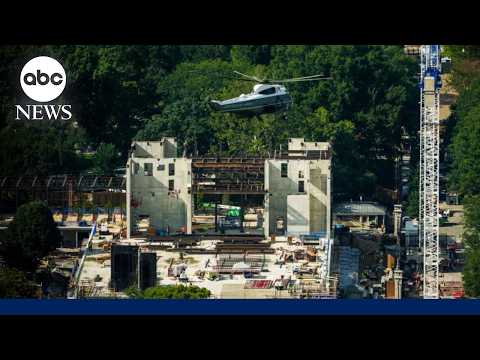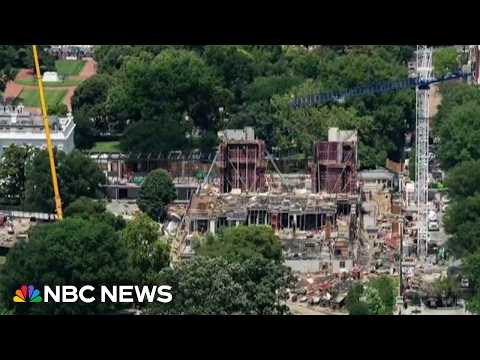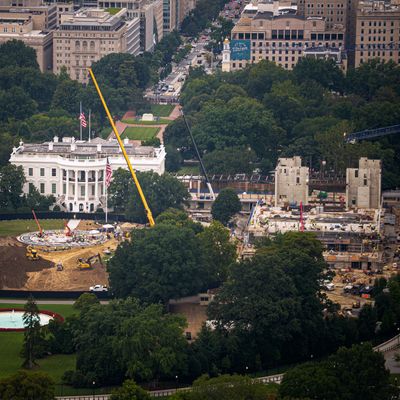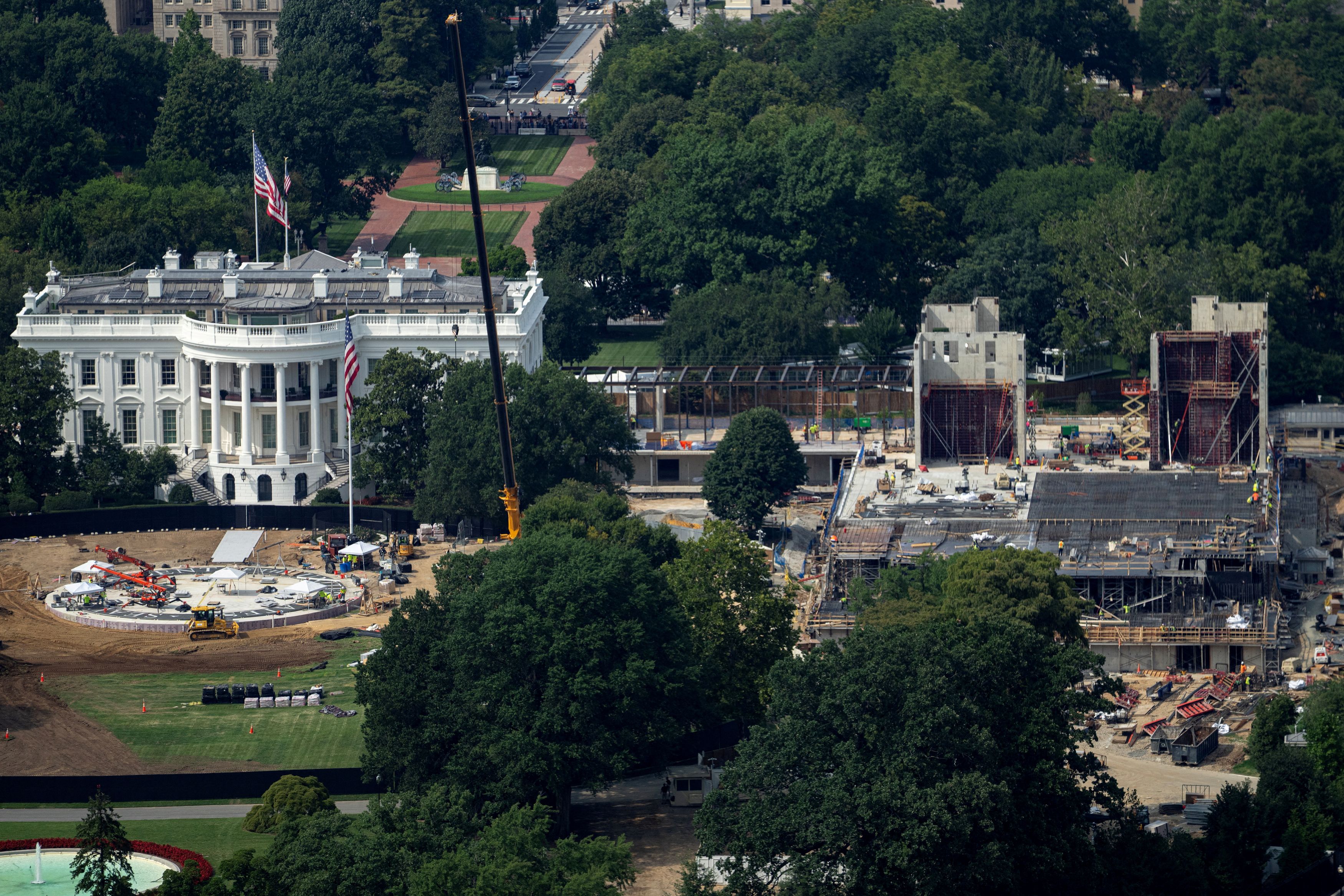
- Chief Justice John Roberts allowed work to continue on the White House ballroom temporarily, issuing a stay while the court considers an emergency appeal in a lawsuit challenging the project.
- The National Trust for Historic Preservation sued to stop construction, arguing that Trump exceeded his authority in launching the project, which would be the biggest expansion of the White House in decades.
- In April, a district court judge ordered a stop to aboveground construction of the ballroom, allowing only belowground work to continue.
- An appeals court panel upheld the lower court's decision, finding that the project likely requires congressional approval to continue.
- The Trump administration filed an emergency appeal with the Supreme Court, arguing that the president has total authority to renovate the White House as he sees fit.
- Roberts' stay allows construction to continue temporarily, pausing a Friday deadline imposed by an appeals court to halt construction while the court challenge plays out.
- The full Supreme Court will likely weigh in next on whether construction can continue for the duration of the lawsuit.
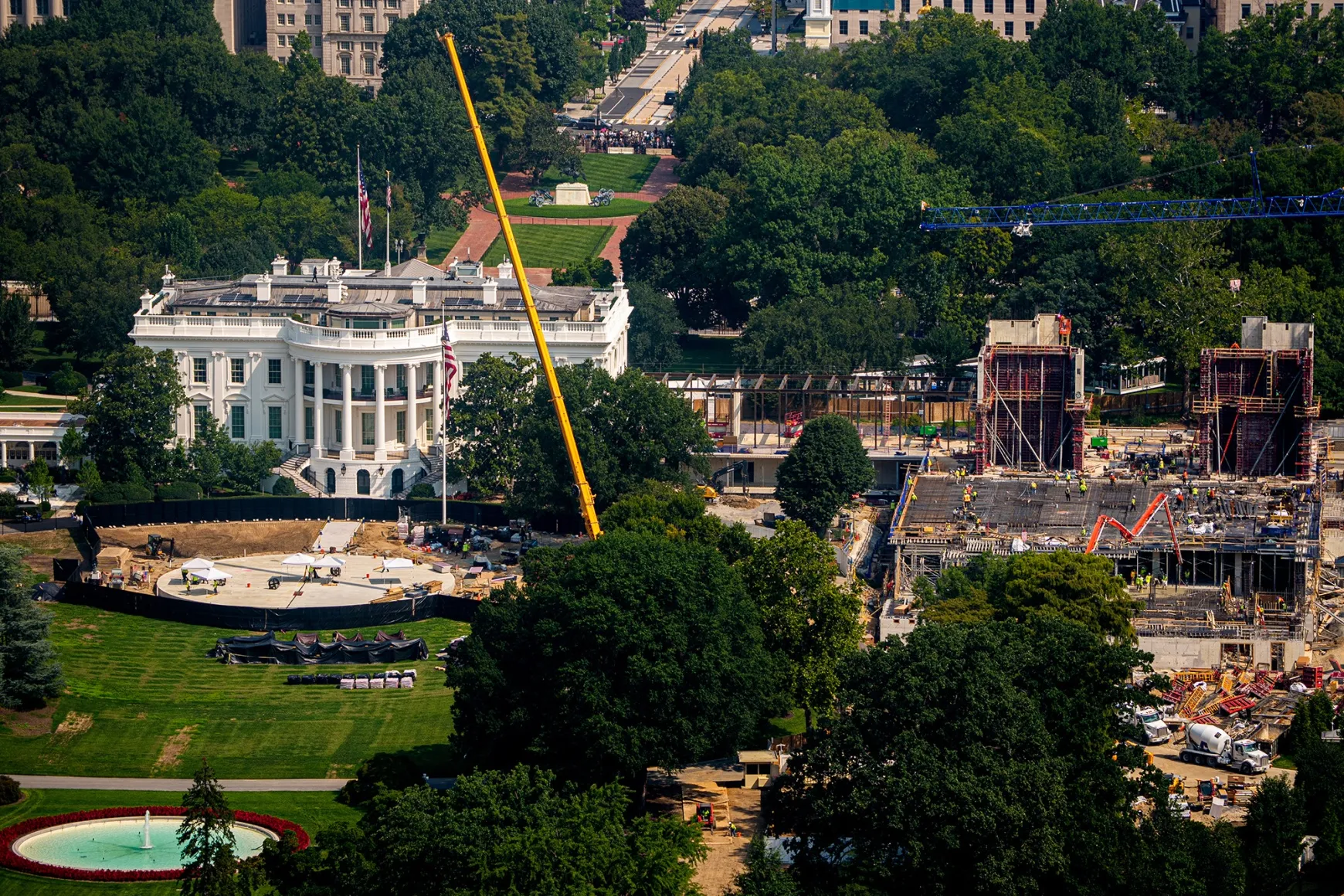
- The ballroom construction is intertwined with work on a five-story underground military complex that will feature shelters and a hospital to protect the president and senior officials in an emergency.
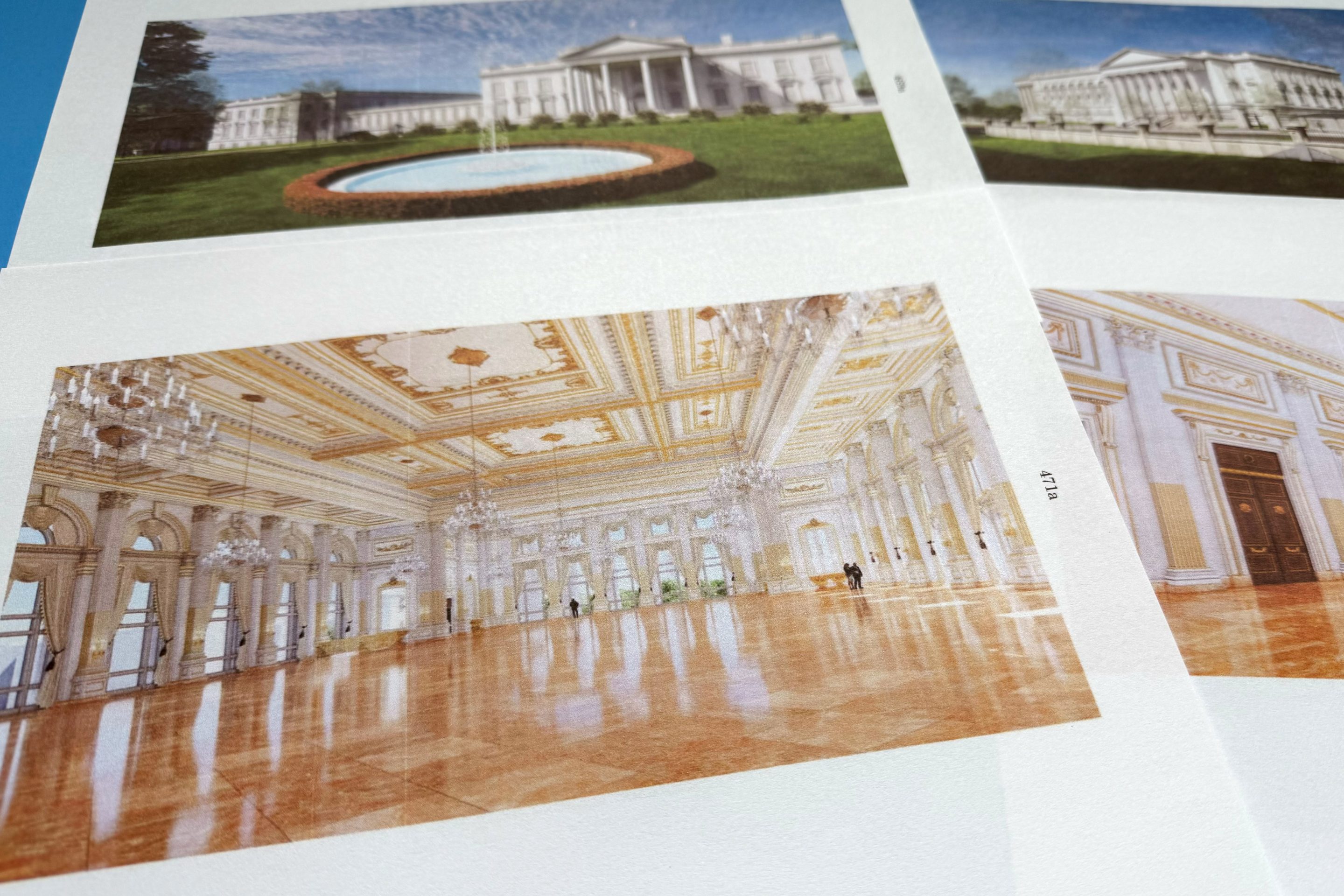
- The administration claims that the ballroom, which will be hardened with missile-resistant columns and a drone-proof roof, will act as a shield for the military complex and the rest of the White House.
- The National Trust has questioned the administration's claim that the entire project is needed for national security reasons and highlighted concerns about the ballroom's impacts on the White House's sight lines and historic character.
Supreme Court Chief Justice John Roberts has issued a temporary stay allowing the continuation of President Donald Trump’s $400 million ballroom project at the White House, pending a review of an emergency appeal. This decision pauses a Friday deadline from an appeals court that sought to halt construction due to concerns over congressional approval.1
The 90,000-square-foot ballroom is part of a larger military complex designed to enhance national security, featuring missile-resistant columns and a drone-proof roof. The administration claims the project is 65% complete, with approximately 250 workers laboring 20 hours a day, seven days a week.9

Trump expressed gratitude for the ruling, stating, “The Military/Ballroom Complex being built on the hallowed grounds of the White House... will be THE GREATEST OF ITS KIND!” However, the National Trust for Historic Preservation argues that Trump lacks the unilateral authority to proceed without congressional consent, accusing the administration of attempting to “outrun the courts.”210
The Supreme Court's decision will remain in effect until a more permanent ruling is issued, with the full court expected to address the legality of the construction amid ongoing legal challenges.
“The stay pauses a Friday deadline that would have halted aboveground work, but the National Trust for Historic Preservation says it is not a final decision. The project is about 65% complete, with crews working 20 hours a day, and the full court will likely decide next.”