- Chief Justice Roberts issued a stay, allowing White House ballroom construction to continue pending further order.
- Lower courts had ruled against the ballroom project, but the appeals court and district court decisions were paused to allow appeals.
- Roberts's order prevented the pause from expiring on Friday, allowing construction to continue.
- The project has faced adverse rulings in lower courts, making Roberts's stay the latest in a series of escapes for the project.
- The ability of the plaintiffs challenging the ballroom hinges on the “aesthetic injury” theory of standing, which is significant in US environmental law.
- If the Court clears the way for the ballroom, environmental laws could be affected.
- Trump has attempted to justify the project on national security grounds, describing it as a “Military Complex”.
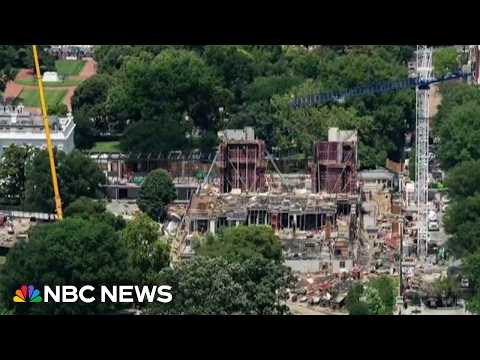
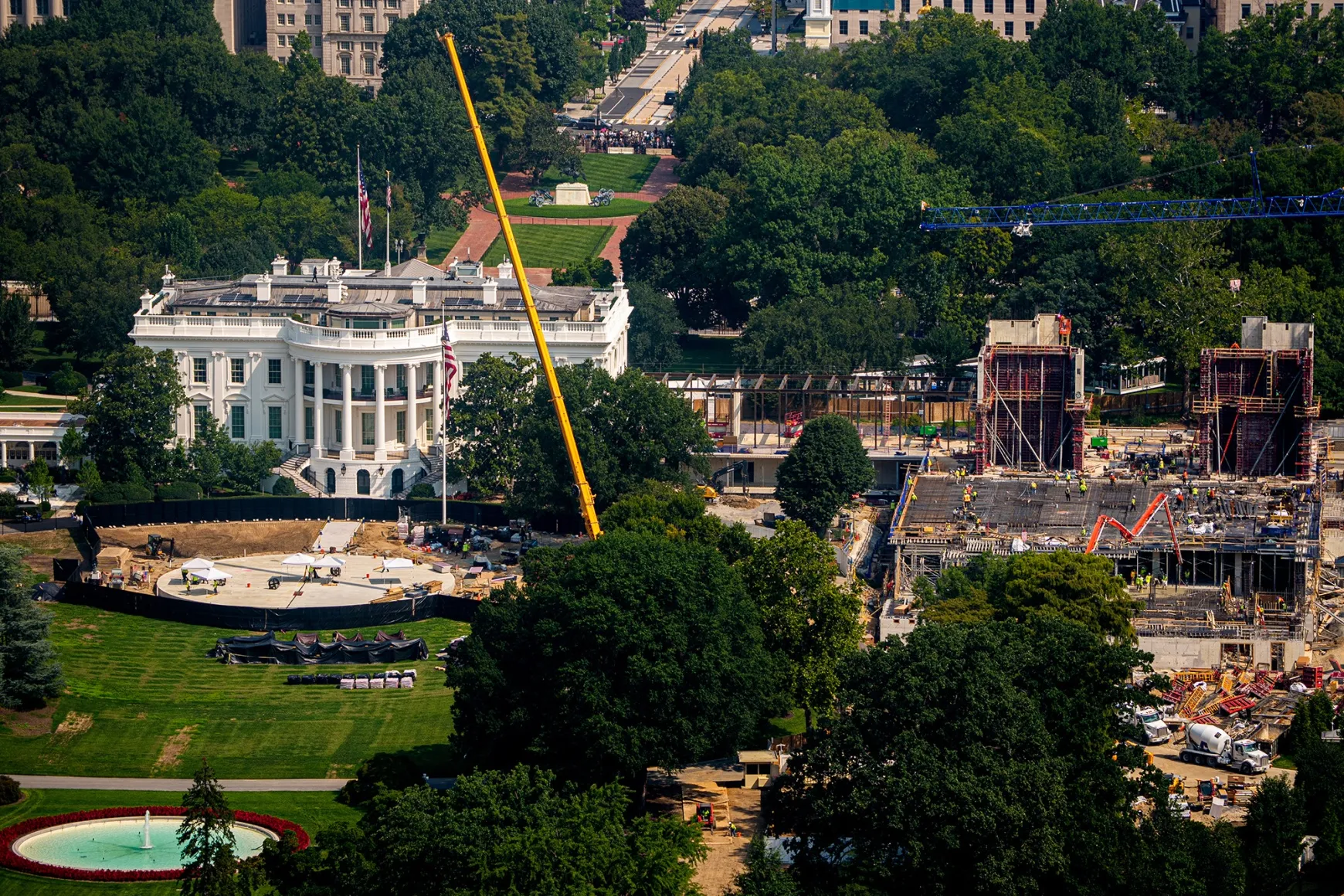
The Supreme Court's recent stay allows construction of Trump's East Wing ballroom to continue, despite lower court rulings that deemed the project unauthorized. Chief Justice John Roberts issued the stay just before a lower court injunction was set to take effect, enabling crews to work nearly around the clock.
The ballroom, which is 65 percent complete and stands 70 feet tall five stories underground, has faced significant legal challenges. Earlier this month, the DC Circuit Court of Appeals upheld a ruling that Trump exceeded his authority by not seeking congressional approval for the project. However, both the appeals and district court decisions had been paused to allow for appeals, a pause that would have expired without Roberts' intervention.2
The stay is not final and will remain in place “pending further order”, likely awaiting the Court's full decision. This situation raises concerns about the implications for environmental law, as the plaintiffs' ability to challenge the project hinges on the “aesthetic injury” theory of standing, which could be affected if the Court clears the way for the ballroom.5
As construction continues, Trump has defended the project on national security grounds, labeling it a “Military Complex” and dismissing its opponents.7
“The stay, issued by Roberts alone, is not final but keeps the project alive despite lower court setbacks. Trump has framed the ballroom as a 'Military Complex' on national security grounds, while the case's standing theory could impact environmental law.”