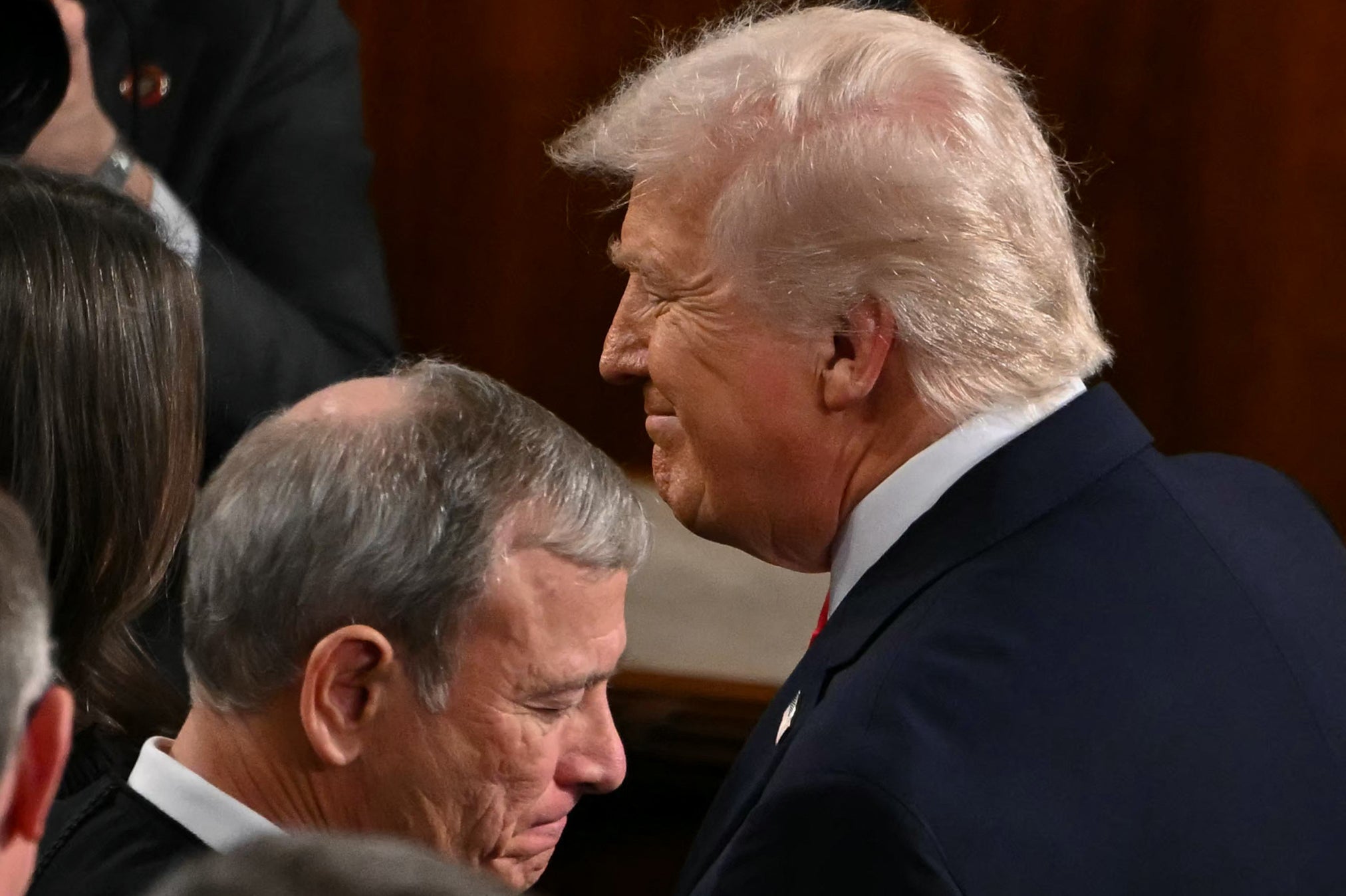
- The Supreme Court ruled that the National Trust for Historic Preservation lacked legal standing to sue, allowing construction to proceed, as halting it would cause the government irreparable harm due to national security features integrated into the complex.
- Chief Justice John Roberts wrote a dissent stating, "Today’s decision is no victory for the separation of powers," and emphasized that Congress has not passed any law granting 'express authority' for the Executive's construction of the ballroom.
- National Trust President Brent Leggs expressed disappointment over the decision but praised Roberts' dissent, stating, "This is not the final decision on the merits of our case and does not resolve our fundamental argument—that each President is a temporary steward of the People's House and does not have the unilateral authority to demolish and redesign it without the approval of Congress."
The U.S. Supreme Court's recent ruling allows the Trump administration to continue construction of a ballroom on federal park grounds, despite a dissent from Chief Justice John Roberts.12
Roberts, joined by three liberal justices, argued that the decision is a setback for the separation of powers, stating, “Today’s decision is no victory for the separation of powers.”
The court ruled 5-4 that the National Trust for Historic Preservation lacked legal standing to challenge the project, emphasizing that halting construction could cause “irreparable harm” to national security.
Roberts highlighted the constitutional authority of Congress over federal property, noting that no law has been passed to authorize the construction. He stated, “The ballroom is a building or structure being erected on federal park grounds — President's Park — in the District of Columbia.”
National Trust President Brent Leggs expressed disappointment in the ruling but praised Roberts’ dissent, asserting that the case is not over.34
Leggs emphasized, “This is not the final decision on the merits of our case and does not resolve our fundamental argument — that each President is a temporary steward of the People’s House and does not have the unilateral authority to demolish and redesign it without the approval of Congress.”
“The ruling, backed by five conservative justices, found the National Trust for Historic Preservation lacked standing, citing irreparable harm to national security features. National Trust President Brent Leggs said the group is disappointed but pleased with Roberts' dissent, vowing the fight continues.”

 The Independent






