- The Supreme Court is allowing President Donald Trump to press on with his White House ballroom project, over a strident objection from Chief Justice John Roberts and the court’s liberal wing.
- In an unsigned order Monday, the Supreme Court’s majority said a historic preservation group that sued over the project appeared to lack legal standing, while national security concerns favored allowing the construction to continue.
- Writing for the dissenters, Chief Justice Roberts said the project is ‘likely unlawful’, emphasizing the importance of following rules for the White House’s architecture.
- The court’s majority insisted it was not resolving the legal arguments over the president’s power to unilaterally make major changes to the White House, but the decision means the ballroom will likely be fully built before that question is definitively resolved.
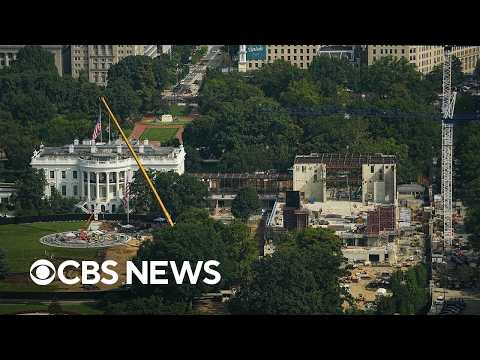
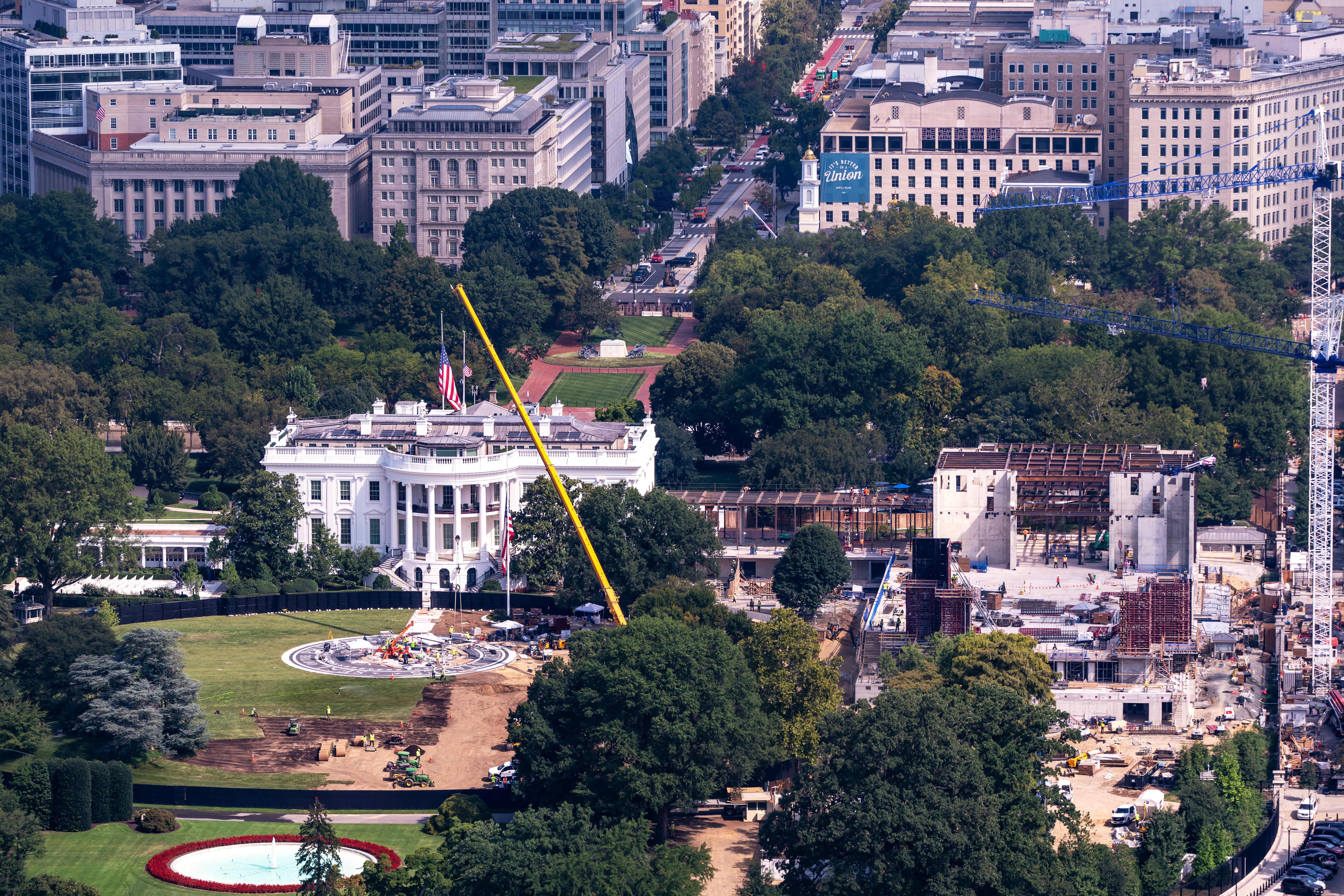
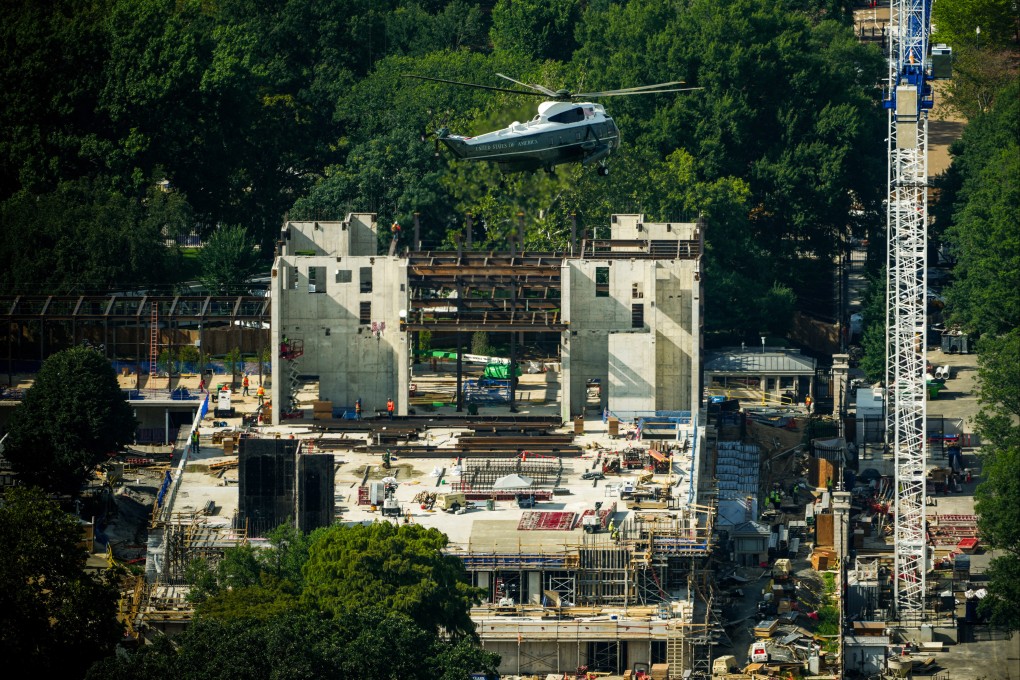
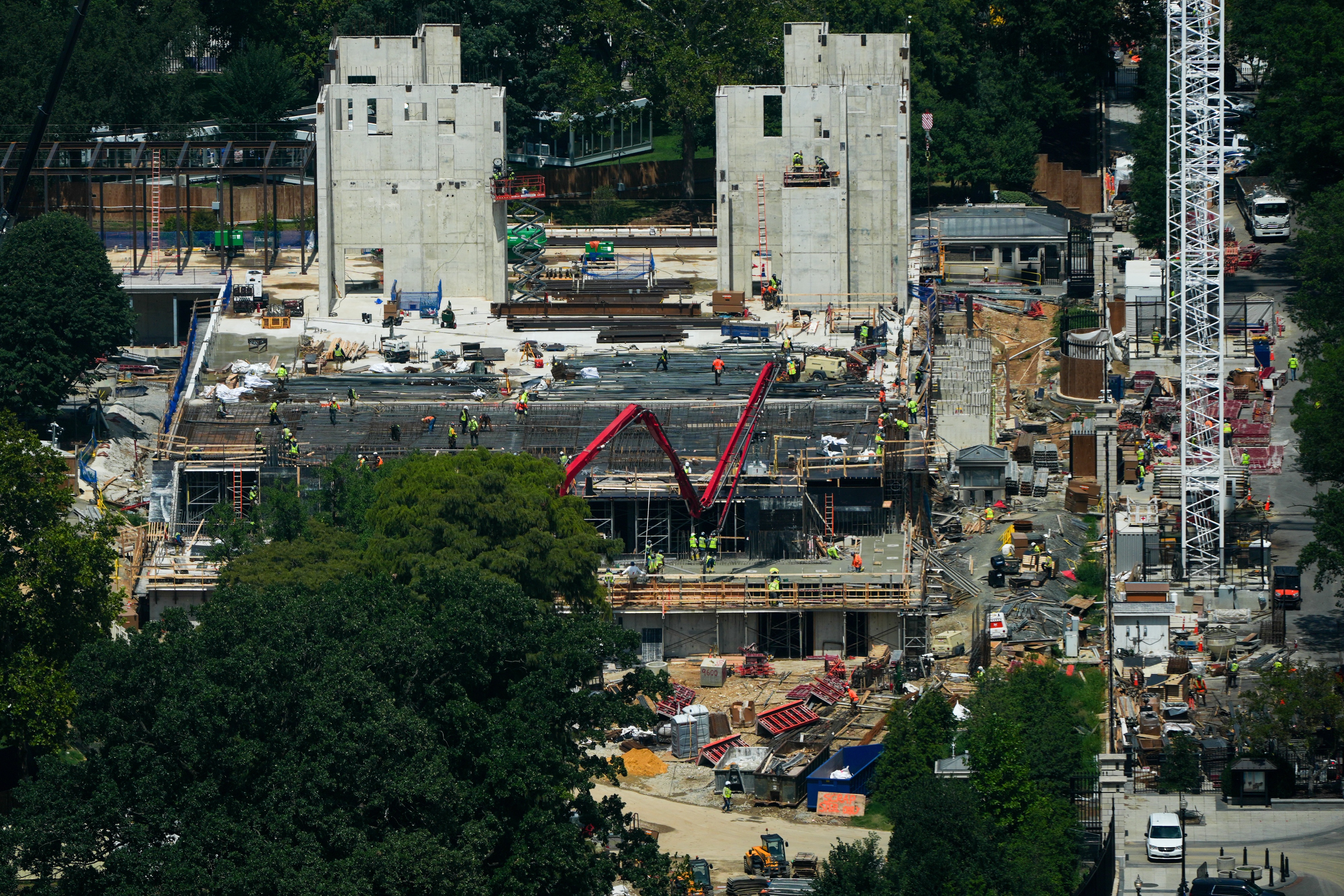
- On Trump’s orders, construction crews abruptly demolished the White House’s East Wing last October, and he later sought approval to build a ballroom on the site, although Congress never appropriated funds for the project or signed off on it.
- The president initially touted the ballroom project as an effort to create a larger, permanent space for ceremonial events, but in recent weeks he increasingly billed it as a national security imperative due to features in the redesigned East Wing.
- Trump said on Truth Social that he was “pleased” with the court’s ruling, adding that it would allow the project to be completed “without any further contingency, doubt, or threat.”
- Attorney General Todd Blanche also saluted the ruling, stating it was a ‘no-brainer for national security’, and future administrations will look back and be thankful.
- The ruling Monday was in keeping with a general trend at the conservative high court to more strictly enforce standing requirements, and the majority said the National Trust’s claim based on Alison Hoagland’s “offense, disagreement, or distaste” was unlikely to succeed.
The Supreme Court's recent ruling allows President Trump to advance his controversial White House ballroom project, despite Chief Justice John Roberts's dissent, which labeled the initiative as 'likely unlawful.' The court's majority argued that a historic preservation group's lawsuit lacked legal standing and emphasized national security concerns.1
Roberts expressed strong opposition, stating, “The White House is an iconic American building whose symbolism and history are wrapped up in its architecture.” He stressed the importance of adhering to rules regarding alterations to the People’s House, highlighting the need for accountability in such decisions.
The ruling indicates that the ballroom is likely to be completed before the legal questions surrounding the president's unilateral authority to modify the White House are resolved. Trump expressed satisfaction with the decision on Truth Social, stating it would allow the project to proceed “without any further contingency, doubt, or threat.” Attorney General Todd Blanche supported the ruling, calling it a “no-brainer for national security.”11
The ballroom project, initially presented as a means to enhance space for ceremonial events, has recently been framed by Trump as a national security necessity, particularly due to features planned for the redesigned East Wing. The court's decision reflects a broader trend of enforcing stricter standing requirements, which aim to ensure that litigants have a concrete stake in the outcomes of their cases.1314
Roberts criticized the majority's reasoning, arguing that their approach twists previous precedents that allowed environmental challenges to proceed based on aesthetic claims, stating, “The distinction … does not hold up.”
“The unsigned order Monday said the National Trust lacked standing, citing national security concerns, while Roberts argued the project is 'likely unlawful' and that the White House's architecture must follow rules. Trump said he was 'pleased' with the ruling, and Attorney General Todd Blanche called it a 'no-brainer for national security.'”