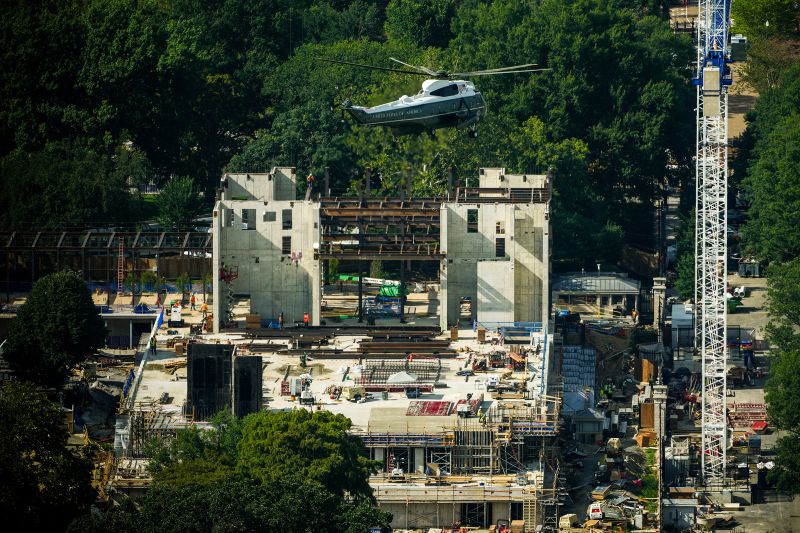
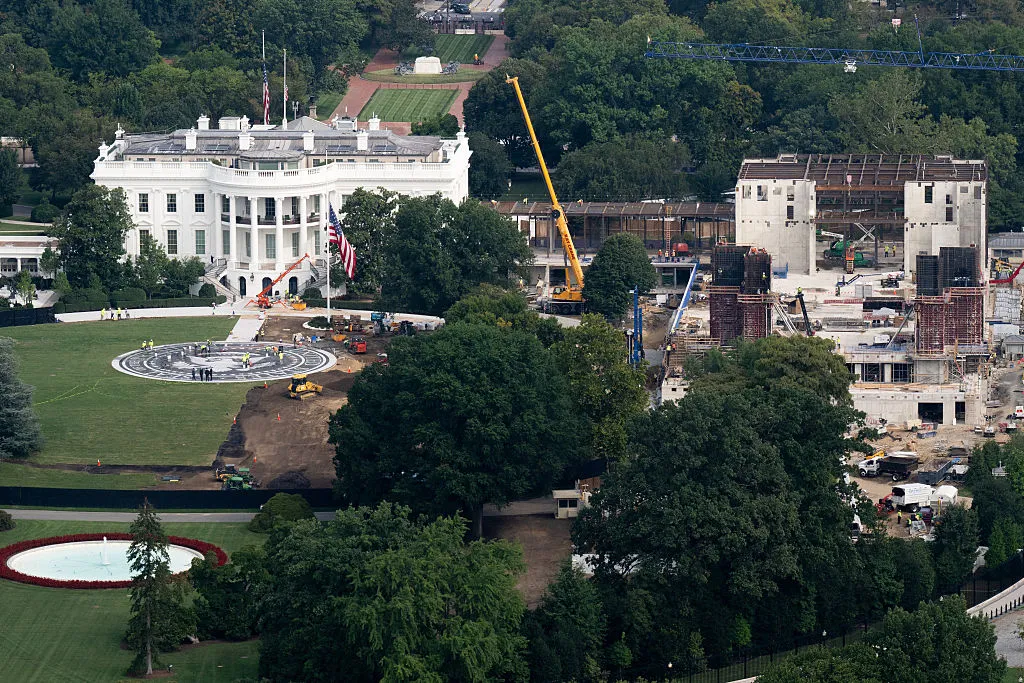
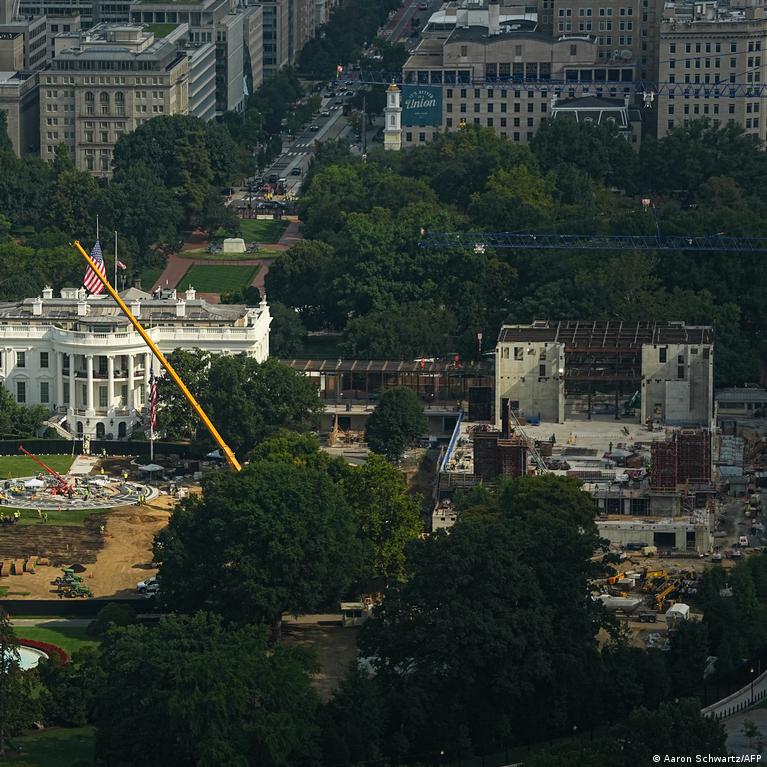
- Supreme Court rules in favor of the Ballroom/Military Complex being built without further contingency, doubt, or threat.
- The president announced the Supreme Court ruling, stating the complex will be completed in the Summer of 2028.
The Supreme Court's 5-4 decision allows the White House ballroom construction to continue, rejecting a preservationist group's claims of aesthetic injury. The majority deemed the concerns as mere 'distaste,' while dissenters argued for the importance of historic preservation.1
President Biden expressed satisfaction with the ruling, stating, “When completed in the Summer of 2028, the magnificent Ballroom and Military Complex will be something that the entire Country is very proud of.” The court's decision emphasizes the principle of limiting jurisdiction over aesthetic issues, with dissenters highlighting the potential harm to historic integrity.2
Legal experts suggest that further challenges may arise only if Congress takes action against the project. The ruling underscores a significant moment in the ongoing debate over historic preservation versus modern development, as the ballroom's construction is set to proceed without further legal hindrance.
“The majority here believes the principle of limiting the court’s jurisdiction is more important than the principle of following the law,” said legal analyst Super, reflecting on the court's stance. The ruling marks a pivotal point in the intersection of law, aesthetics, and governance, as the nation anticipates the completion of this ambitious project.
“Super suggested that for Roberts, it was 'too radical' to allow 'obviously illegal activity go forward based on a extremely narrow reading of standing.' He added that the court has occasionally allowed exotic forms of standing, but litigation is likely only if a majority of one chamber of Congress finds it offensive.”