- The U.S. Supreme Court on Monday lifted one court order blocking President Donald Trump's administration from implementing an executive order restricting the use of mail-in ballots ahead of the November midterm elections.
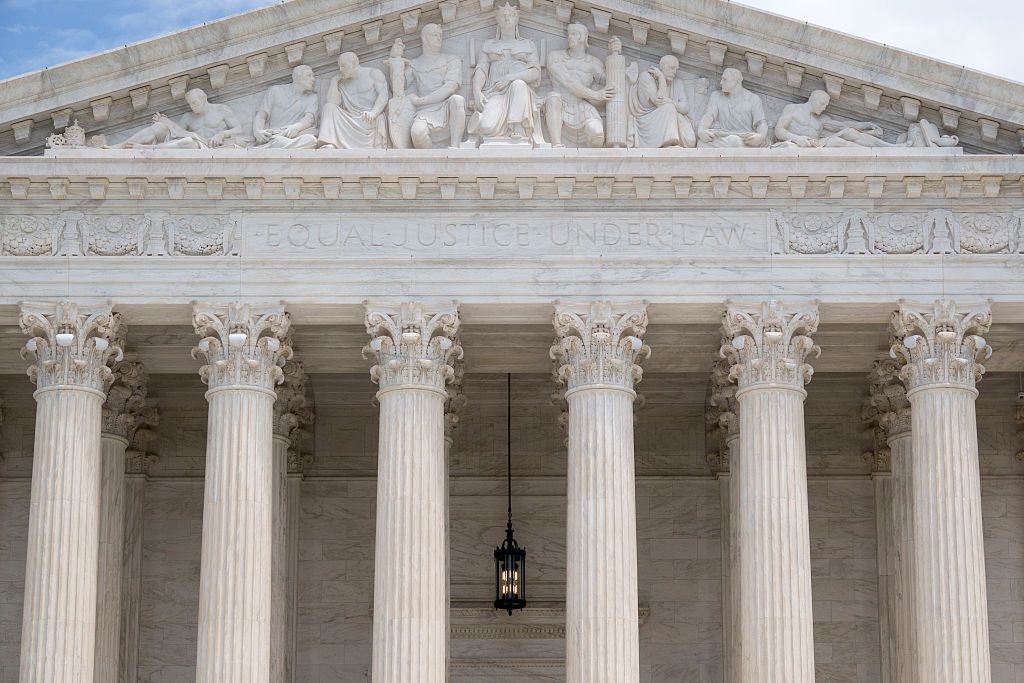
- The Supreme Court's 6-3 conservative majority ruled that the states' challenge was premature and that they lacked legal standing at this stage, as the agencies have not yet taken concrete actions that impact the states.
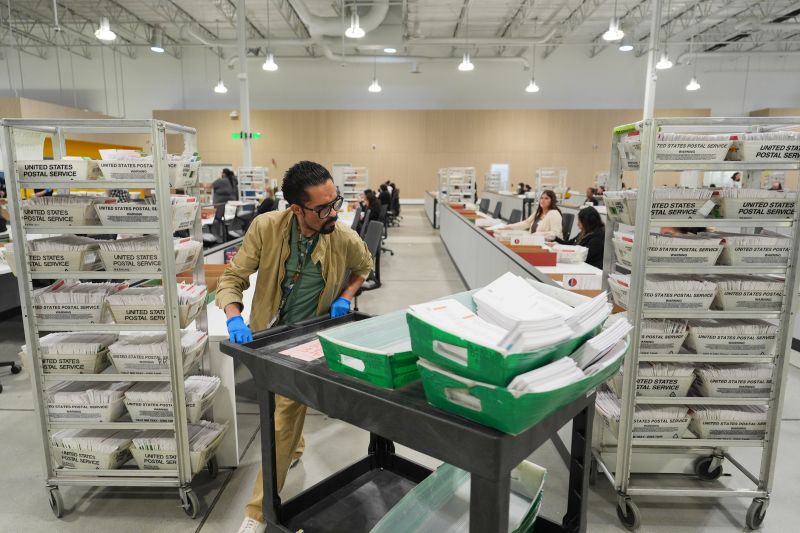
- Despite Talwani's action, USPS on Friday released a finalized rule to implement Trump's order, which would require states to provide it with lists of voters who received mailed ballots, as well as unique barcodes on outbound and return ballot mail envelopes.
- The court left the door open for states to sue again as the midterm contest approaches, and a separate injunction blocking a key part of the plan remains in place.
- Democratic officials and voting-rights groups criticized the decision, with California Governor Gavin Newsom vowing to sue again and New York Attorney General Letitia James calling it a 'painful setback' but not the final word.
The U.S. Supreme Court's 6-3 ruling on Monday lifted a previous injunction against President Trump's mail-in ballot restrictions, allowing the administration to implement its executive order. The court found that the states lacked legal standing to challenge the order at this stage, deeming the lawsuit premature.1234
Trump's executive order, issued in March, mandates the Department of Homeland Security to compile lists of eligible voters and directs the U.S. Postal Service to deliver ballots only to those on each state's approved mail-in ballot list. “The Supreme Court just let the Trump administration move ahead (for now) with its plan to disenfranchise voters across the country,” said California Governor Gavin Newsom, who plans to sue again to block the rules.6789
Despite the ruling, a separate injunction from U.S. District Judge Indira Talwani remains in effect, preventing the USPS from enforcing stricter mail-in voting rules. Talwani previously ruled that the president lacks authority over how states administer federal elections, emphasizing that states determine voter eligibility.5
“This decision is a painful setback, but it will not be the final word,” stated New York Attorney General Letitia James, asserting the sacredness of the right to vote. The court's decision leaves the door open for states to challenge the order again as the midterm elections approach, indicating ongoing legal battles over voting rights.
“The 6-3 conservative majority said the states lacked standing because agencies haven't taken concrete actions yet. USPS finalized a rule requiring voter lists and barcodes, while California's Newsom and New York's James pledged further legal challenges.”