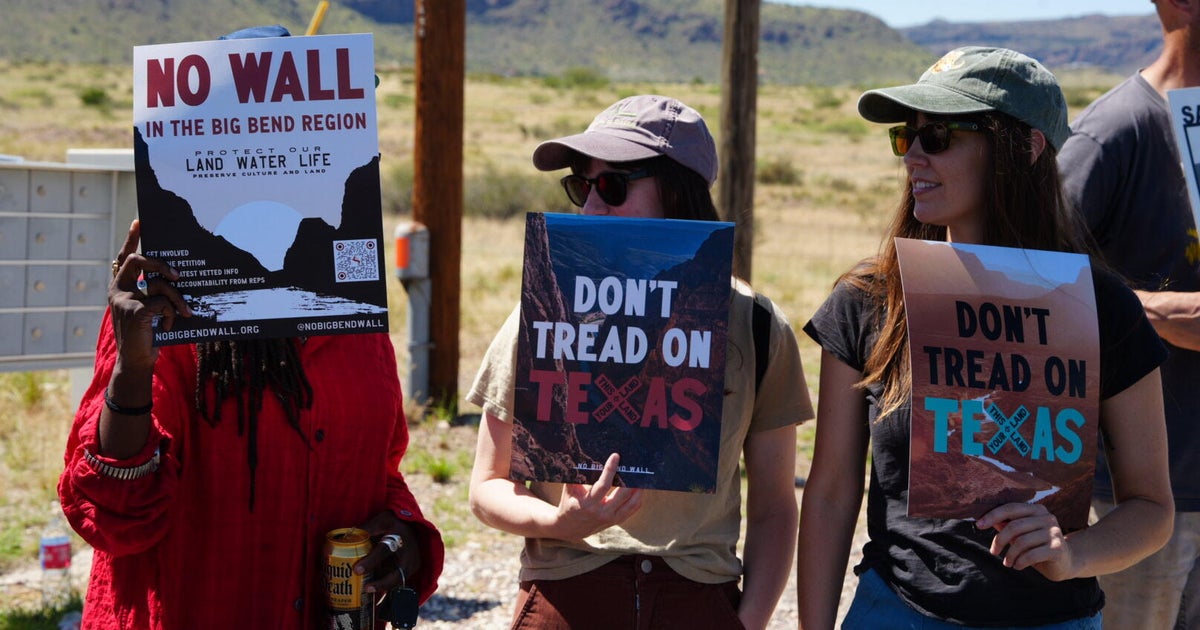
- On November 9, the U.S. Supreme Court allowed the federal government to resume construction of barriers, fences, and surveillance equipment along the U.S.-Mexico border in a remote part of Texas that includes Big Bend National Park.
- The Court ruled that Congress expressed a clear preference for expeditious border construction and that the government's desire to limit immigration overrules any aesthetic, recreational, and environmental harm.
- The decision was 8-1, with Justice Ketanji Brown Jackson dissenting.
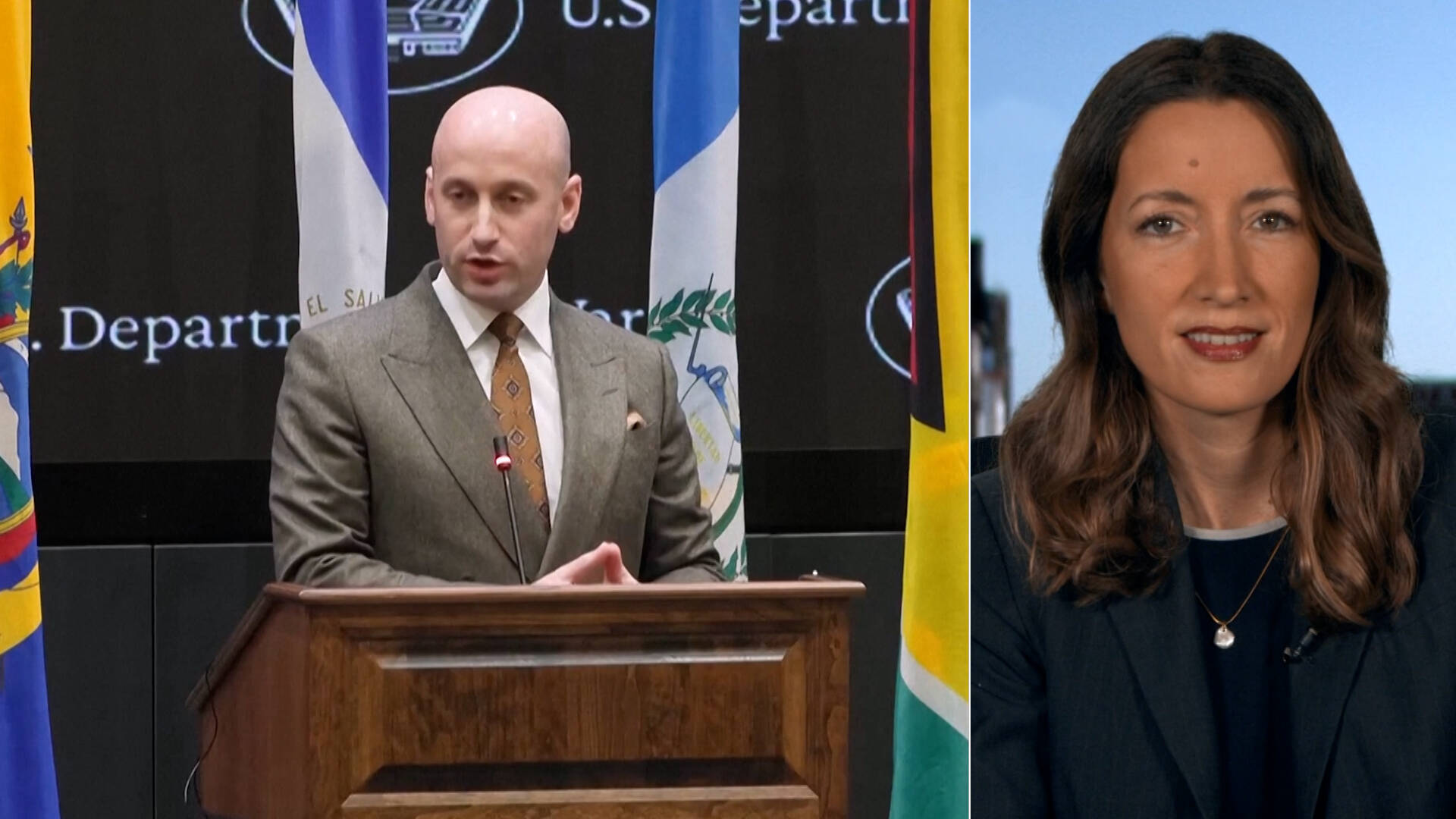
- Critics condemned the ruling, with Laiken Jordahl of the Center for Biological Diversity stating that the Trump Administration and its contractors are "hellbent on destroying one of America’s greatest national parks."
- Senator John Cornyn expressed concern about the financial burden of building a "30-foot wall atop a 1,000-foot riverbank cliff," and the Sierra Club expressed outrage, citing threats to wildlife habitat, cultural sites, and treasured landscapes.

The U.S. Supreme Court's 8-1 ruling on November 9 allows the Trump administration to resume construction of border barriers in Texas' Big Bend National Park, a project that has faced significant opposition due to its potential environmental impact.1
The court emphasized that Congress has shown a "clear preference for expeditious border construction," stating that the government's need to limit immigration outweighs any "aesthetic, recreational, and environmental harm."23
Critics, including Laiken Jordahl from the Center for Biological Diversity, expressed outrage, stating, “The Trump Administration and its contractors are hellbent on destroying one of America’s greatest national parks.” Local advocates argue that illegal crossings in the area are minimal and that the construction threatens local ecosystems and businesses reliant on tourism.5

The project includes a 30-foot wall, although plans for a wall inside the park have been abandoned.
“Texans should not have to bear another unnecessary financial burden caused by building a 30-foot wall atop a 1,000-foot riverbank cliff,” said Senator Cornyn. The Sierra Club also condemned the ruling, stating, “This destructive project threatens irreplaceable wildlife habitat, sacred cultural sites, and one of America’s most treasured landscapes.”67
“Justice Ketanji Brown Jackson dissented in the 8-1 decision. Critics, including Laiken Jordahl of the Center for Biological Diversity, said the administration is "hellbent on destroying one of America's greatest national parks," while Senator John Cornyn questioned the cost of a "30-foot wall atop a 1,000-foot riverbank cliff."”
Outside Magazine