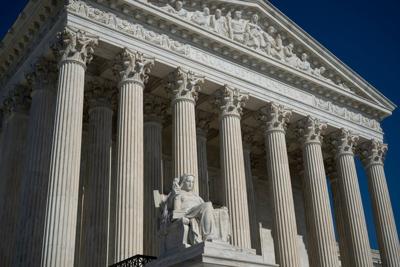
- The Supreme Court allowed Alabama to use a congressional map that eliminates a majority-Black district, facilitating a win for Republicans in the upcoming elections.
- This decision came after the Supreme Court granted an emergency request from Republican officials to use a map enacted in 2023 that has caused controversy due to its racial implications.
- The judicial panel previously found undisputed evidence of intentional racial discrimination in the drawing of Alabama's congressional map.
- Justice Sonia Sotomayor criticized the majority's decision, stating it disregards both democratic values and the rule of law.
- The Supreme Court's decision follows a ruling from a three-judge panel that found Alabama's congressional map kept a majority-Black population in just one of its seven districts, diluting the voting strength of Black Alabamians.
- This ruling is part of a growing pattern, where recent Supreme Court decisions have weakened protections against racial discrimination under the Voting Rights Act.
The U.S. Supreme Court has allowed Alabama to adopt a congressional map that eliminates one of its two majority-Black districts, favoring Republicans ahead of the 2024 elections. This 6-3 decision comes despite findings from a lower court that the map was drawn with intentional racial discrimination.12367

The ruling blocks an earlier injunction that sought to prevent Alabama from using the new map, which maintains only one majority-Black district out of seven. In dissent, Justice Sonia Sotomayor criticized the decision, stating it 'disregards both democratic values and the rule of law.'5
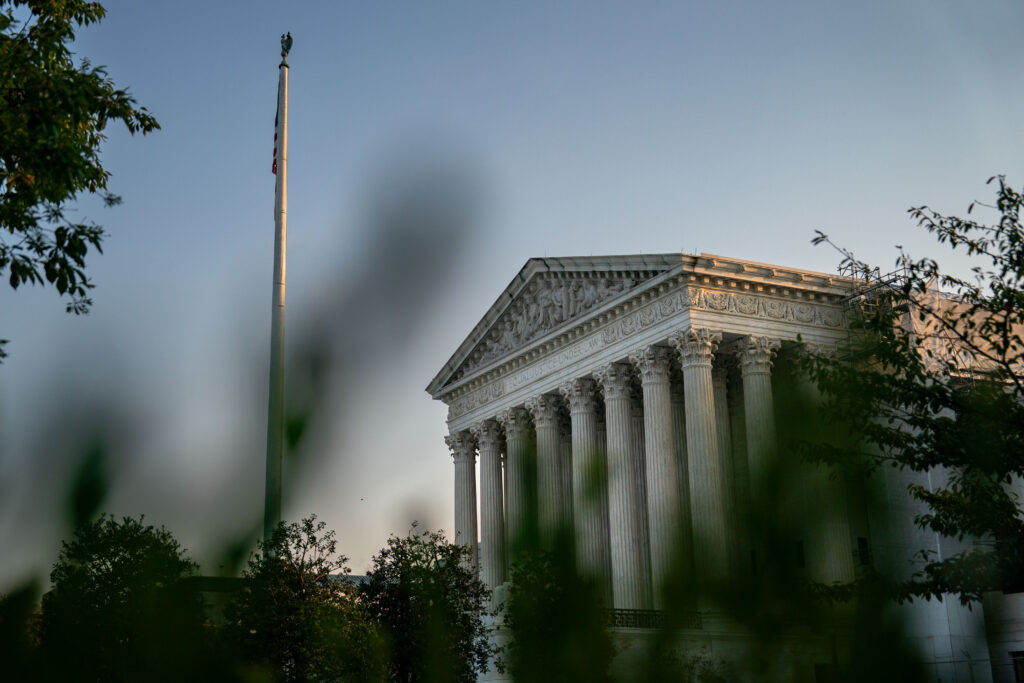
The lower court found 'undisputed evidence' of racial discrimination in the redistricting process, highlighting that Alabama lawmakers deliberately diluted the voting power of Black citizens. Three counties will be particularly affected, as their voters are divided across two districts, impacting approximately 600,000 registered voters, or around 15% of Alabama's total.4

This emergency appeal follows a recent Supreme Court ruling that struck down a similar Black-majority district in Louisiana, raising concerns about the potential for further discrimination under the Voting Rights Act. The court's decision represents a significant shift, permitting states greater freedom to redraw district lines in ways that may disenfranchise minority voters. Ultimately, the Supreme Court’s decision underscores the precarious state of voting rights and representation in America.
“The Supreme Court's decision enables Alabama to utilize a controversial congressional map that eliminates one of its majority-Black districts. This ruling raises concerns about systemic racial discrimination in voting practices across the state.”
