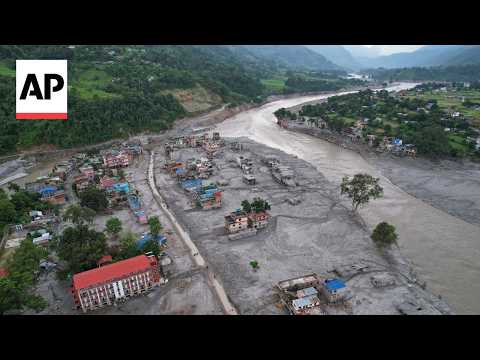
- Massive floods and landslides swept through Nepal and Tibet on 26 August, resulting in over 1,400 deaths and leaving thousands missing.
- A World Weather Attribution study published on Thursday found that human-induced climate change played a significant role in the disaster, describing it as a 'compound event'.
- Climatologist Friederike Otto stated there was 'absolutely no doubt' that climate change contributed to the disaster's preconditioning.
- The area experienced a magnitude 7.8 earthquake in 2015, which may have weakened the underlying rock mass, contributing to the disaster.
- Heavy snowfall in October and November added to the meltwater, which contributed to the flooding earlier this year.
A recent study has established a direct link between climate change and the devastating floods that struck the Nepal-Tibet border, resulting in over 1,400 fatalities and thousands missing. The research, conducted by the World Weather Attribution group, emphasizes that there is "absolutely no doubt that human-induced climate change played a role here in the preconditioning of the disaster," according to Friederike Otto, a climatologist at Imperial College London and one of the study's authors.
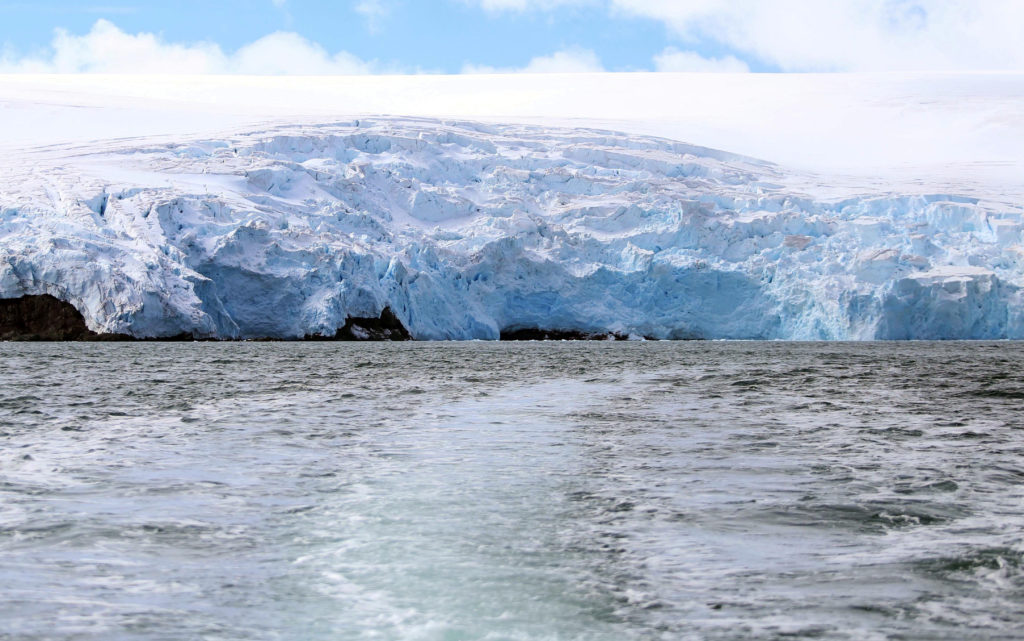
The floods, which occurred on 26 August, were described as a "compound event" triggered by a combination of factors including rising temperatures, thinning glaciers, thawing permafrost, and existing geological weaknesses. The study noted that temperatures in the region during July and August were approximately 1.5°C (34.7°F) warmer due to human influence on the climate.

Additionally, glaciers in the area have been thinning by about half a metre (1.6ft) per year, which may have exacerbated existing fractures and increased instability. The combination of heavy snowfall in the preceding months and the resultant meltwater contributed to the disaster's severity. The large glacier collapse was so powerful that it registered as a magnitude 5.2 earthquake, according to data from the United States Geological Survey (USGS). The study concludes that while climate change was a significant destabilizing factor, it was not the sole cause of the disaster, which also involved pre-existing geological conditions.5
“The World Weather Attribution study attributes the disaster to a 'compound event' of rising temperatures, thinning glaciers, thawing permafrost, and geological weaknesses. July and August temperatures were 1.5C warmer due to human influence, and the glacier impact registered as a magnitude 5.2 earthquake.”
 The Guardian
 BBC
BBC