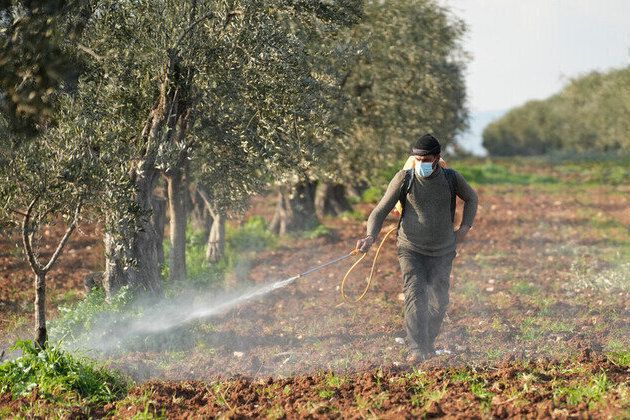
- Nearly half of the world's estimated 934 million farmers suffer unintentional pesticide poisoning each year, according to a study published Wednesday in the journal Frontiers in Public Health.
- The study, conducted by researchers from the Pesticide Action Network (PAN), analyzed 214 publications from 2006 to 2023 alongside World Health Organization mortality data.
- It estimated up to 433 million cases of unintentional acute pesticide poisoning annually, affecting around 46% of agricultural workers worldwide.
- About 11,000 cases are fatal each year, with nearly 60% of fatalities occurring in India.
- Burkina Faso records the highest national incidence at nearly 84% of farmers suffering from acute pesticide poisoning each year.
- Researchers are calling for immediate action, including phasing out highly hazardous pesticides.
- The burden of pesticide poisoning falls disproportionately on the Global South, with South and Southeast Asia and eastern Africa recording the highest estimated numbers of cases.
- The study highlights that systemic failures in data collection have masked this global public health crisis, with many cases going unreported.
- The risks posed by pesticides add to wider food-security challenges, particularly in developing countries already struggling with climate shocks, conflict, and pressure on agricultural production.
Nearly half of the world's 934 million farmers suffer unintentional pesticide poisoning each year, according to a study published in Frontiers in Public Health. The research, conducted by the Pesticide Action Network (PAN), analyzed data from 214 publications and WHO mortality statistics from 2006 to 2023.12
The study estimates up to 433 million cases of acute pesticide poisoning annually, affecting approximately 46% of agricultural workers globally. The burden is particularly severe in the Global South, with South and Southeast Asia and eastern Africa recording the highest incidences. In Burkina Faso, nearly 84% of farmers are estimated to suffer from acute pesticide poisoning each year.36
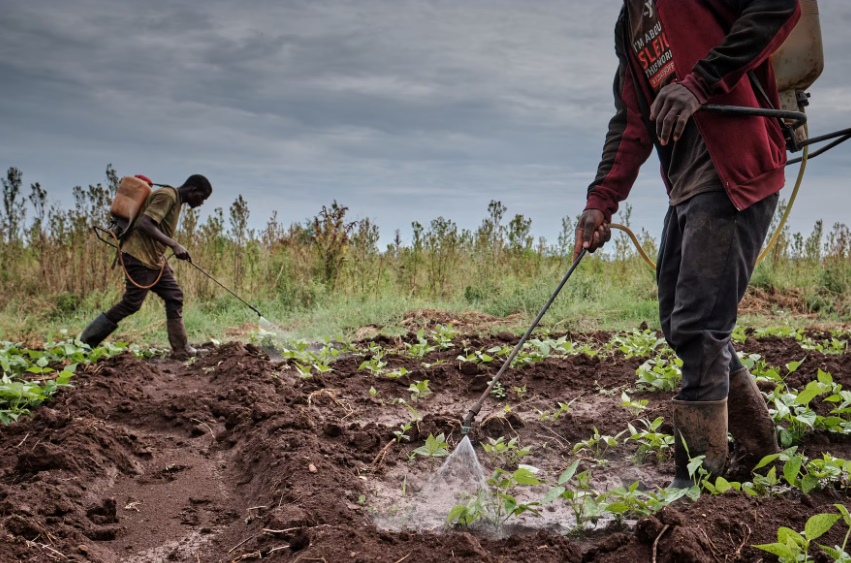
The report highlights that 11,000 deaths occur annually due to pesticide poisoning, with nearly 60% of these fatalities in India. Researchers emphasize that these figures may underestimate the true scale of the crisis, as many cases go unreported due to limited healthcare access and inadequate training for recognizing poisoning symptoms.45
“Behind these staggering numbers are farmers, workers and families paying a terrible human price for pesticide exposure,” said PAN India Executive Director Jayakumar Chelaton. The study calls for immediate action, including phasing out highly hazardous pesticides and supporting farmers in adopting safer agricultural practices.7
Despite global efforts to address the issue, pesticide use has more than doubled since 1990, with 3.8 million tonnes used in 2023. The findings underscore a critical public health crisis that demands urgent attention and action.
“The study, published in Frontiers in Public Health, analyzed 214 publications from 2006 to 2023 and estimates about 11,000 deaths annually, with nearly 60% occurring in India. Researchers urge phasing out highly hazardous pesticides, noting that underreporting masks the true scale of the crisis.”
 malaysiasun.com
 theguardian.com