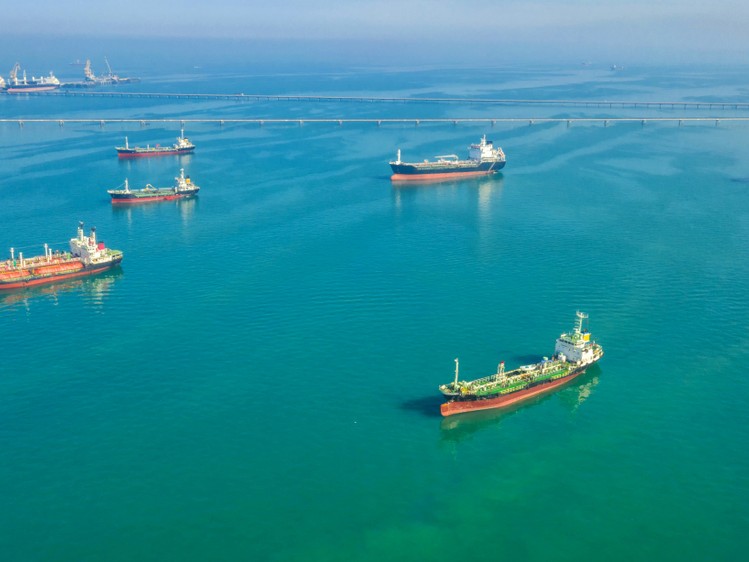
- Observable traffic transiting the Strait of Hormuz remained at a trickle as Iranian threats heightened safety concerns for shipowners and crews considering a trip through the waterway.
- Tanker traffic remains subdued despite President Trump's talk of peace, with only three tankers crossing on Monday, down from seven on Sunday.
- Security incidents near Oman have kept vessels on edge, with reports of three incidents involving explosions and projectiles damaging vessels.
- Shipping activity was sharply subdued, with only 17 vessel crossings recorded through the Strait of Hormuz on August 2, significantly lower than July's average.
- President Trump's claims of renewed interest in peace talks pressured oil prices, but doubts about the veracity of these claims have emerged.
- Traffic weakened significantly during the second half of July, with the daily average dropping to 17 as the memorandum of understanding underpinning the peace agreement collapsed.
- Shipping activity through the Strait of Hormuz remained sharply subdued going into August, with vessel crossings falling well below July's average due to security risks.
Traffic through the Strait of Hormuz has plummeted as security incidents near Oman raise alarms among shipowners. Only 17 vessel crossings were recorded on August 2, a stark contrast to 848 transits in July, reflecting escalating tensions and fears of Iranian threats.34
Despite President Trump's assertions of imminent peace talks, skepticism remains high. “We are looking for new creative and unconventional ways to pressure and punish Iran,” a CENTCOM officer stated, indicating a lack of genuine diplomatic progress.
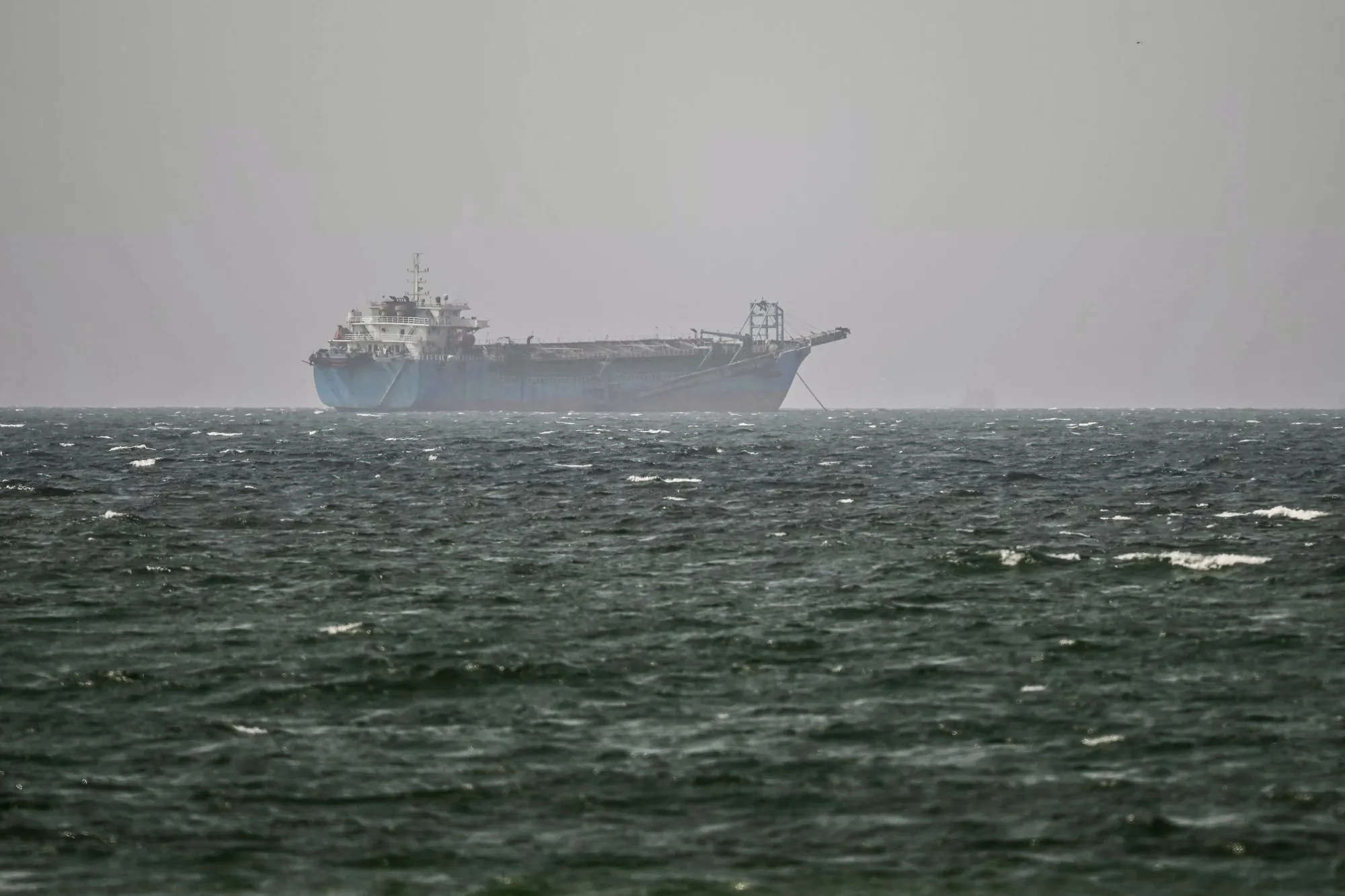
Recent maritime incidents, including an LNG carrier struck by an unidentified projectile, have further exacerbated safety concerns. Three incidents were reported in just a few days, with one explosion occurring 20 nautical miles northeast of Khasab.
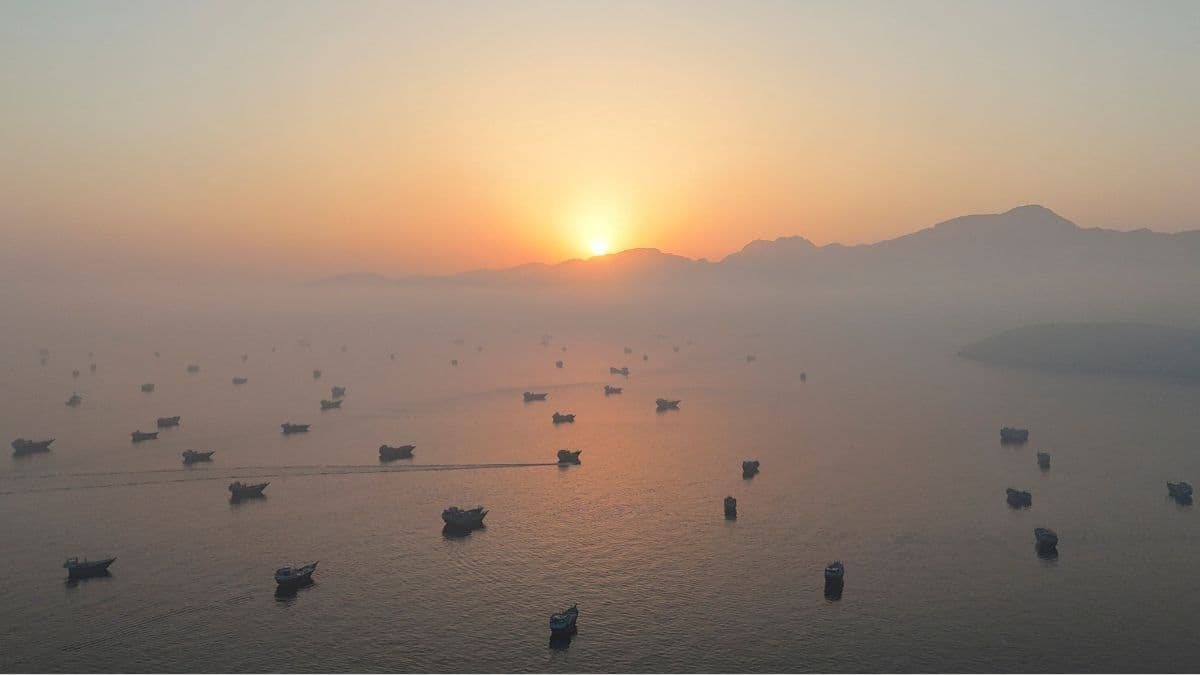
The composition of traffic has also shifted, with 53% of vessels linked to Iran in July, up from 42% in June. Meanwhile, Iraqi crude movements through Hormuz have decreased by 27% from June, translating to 648,000 barrels per day in July.
As tensions persist, the outlook for shipping in this critical corridor remains uncertain, with oil prices fluctuating and traders wary of the geopolitical landscape.
“Kpler data counted only three tanker crossings through Hormuz on Monday, down from seven on Sunday, with 12 through Bab el-Mandeb. S&P Global’s tally showed 17 transits on Aug. 2 versus 848 in July, while a CENTCOM officer asked for “new creative and unconventional ways to pressure and punish Iran.””
 Crude Oil Prices Today | OilPrice.com
 Firstpost



