- Tanker attacks in the Persian Gulf have led to reports of slowing Hormuz traffic.
- Last week, reports about slowing Hormuz traffic boosted oil for a 5% weekly gain, reinforced by fresh attacks on tankers in the Persian Gulf.
- During the weekend, statements by Iran Foreign Minister Abbas Aragchi (no peace talks with the U.S.) and the U.S. president (Americans must live with higher gasoline prices) added upward pressure to prices.
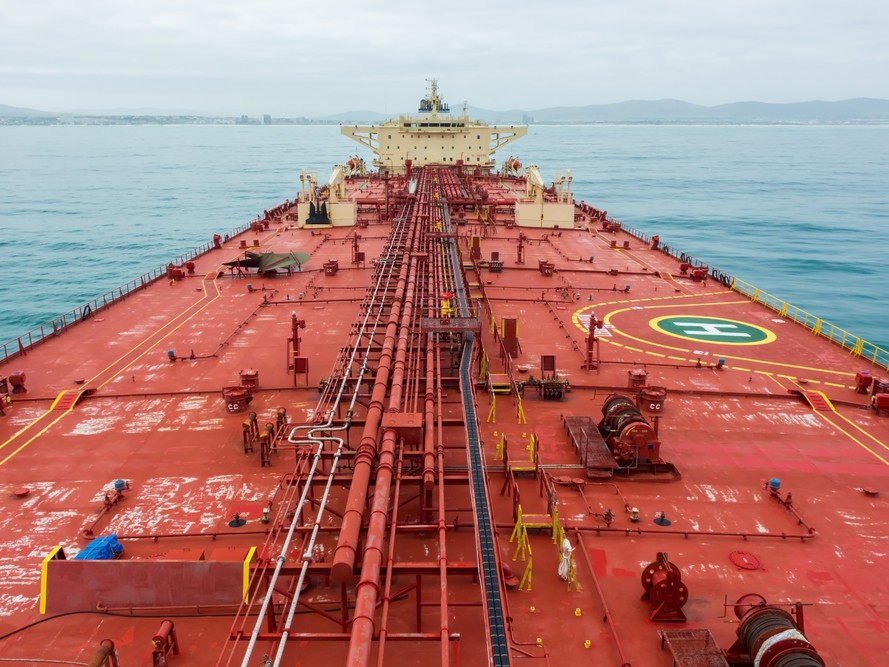
- Ships entering the strait on Saturday included an empty Very Large Crude Carrier with its Automatic Identification System switched off and an Indian-flagged Very Large Gas Carrier that used the Iranian route, Kpler data showed.
- A small tanker laden with Iranian fuel oil exited the strait, according to Kpler data.
- The United States said it could maintain a naval blockade of Iran indefinitely.
- Separately, Bloomberg reported that tankers moving in and out of Hormuz with transponders off were keeping a lid on prices.
- According to Phillip Nova analyst Priyanka Sachdeva, oil prices have rebounded almost completely from early August lows as hopes for a permanent U.S.-Iran resolution faded and geopolitical risk premiums returned.
- News about a massive build in U.S. oil inventories helped keep prices below peaks reached earlier in the year.
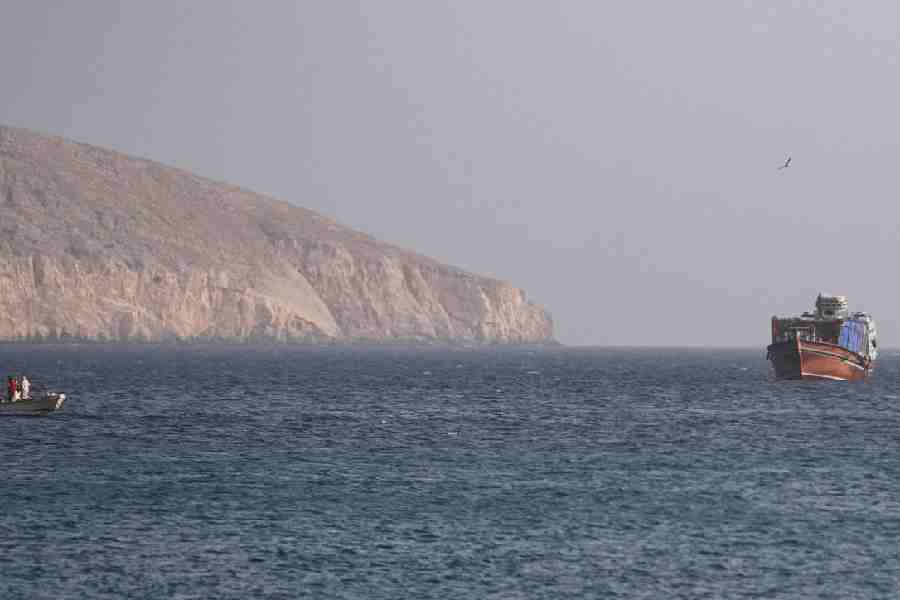
Shipping through the Strait of Hormuz has come to a near standstill following attacks on tankers, with only five vessels transiting on Saturday compared to 31 the previous weekend.
The United Arab Emirates reported that three vessels operated by the Abu Dhabi National Oil Company were attacked last week, leading to heightened tensions in the region.
"Oil prices have now rebounded almost completely from the lows seen in early August," said Phillip Nova analyst Priyanka Sachdeva, as geopolitical risks have returned to the market.
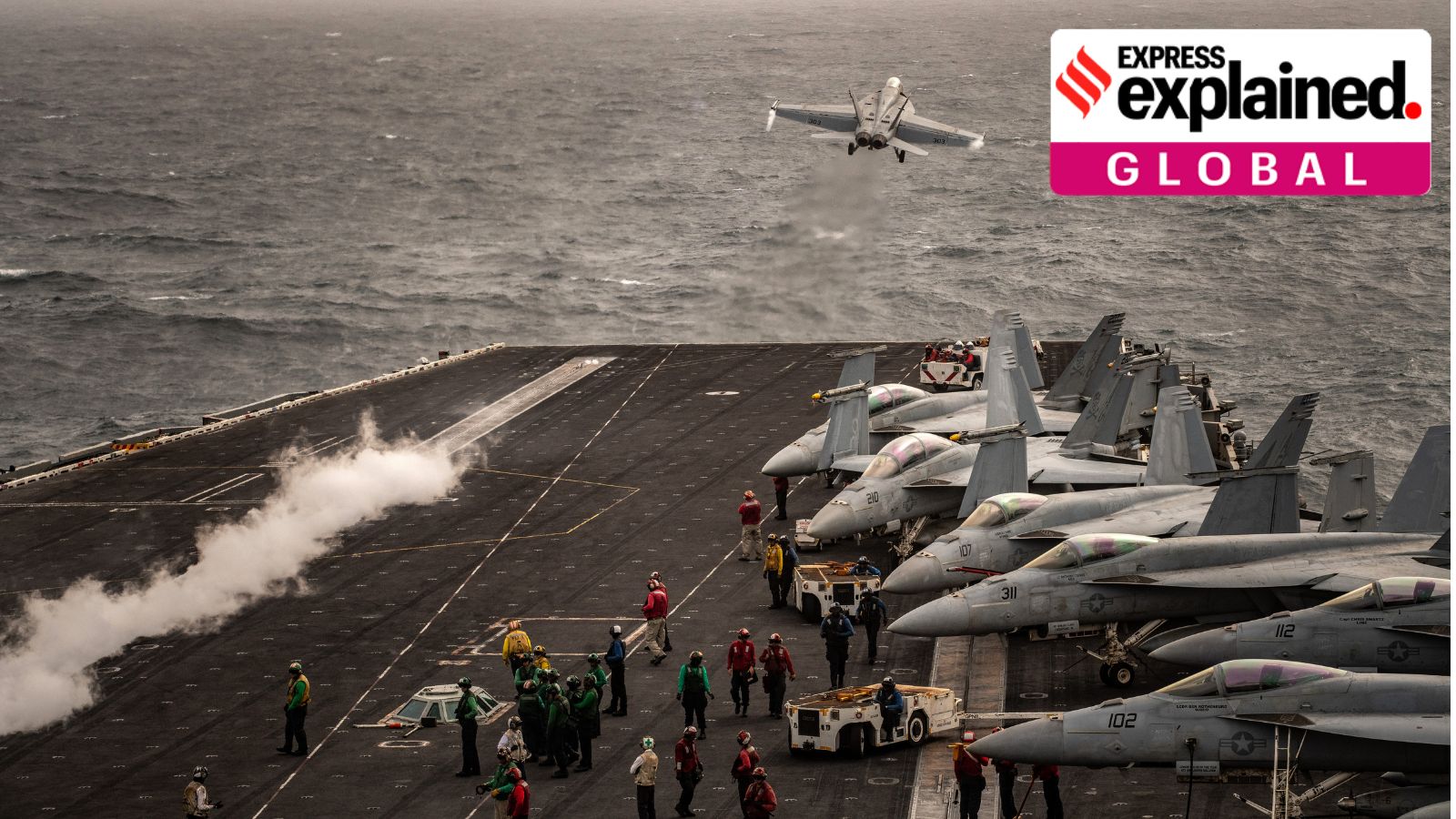
The U.S. has stated it could maintain a naval blockade of Iran indefinitely, which could further impact shipping traffic.
Foreign Minister Abbas Araqchi emphasized that Washington must meet Iran's conditions regarding the strait for shipping to resume.
The situation has led to upward pressure on oil prices, with reports of slowing Hormuz traffic contributing to a 5% weekly gain in oil prices.
"Some ships may pass through undetected with transponders off," but the current figures are significantly lower than the more than 130 ships a day that traversed the strait before the recent conflict.
As tensions escalate, the future of shipping through this critical waterway remains uncertain.
“Kpler data shows an empty Very Large Crude Carrier entered with its AIS off, while an Indian-flagged gas carrier used the Iranian route. Oil prices rebounded almost completely from early August lows as hopes for a U.S.-Iran resolution faded, with a 5% weekly gain last week.”



 Crude Oil Prices Today | OilPrice.com