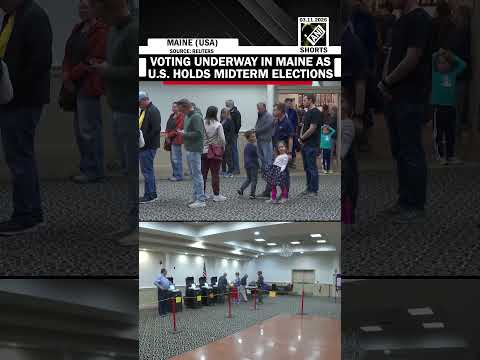
- Voting began for the US midterm elections, with voters casting ballots in multiple states including Washington DC, Virginia, Maine, Pennsylvania, California, Texas, New York, Florida, Illinois, Georgia, and Michigan.
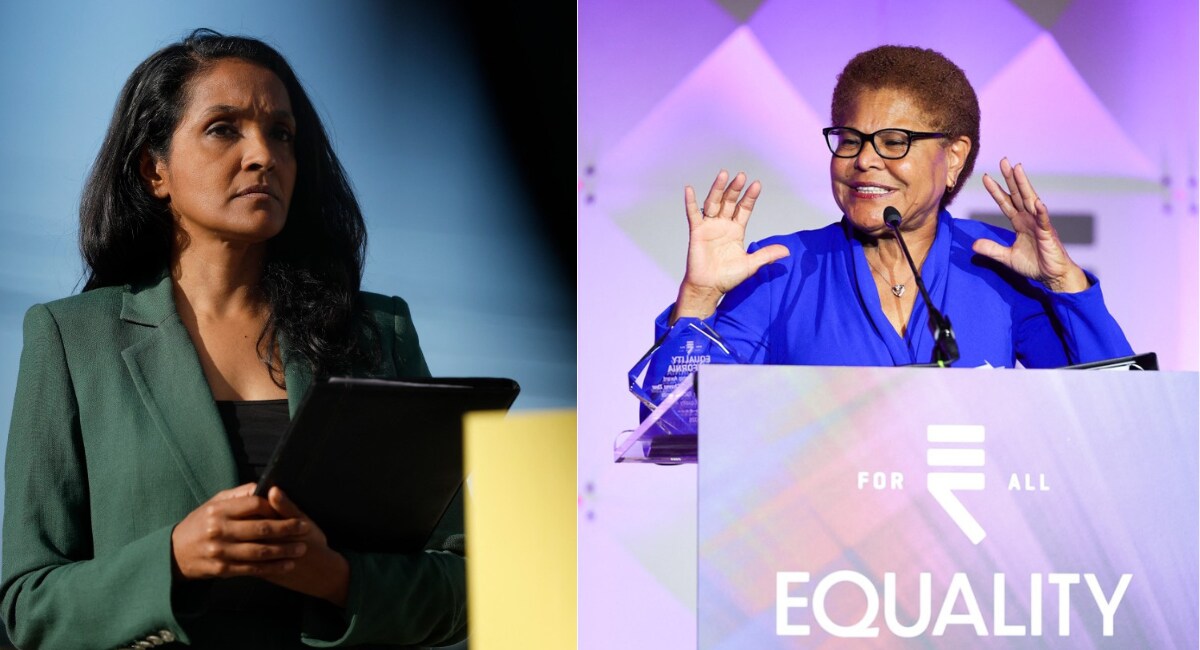
- Notable candidates and politicians participated in voting, including Democratic mayoral nominee Janeese Lewis George in DC, Democratic US Senate candidate Chris Pappas in New Hampshire, Los Angeles mayoral candidate Nithya Raman in California, and Senator Susan Collins, the Republican candidate in Maine.
- Voter turnout was evident with long lines, early arrivals, and pre-dawn queues at various polling locations, including Oak Lawn library in Dallas and outside a fire station in Georgia.
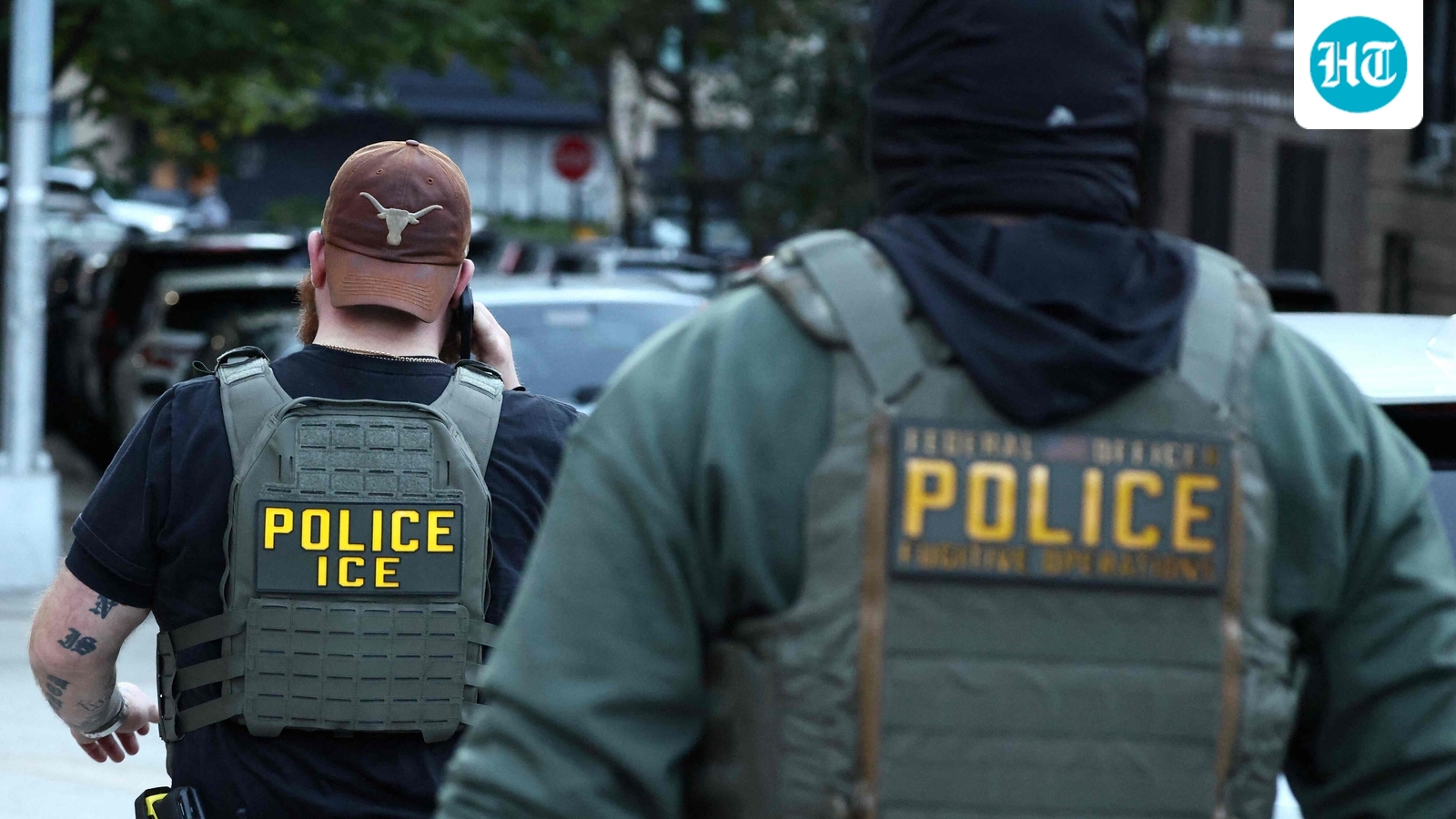
- State officials who run US elections are braced for possible intervention by President Donald Trump's administration in Tuesday's midterms, fearing federal authorities could disrupt voting, challenge ballot counts or try to block unfavourable results.
- The Justice Department has sued 30 states and the District of Columbia to obtain voter registration lists, claiming it needs them to find non-citizens; it has lost more than two dozen of those cases.
- Trump offered $1 million for information leading to a voter fraud conviction, without giving details.
- The US Supreme Court ruled in June that states may count mail ballots postmarked by election day that arrive afterward.
- In January, the FBI seized ballots and other 2020 election records in Fulton County, Georgia, a focus of Trump's false claims.
- The US Supreme Court rejected California's request to set aside ballots from about 20,000 people whom it suspects are non-citizens.

State officials are on high alert as the Trump administration's potential interference looms over the midterm elections. Concerns center on possible disruptions to voting and ballot counts, with the Justice Department suing 30 states for voter registration lists, claiming a need to identify non-citizens.91011
The White House asserts it is safeguarding election security, yet many scenarios remain speculative. The US Constitution does not grant the president a direct role in elections, and courts have largely dismissed the administration's legal challenges. Despite this, the Justice Department has warned election officials they could face prosecution for allowing non-citizens to vote, and has demanded ballots be set aside from thousands suspected of being non-citizens.
In a significant move, the Justice Department plans to deploy around 1,000 election monitors nationwide, the largest such operation in history. While the department insists these monitors will be unarmed and non-intrusive, concerns persist that their presence could intimidate voters. Trump has also hinted at extreme measures, including a potential national emergency declaration, although legal experts argue this would not grant him authority over elections.
As the midterms unfold, experts warn that any unresolved disputes could delay the seating of newly elected lawmakers in January. Legal teams from Democrats and voting rights groups are prepared to counter any interference, emphasizing that courts have consistently upheld states' rights over election processes.
“The Justice Department has sued 30 states and the District of Columbia for voter registration lists, losing more than two dozen cases, and demanded ballots be set aside from about 20,000 people in California, a request the Supreme Court rejected. Trump has offered $1 million for information leading to a voter fraud conviction.”


 The Guardian