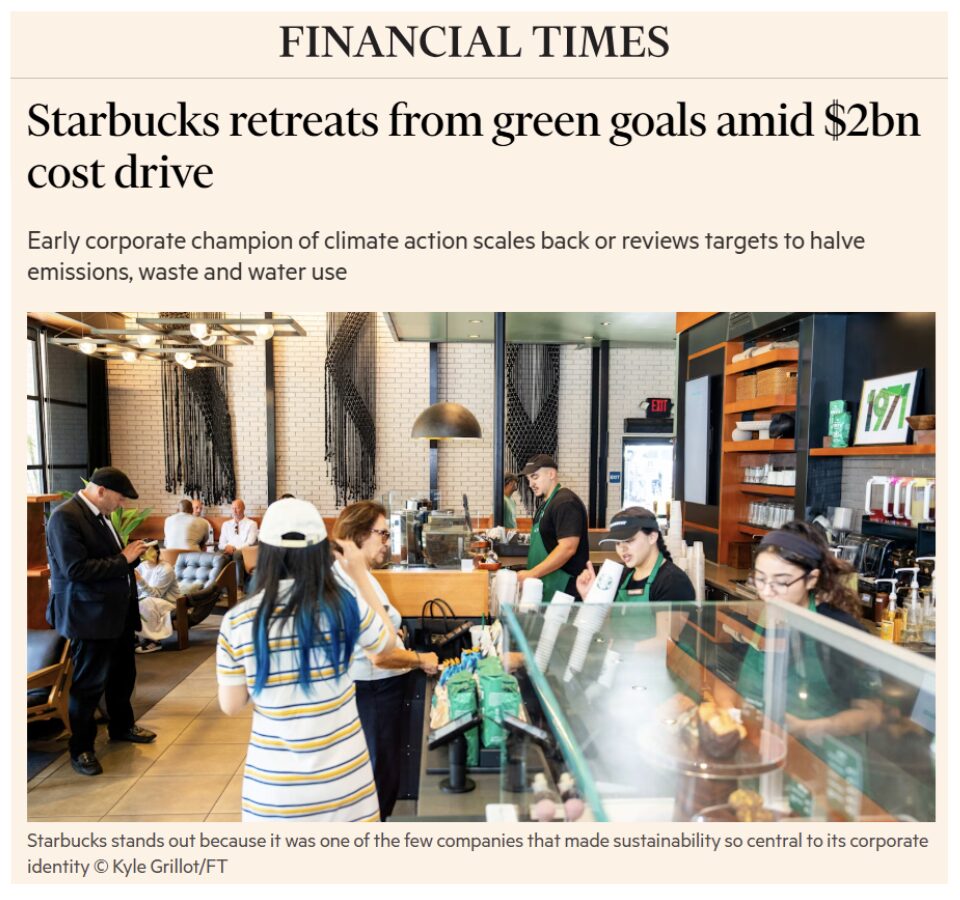
- Starbucks opened its first cafés in China’s Xinjiang region, prompting criticism from activists and US lawmakers over the coffee giant’s decision to expand into an area widely scrutinized for human rights violations.
- John Moolenaar, chairman of the Select Committee on China, called on Starbucks to close its stores, labeling the decision as 'morally bankrupt'.
- Starbucks stated on its official WeChat platform that it would continue investing in Xinjiang, blending local culture and customer needs.
- Starbucks opened its first two stores this week in Xinjiang's capital, Urumqi, including one at the city centre's grand bazaar and a second at its international airport.
- China denies allegations of repressing Xinjiang’s Muslim Uyghur population, claiming its policies are aimed at combating terrorism, separatism, and religious extremism.
- Pictures of the stores posted on WeChat showed Starbucks' logo in English and Chinese, with no obvious images of any Uyghur-language signs.
Starbucks has opened its first two stores in Xinjiang's capital, Urumqi, including one at the grand bazaar and another at the international airport. This expansion has drawn sharp criticism from U.S. lawmakers, with John Moolenaar, chairman of the Select Committee on China, labeling the decision as "morally bankrupt".23
"There is no justifiable reason for an American company to do business in a region where the CCP has detained more than a million Uyghurs and is stripping them of their faith, language, and culture," Moolenaar stated, urging Starbucks to "immediately reverse course and close its stores."
Activists have condemned the move, highlighting ongoing human rights violations against the Uyghur population, which the Chinese government denies, claiming its policies are aimed at combating terrorism and extremism.
Starbucks, however, maintains that its new outlets are designed to offer a unique experience that incorporates local culture and customer needs. The company's China CEO, Liu Wenjuan, expressed intentions to continue investing in Xinjiang, despite the backlash.45
The opening of these cafés comes amid a broader context of increased foreign investment in the region, with Chinese state media reporting a 22% year-on-year increase in new foreign-funded enterprises. Starbucks operates approximately 8,000 outlets in China as part of its joint venture with Boyu Capital, which holds a 60% stake.
“The two new stores are in Urumqi, including at the grand bazaar and international airport, with no Uyghur-language signs visible. Starbucks' China CEO Liu Wenjuan said the company would continue investing, while the joint venture with Boyu Capital operates about 8,000 outlets in China.”
 Semafor