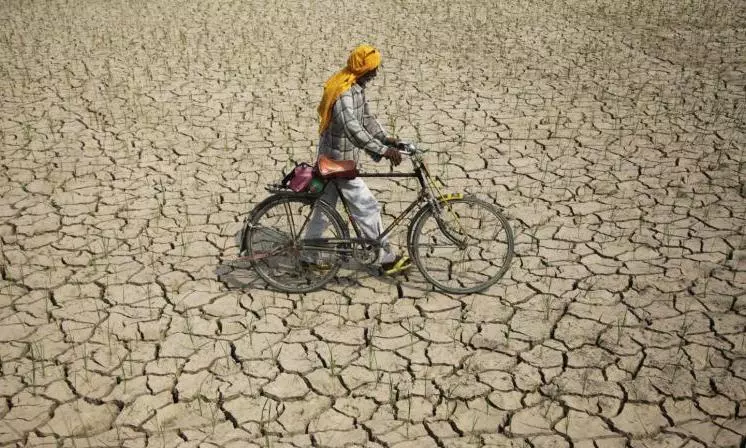
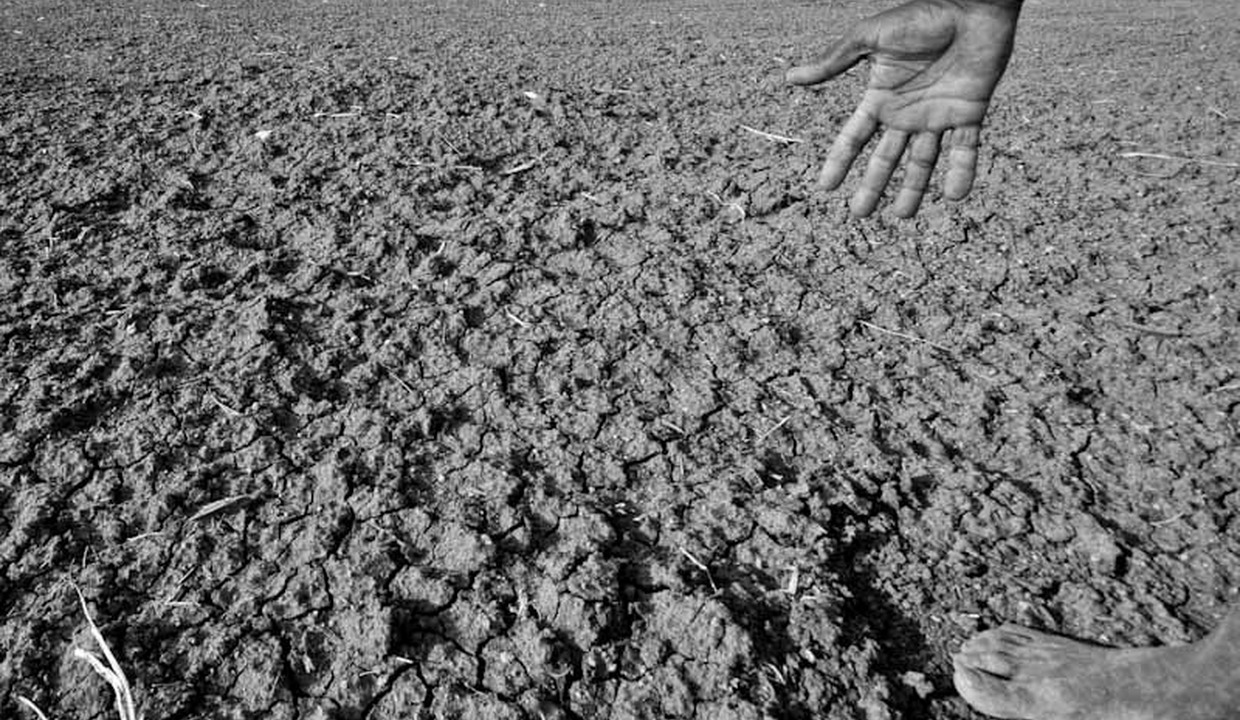
- Over 115,000 people in Sri Lanka are facing drinking water shortages as an emerging El Nino condition, coupled with high temperatures and scant rainfall, intensified dry weather across parts of the island.
- The Meteorology Department has indicated that an El Nino condition is developing and could be contributing to the prevailing weather pattern.
- Starting next week, park managers will ban tourists from the watering hole and other busy areas to give animals relief after months without rain.
- Authorities have ordered water-management measures across large parts of the island as they face their worst dry spell in nearly a decade.
- The meteorological department states that El Nino is at the start of a nine-month cycle, with heavier rains expected in November-December and a second major drought from February.
- El Nino, a periodic warming of the central and eastern tropical Pacific Ocean, can alter temperature patterns across the region.
- The World Meteorological Organization warned last week that the planet could be about to face the strongest ever roll-out of the El Nino phenomenon, raising the risks of extreme weather.
- Experts believe that Sri Lanka, an island nation surrounded by the Indian Ocean, is likely to feel the effects of El Nino more intensely due to global warming.
Sri Lanka is grappling with severe drought conditions, exacerbated by an emerging El Nino phenomenon, which has left over 115,000 people without adequate drinking water.16
Meteorology Department Director General Ajith Wijemanna noted that the developing El Nino could be influencing the current weather patterns, leading to high temperatures and minimal rainfall.2
The island nation, surrounded by the Indian Ocean, is expected to experience the effects of El Nino more intensely, as experts warn of a potential nine-month cycle of drought followed by heavy rains.
In response to the crisis, Yala National Park has implemented a rare month-long closure of its most visited areas to prioritize the welfare of wildlife suffering from heat stress.
Wildlife ranger Sujeewa Nishantha emphasized, "We have to put the animals first," explaining that the closure is necessary to ensure animals have easy access to water without the interference of tourists.
The World Meteorological Organization has cautioned that the planet may soon face the strongest El Nino event on record, raising concerns about extreme weather patterns globally.7
As Sri Lanka braces for the worst dry spell in nearly a decade, authorities are implementing water-management measures across the island to mitigate the impact of this environmental crisis.4
“The month-long closure of the most visited areas comes as authorities brace for the worst dry spell in nearly a decade, with the meteorological department warning of a second major drought from February. Wildlife ranger Sujeewa Nishantha said the closure is necessary because animals suffering from heat stress need easy access to water.”