- Óscar Puente has resigned as Spain's transport minister six days after a high-speed train collision that killed at least 69 people and injured dozens.
- Puente stated, "A transport minister in a country like Spain cannot remain in office after two accidents of this seriousness in less than a year," referring to a previous crash in January that killed 46 people.
- Puente announced he would withdraw from the early legislative elections scheduled for November 29.
- Opposition and transport workers' unions had called for Puente's resignation following the crash, criticizing the safety of the rail system.
- Last week's crash involved a train operated by state-owned Renfe colliding with a stationary train from private operator Iryo, resulting in significant casualties.
- Authorities reported a combination of human and computer errors led to the crash, with a safety system failure that had halted all rail traffic.
- Protests erupted outside the transport ministry headquarters, with demonstrators demanding accountability from the government.
Spain's Transport Minister Óscar Puente resigned just six days after a catastrophic train collision that resulted in 69 fatalities and numerous injuries. This incident marked the second major rail disaster within a year, following a January crash that killed 46 people.
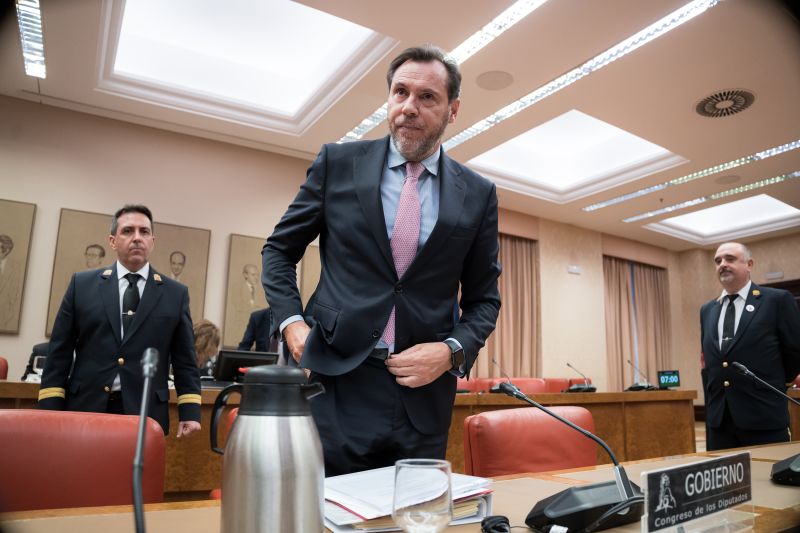
Puente stated, "A transport minister in a country like Spain cannot remain in office after two accidents of this severity in less than a year, however different they may be and regardless of whether or not they bear direct responsibility for them." His resignation reflects a commitment to political dignity and respect for the victims, as he also withdrew from the upcoming legislative elections scheduled for 29 November.
The recent crash involved a high-speed train operated by Renfe colliding with a stationary train, attributed to a combination of human and computer errors. Puente noted, "There was a red signal prohibiting movement, yet the train was authorized to proceed. It is a decision made under inexplicable circumstances." The incident has raised serious concerns about the safety of Spain's high-speed rail system, which has been described as unsafe by many Spaniards, including Prime Minister Pedro Sánchez, who acknowledged that the system's credibility is "broken".
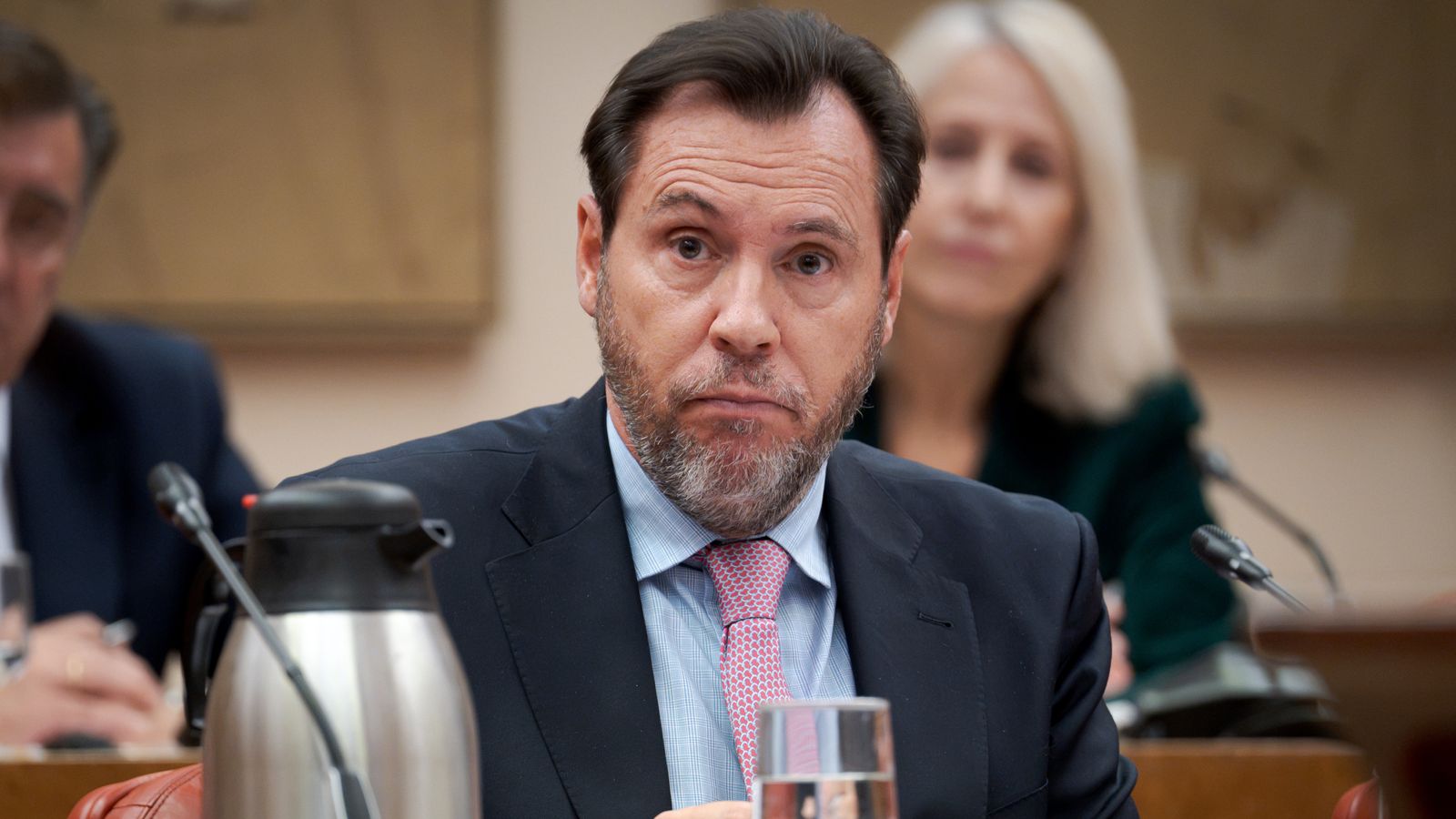
Numerous politicians and transport workers' unions had called for Puente's resignation, and protests erupted outside the transport ministry following the crash. Sánchez praised Puente's decision, stating it was made "out of respect for the victims and the progressive project."7
“The resignation comes just three weeks before early general elections on November 29, with many observers seeing the accident as an electoral setback for Prime Minister Pedro Sánchez's Socialist-led government. Opposition argued Puente tried to deflect blame by pointing to human error, while recordings suggest the Renfe train was cleared to move despite a red signal.”