- Spanish Prime Minister Pedro Sanchez told parliament that no institution – not the diplomatic service, the European Commission, nor any international body – has provided any solid evidence that Morocco planned or carried out the Ceuta border incident.
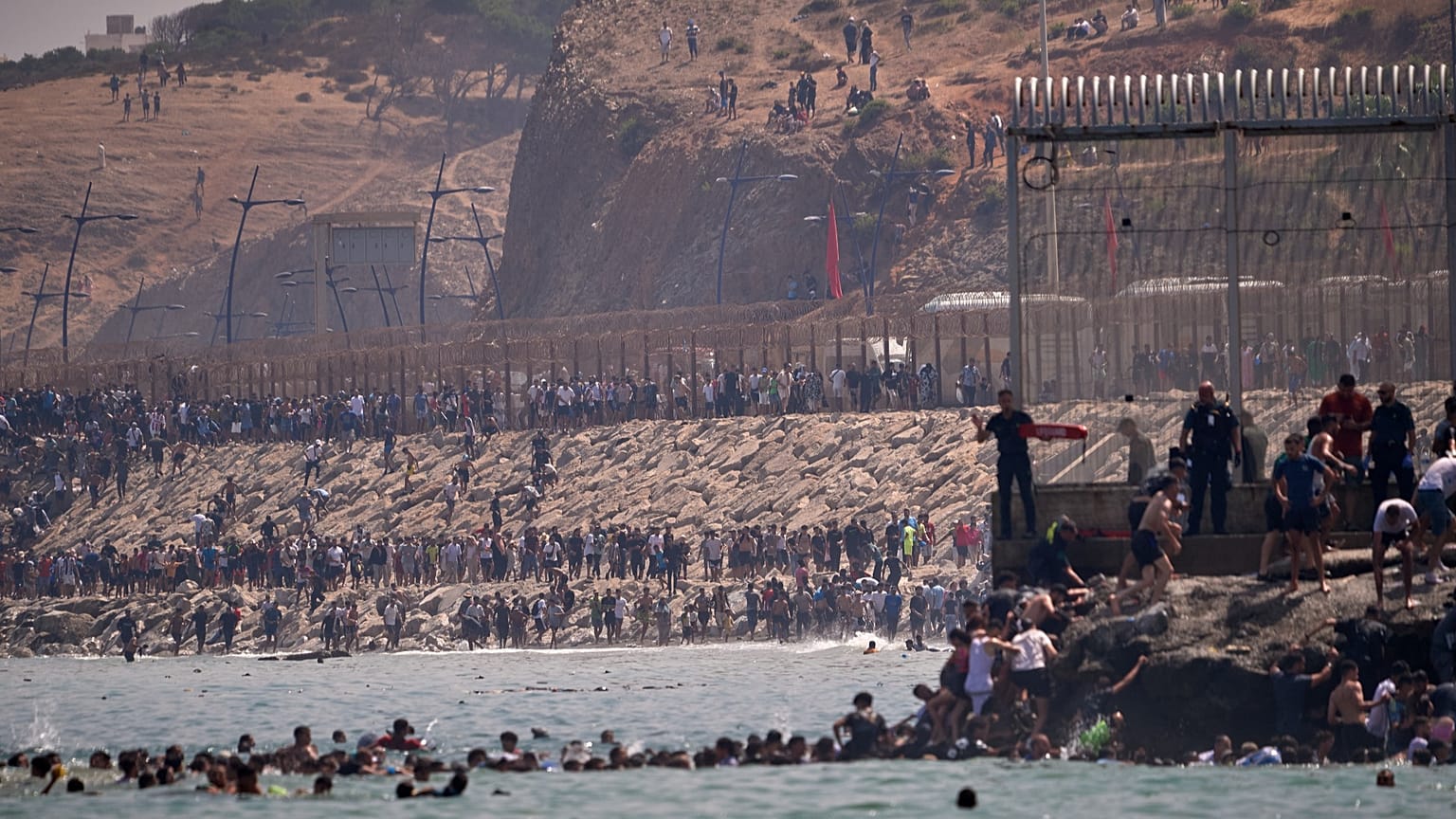
- Sanchez acknowledged that Moroccan police did allow crossings during a key 10-hour period on July 30 when migrant arrivals peaked, but Spanish authorities had yet to determine whether this was due to inaction or inability.
- Spain summoned Morocco's ambassador on August 21 because of "unacceptable statements" made by two Moroccan ministers over Ceuta and Melilla.
- A police report, commissioned by a High Court judge and seen by Reuters, alleged that Moroccan security forces were initially deployed in smaller numbers than usual and did not make a serious attempt to disperse crowds.
- The report described the Moroccan police response as "total permissiveness", with no serious attempt to reduce, disperse, or remove the crowd, and cited migrants saying they received guidance from Moroccan security forces.
- Moroccan authorities denied any permissiveness, blaming the crossing on traffickers, a misinterpretation of a Spanish court ruling, and social media dissemination; Justice Minister Ouahbi said they avoided bloodshed and handled the crisis "wisely and with sang-froid".
- The police report concluded that trafficking groups in Morocco could mobilise at most about 300 migrants a day, lacking the capacity to orchestrate an event of those dimensions.
Spain's Prime Minister Pedro Sanchez has firmly stated that there is no solid evidence linking Morocco to the recent surge of over 70,000 migrants at the Ceuta border. Speaking in parliament, he addressed claims from a police report suggesting the incident was a planned effort to overwhelm border controls.15
The report, commissioned by a High Court judge, alleged that Moroccan security forces displayed 'total permissiveness' during the incident, allowing crossings to occur without serious intervention. Sanchez noted that Moroccan police permitted crossings during a critical 10-hour period on July 30, when migrant arrivals peaked.23
Despite these allegations, Sanchez emphasized that the Spanish government has not received any credible evidence from international bodies indicating that Morocco orchestrated the incident. He mentioned that Spanish authorities are still investigating whether the Moroccan response was due to inaction or inability to manage the influx.
Moroccan authorities have denied any wrongdoing, attributing the surge to traffickers and a misinterpretation of a Spanish court ruling that opened a legal loophole for arrivals by sea. Justice Minister Ouahbi stated that Moroccan authorities chose not to intervene to prevent bloodshed, claiming they handled the situation 'wisely and with sang-froid.'910
The police report also indicated that trafficking groups in Morocco could only mobilize about 300 migrants a day, suggesting they lacked the capacity to orchestrate such a large-scale event.11
“Sanchez acknowledged Moroccan police allowed crossings during a key 10-hour period on July 30, but Spanish authorities have yet to determine if it was inaction or inability. A police report seen by Reuters said trafficking groups could mobilise at most about 300 migrants a day, lacking capacity for such an event.”