- Pedro Sánchez confirmed that Spain will hold a snap general election on November 29 after his Socialist party's failure to pass housing reforms in Parliament.
- Sánchez's Socialist party is trailing the conservative People's Party in polls, which may form a government with the far-right Vox party.
- In his announcement, Sánchez warned of an extreme-right wave in Europe and emphasized Spain's role as a global example of peace, feminism, and prosperity.
- The rejection of housing relief measures by Parliament has intensified public concern over housing affordability, which has been a top issue for years.
- Housing affordability has been a significant concern in Spain, with average rents nearly doubled over the past decade and home prices rising by about 90 percent.
- Public outrage over housing issues intensified following the televised eviction of an 87-year-old woman in Madrid last month.
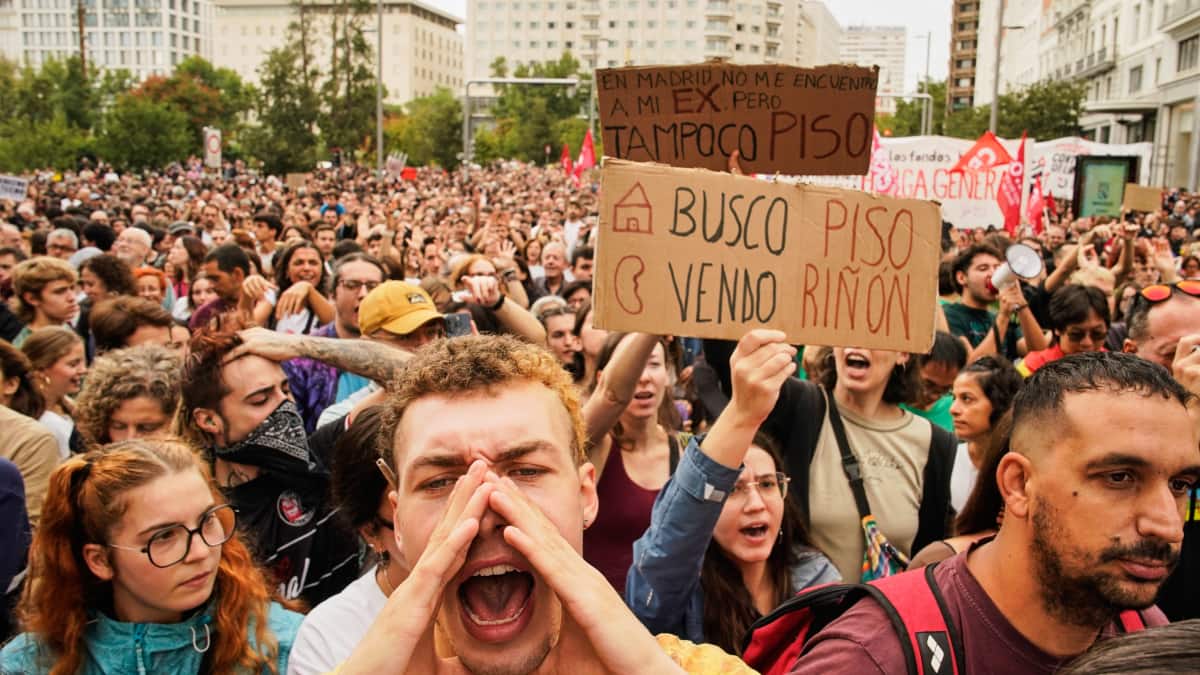
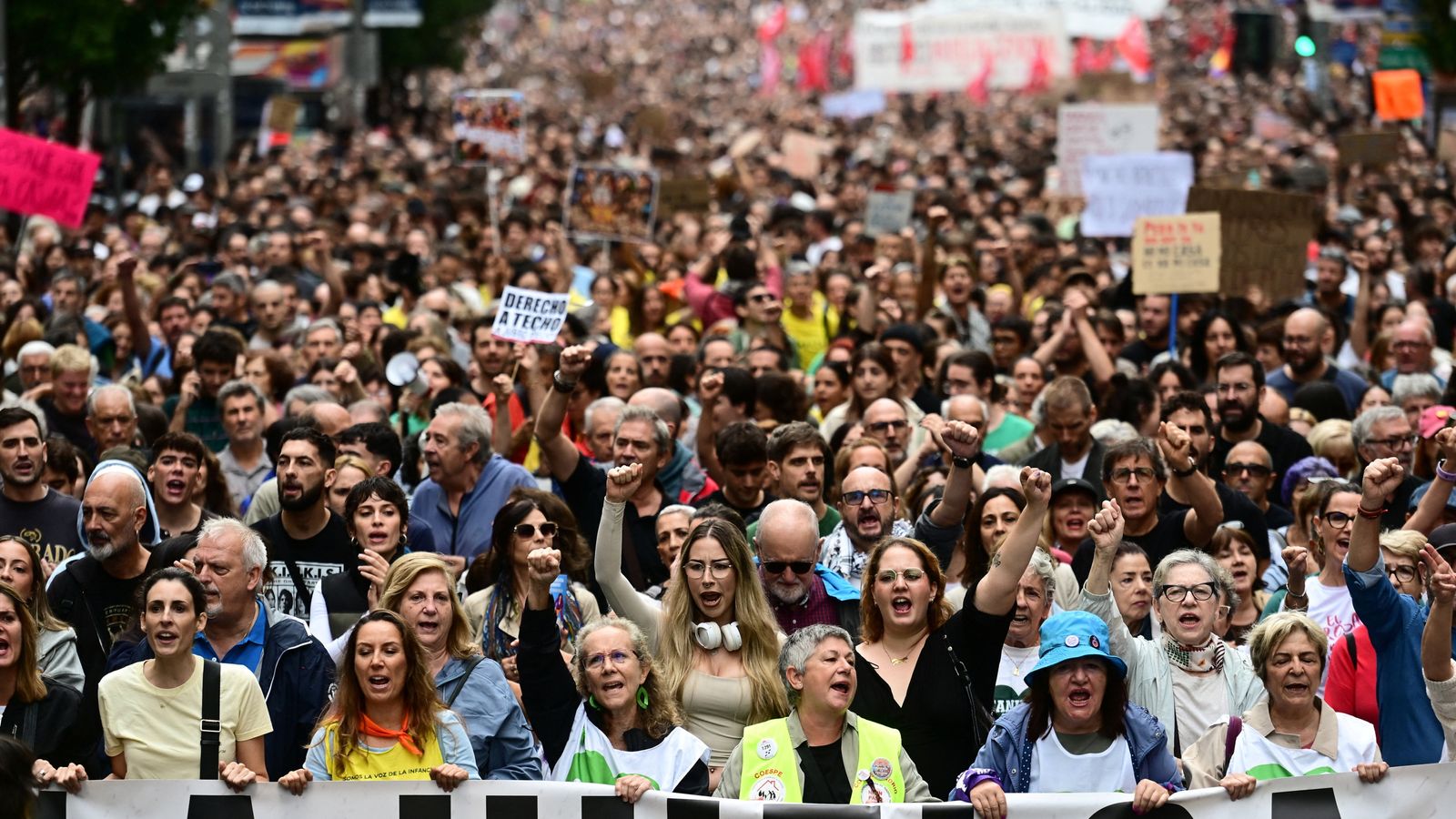
- Over 70,000 people participated in a housing protest in Madrid, reflecting the growing discontent among citizens regarding housing policies.
- If Sánchez loses the upcoming election, it would mark the end of one of Europe's last left-leaning governments as the far right gains influence across the continent.
- Sánchez has faced challenges in forming a stable government, having never won enough votes for a majority and relying on fragile coalitions.
Spain's Prime Minister Pedro Sanchez announced a snap election for November 29 after his minority government failed to pass crucial housing reforms. In a televised address, he stated, “We need to renew people’s support” and emphasized the need for a stronger progressive majority to address pressing social issues.1
The announcement follows public outrage over housing affordability, particularly after the eviction of an elderly woman in Madrid, which sparked protests with over 70,000 participants demanding action. Average rents have nearly doubled in the past decade, with home prices rising by 90 percent, highlighting the urgency of the housing crisis.56

Sanchez acknowledged his government's shortcomings, admitting, “I also know that part of that social majority is dissatisfied today”. Polls indicate that the conservative People's Party (PP), potentially in coalition with the far-right Vox, is likely to win, marking a significant political shift. PP leader Alberto Nunez Feijoo urged voters to consider change, stating, “The question I put to voters is whether they want four more years of what we’ve been living through, or whether they want to give change a chance”.
Sanchez's warning about the rise of the extreme right reflects broader concerns in Europe, as he aims to position Spain as a bastion of “peace, feminism and prosperity” amidst growing political tensions.
“The housing crisis has fueled public anger, with over 70,000 protesting in Madrid after the eviction of an 87-year-old woman. Rents have nearly doubled in a decade, and a PP-Vox coalition would mark the first far-right entry into government since Franco.”




 BBC
BBC