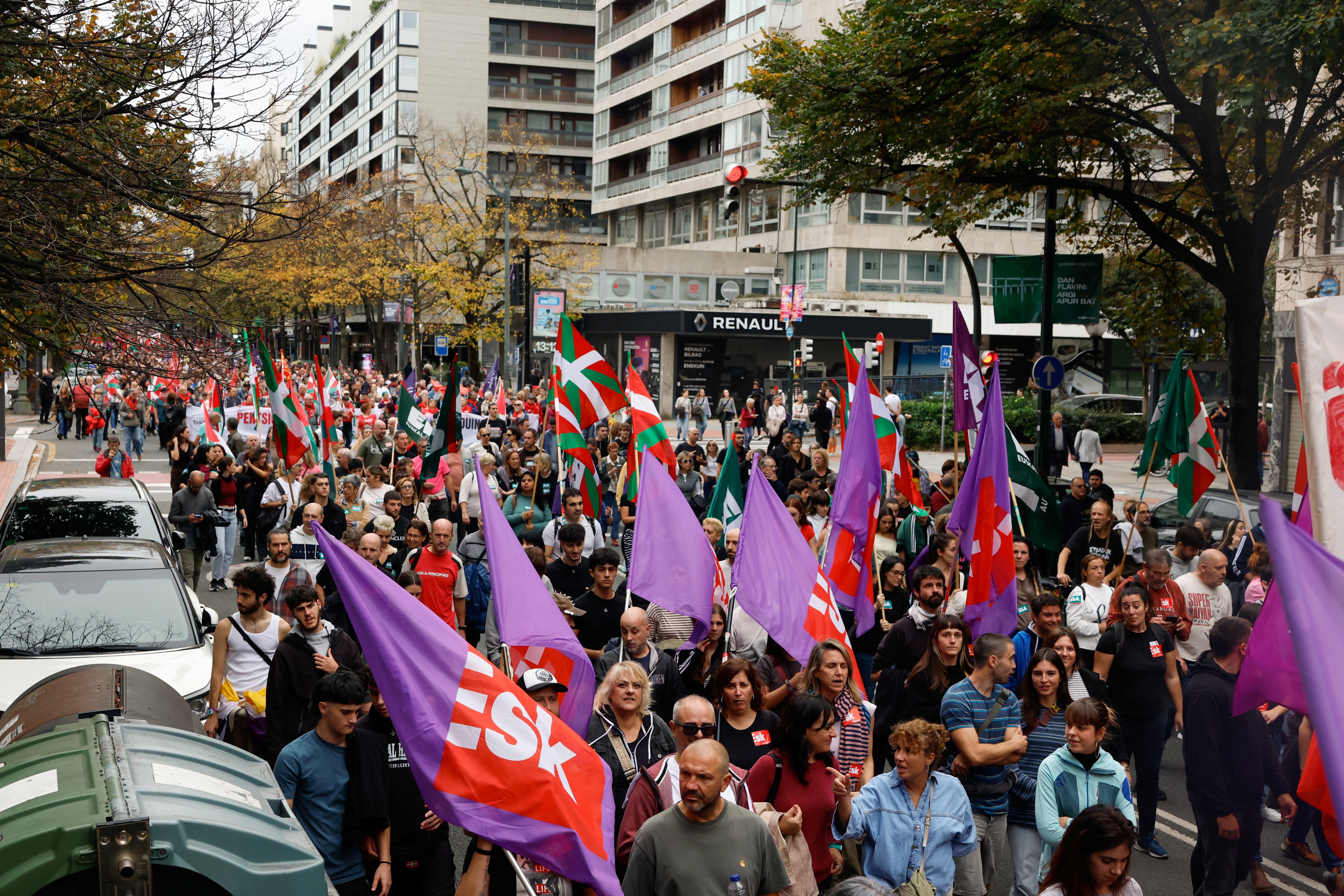
- Spain's first general strike in 14 years saw approximately 120,000 people take to the streets of Madrid and 55,000 in Barcelona on Wednesday evening, despite heavy rain.
- The general strike was called by UGT and CCOO unions alongside housing activist groups to address stagnant wages, failing public services, and a spiraling cost of living.
- Protests were marked by some violence, with small groups smashing storefronts in Barcelona and police using pepper spray at Mercamadrid, resulting in at least 13 people seeking medical attention.
- The upcoming snap election on November 29 is expected to focus heavily on housing issues, following the protests.
- Anger over housing has intensified in recent months, particularly following the high-profile eviction of Maricarmen, an 87-year-old pensioner in Madrid.
- Spain faces a significant housing crisis, with a deficit of about 750,000 homes projected to exceed one million by 2028.
- Average rent in Spain is €1,176 ($1,315), which constitutes 99% of the average young person's salary, highlighting the affordability crisis.

Spain's first general strike in 14 years mobilized around 120,000 people in Madrid and 55,000 in Barcelona, protesting against a severe housing crisis and escalating living costs. The strike, organized by the UGT and CCOO trade unions, aimed to address stagnant wages and failing public services.12
The protests were ignited by the high-profile eviction of an 87-year-old pensioner, Maricarmen, in Madrid, symbolizing the housing crisis that has reached a boiling point. Union leaders described the turnout as “massive,” although support varied across sectors, peaking in heavy industry and coastal hubs. Conversely, the CEOE employers' federation dismissed the strike as a “failure,” claiming minimal disruption in commercial sectors.
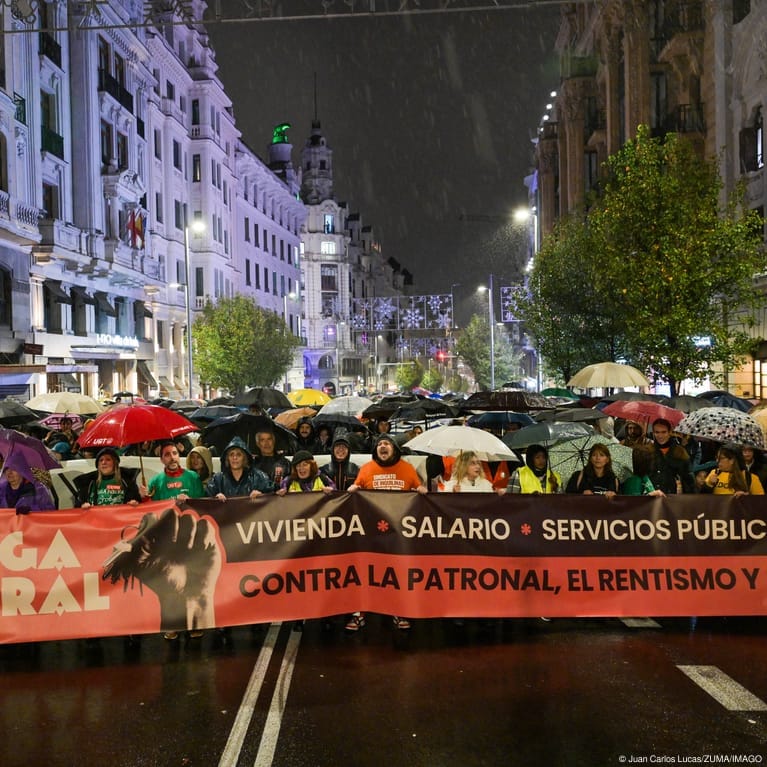
With a snap election looming on November 29, the strike underscores the urgency of housing affordability in the national campaign. The government of left-wing Prime Minister Pedro Sánchez attempted to pass legislation to ease renters' plight but faced opposition in parliament. Despite this, Sánchez's government supported the strike, framing it as a movement “in favor of rights.”
The housing crisis is exacerbated by a deficit of about 750,000 homes, projected to exceed a million by 2028. The average rent in Spain is €1,176 ($1,315), consuming nearly 99% of the average young person's salary. Activists vow to transform the housing model, emphasizing that homes should be for living, not for profit.
“The strike, called by UGT and CCOO unions, aimed to address stagnant wages and a spiraling cost of living, with the CEOE employers' federation dismissing it as a 'failure'. Housing activists in Barcelona claimed 400,000 attended, far exceeding the city's official count.”





 DW.com