- At least 72,000 migrants crossed from Morocco into Ceuta on 30 and 31 July, leading to a significant crisis for the Spanish government.
- A leaked police report suggested that Moroccan forces played a role in pushing migrants into Ceuta, which has put the Spanish government on the defensive.
- In response to the leaked report, Spanish Interior Minister Fernando Grande-Marlaska ordered police to clarify the claims, which contradict the government's narrative.
- Opposition leader Alberto Núñez Feijóo accused the government of knowing about the situation and covering it up, intensifying political pressure on Prime Minister Sánchez.
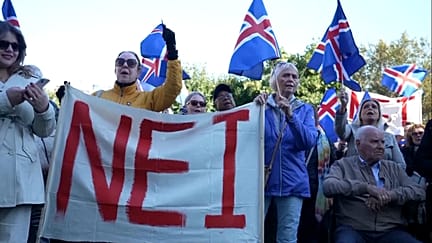
- Protests erupted across Spain, including a large rally in Madrid where over 50,000 people gathered, demanding accountability from the government.
- Ceuta President Juan Jesús Vivas blamed Morocco for the crisis and demanded that all migrants be returned to restore normality in the city.
- Moroccan authorities have denied any involvement in orchestrating the mass crossing of migrants, despite allegations in the leaked report.
- Spanish ministers have provided conflicting accounts regarding what they knew about the situation prior to the migrant influx, leading to further scrutiny.
- Pressure on Sánchez's government has intensified following reports that the National Police's report pointed to Moroccan gendarmes' involvement in the migrant crossings.
- Ceuta's situation has been described as a violation of Spain's territorial integrity, with local leaders calling for urgent action to address the crisis.
Spain is in turmoil after leaked police reports indicated Moroccan forces may have facilitated the entry of around 80,000 migrants into Ceuta, leading to widespread protests and accusations of a government cover-up. The crisis has intensified as thousands remain stranded in the city, causing frustration among locals.2
The leaked documents suggest that Moroccan authorities acted with “total permissiveness” during the unprecedented influx, contradicting the government’s narrative that blamed social media misinformation and human traffickers. Interior Minister Fernando Grande-Marlaska has faced criticism for his handling of the situation, which has been described as Spain's most serious national security breach in modern history.7
Opposition leader Alberto Núñez Feijóo accused Prime Minister Pedro Sánchez of knowing about Morocco's involvement and covering it up. “A Spanish city has been invaded, occupied and, unfortunately, this happened with the knowledge of the Government of Spain,” he stated during a protest in Madrid that drew over 50,000 people.

The protests, fueled by local discontent over the government's response, have seen demonstrators calling for the migrants to be sent back or redistributed across Spain. As many as 5,000 migrants remain in makeshift camps, exacerbating the crisis for Sánchez, who has been accused of abandoning Ceuta's residents.
The situation remains tense as the government struggles to manage the fallout from the leaked reports and the ongoing protests, with calls for Sánchez to resign growing louder.
“At least 72,000 migrants crossed into Ceuta on 30-31 July, with up to 5,000 still stranded, prompting near-daily local protests. Ceuta President Vivas accused Morocco of seeking to 'suffocate, harass and bring down' the city, while Madrid has requested Frontex assistance.”
 Euronews.com