
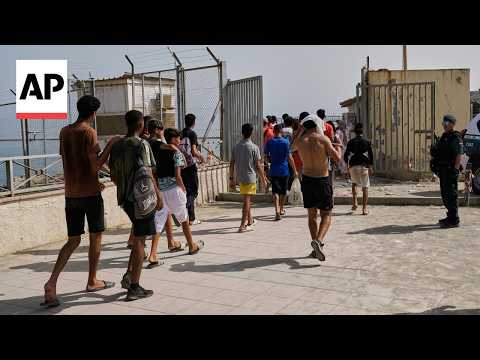
- The migration crisis prompted a swift diplomatic and security response between Spain and Morocco to return all migrants who entered Ceuta illegally, and both governments blamed human trafficking networks for exploiting a recent Supreme Court ruling to encourage irregular crossings.
- The crisis coincided with Morocco’s Throne Day and the Supreme Court ruling against ‘on-the-spot’ returns; individuals and clandestine networks used social media to incite people to go to Ceuta.
- Morocco is described as the country most adversely affected by the crisis, which tarnishes its image as a country undergoing development and modernisation, as outlined in King Mohammed VI’s address.
- The analysis rejects the idea that Moroccan authorities organised the crossings on Throne Day, noting that the King’s reception was taking place just 40 kilometres away; instead, it was organised to mar the festivities and cast a shadow over Morocco’s significant economic growth and major social progress.
- Morocco currently has no need to prove anything to Spain or resort to blackmail; it has opened its market to Spanish companies since 2007 and is the most important market for Spanish exports on the African continent.
- The crux of King Mohammed VI’s speech is described as stability and security in Morocco, economic growth from industrialisation, 80 per cent self-sufficiency in food and pharmaceuticals, and the challenge of inequality through integration plans.
- The King emphasised annual growth of 5 per cent, directed a message to the Moroccan political class to implement development strategies so benefits reach the population, and described the upcoming parliamentary elections on 23 September as decisive.
- There is said to be a foreign hand behind the events, with attempts to undermine or tarnish progress in North Africa; the analysis highlights the Atlantic initiatives for the port of Dakhla and the Nigeria–Morocco gas pipeline.
Spain and Morocco are responding to a new migration crisis in Ceuta, with plans to return all migrants who entered illegally. The surge is attributed to human trafficking networks exploiting a recent Supreme Court ruling that limits immediate returns of migrants.1234589
The situation coincides with Morocco's Throne Day celebrations, a time when clandestine networks reportedly incited crossings via social media. "This was organised to mar the festivities and cast a shadow over the country’s significant economic growth and major social progress," said an analyst.67
Morocco, which has been modernizing under King Mohammed VI, faces challenges of inequality and integration, as highlighted in his recent address. “We have achieved a great deal and are currently enjoying annual growth of 5 percent,” he stated, emphasizing the need for development benefits to reach all Moroccans.1011
Despite the migration crisis, Morocco remains a regional power, with significant economic ties to Spain, being its most important market in Africa. “Morocco has opened its market to Spanish companies since 2007,” noted an expert, underscoring the importance of stability in the region for both countries.
Analysts warn that external forces may be attempting to destabilize Morocco, but the country’s resilience and progress are expected to prevail.
“The crossings unfolded on Morocco's Throne Day while the King's reception was taking place just 40 kilometres away, and analysts reject the idea that Moroccan authorities organised them. The crisis also coincided with a Supreme Court ruling against 'on-the-spot' returns, underscoring legal constraints on the response.”



 Atalayar



