
- SpaceX raised $85.7 billion in its initial public offering, making it the largest IPO in history.
- Musk's net worth increased to $1.3 trillion after SpaceX shares surged 20% on their first full trading day.
- SpaceX's IPO raised $10 billion more than initially thought, with the total reaching $85.7 billion.
- SpaceX's IPO dwarfs the first-day raises of Meta, AT&T, and Nvidia, highlighting its unprecedented scale.
- SpaceX's market cap reached $2.1 trillion following the IPO, making it the sixth-largest U.S. company.
- Only 4% of SpaceX shares are being offered to the public, with the remaining 96% owned by Musk and early backers.
- The IPO included a greenshoe option that allowed underwriters to purchase an additional $10 billion in shares.
SpaceX's IPO raised $85.7 billion, making it the largest in history. The company offered 555.56 million shares at $135 each, initially valuing it at $1.8 trillion. After underwriters exercised a greenshoe option, the total raised increased significantly.
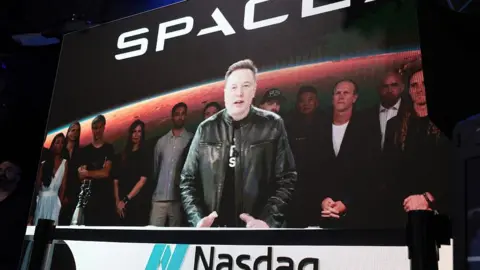
Shares surged over 19.5% on their first trading day, closing at more than $192. This surge contributed to a $164.8 billion increase in Musk's net worth, now at $1.3 trillion, placing him roughly $1 trillion ahead of the second-wealthiest person, Larry Page.
The IPO attracted over $350 billion in investments, with $100 billion from retail traders and $250 billion from institutional investors. The underwriters, including Goldman Sachs and JPMorgan, exercised the greenshoe option fully, purchasing an additional 83.3 million shares to meet demand.
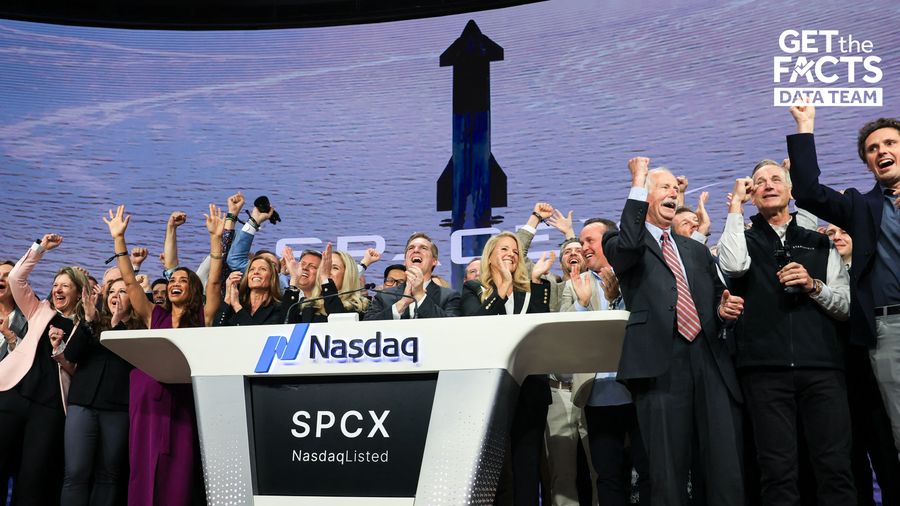
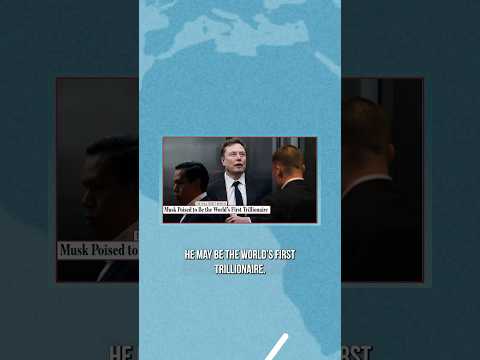
Musk's wealth surge marks a significant milestone, as he officially became the world's first trillionaire last week. SpaceX's market cap reached $2.1 trillion, making it the sixth-largest U.S. company, with only 4% of shares offered to the public, while 96% remains with Musk and early backers.
“SpaceX's initial public offering raised $85.7 billion, surpassing previous records set by companies like Meta and AT&T. This surge in funding has propelled Elon Musk's net worth to a staggering $1.3 trillion.”


 Forbes
 BBC
BBC WYFF News 4